Recent research shows it’s more than you might think. An international study (International Journal of Cancer, 2025) confirmed what we’ve long suspected: over 80% of melanoma cases, the most serious form of skin cancer, are caused by UV radiation. In other words, the sunshine we adore can quietly but surely harm us if we’re not careful.
I’ve never had porcelain skin and have always tanned easily and evenly, so for a long time, I thought the “dangers of sunbathing” didn’t apply to me. When I was younger, I actively sought out sunbathing opportunities to get that “golden brown” look as soon as possible – and I’m probably not alone in my generation for not grabbing sunscreen first when heading out.
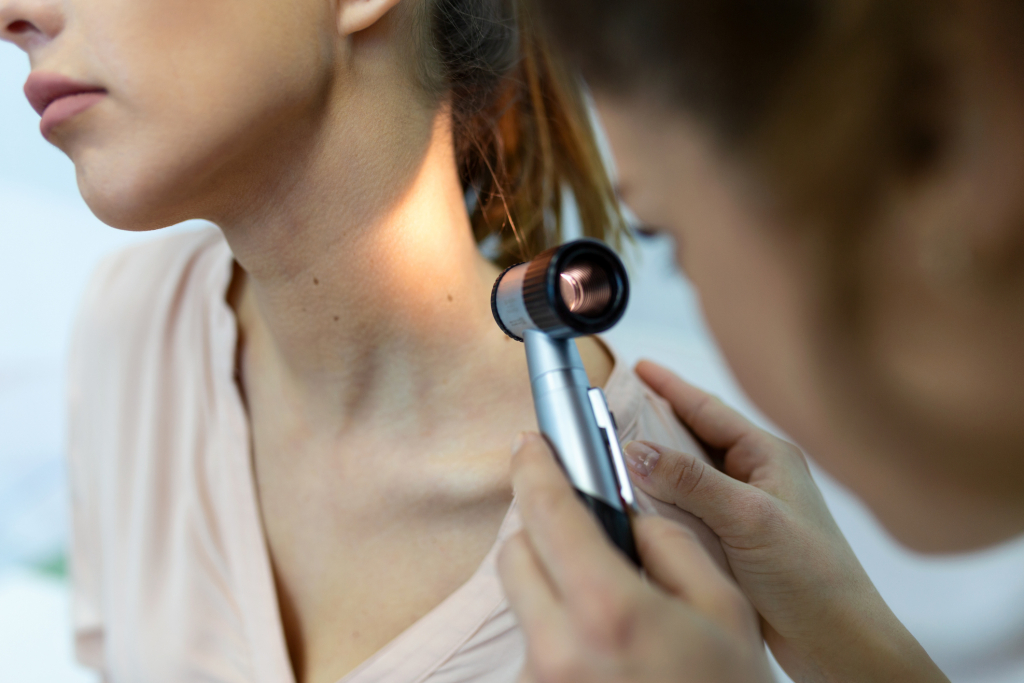
By my thirties, I noticed more and more tiny spots and new moles appearing, and I suspect their number won’t decrease with time. I regularly get screenings and mole checks, and I keep an eye on my skin daily. I’m not one to worry excessively, but when it comes to this, I don’t take chances – if we can do something for ourselves, let’s do it!
Melanoma Is No Longer Rare
The International Agency for Research on Cancer (IARC) reported that in 2022, over 330,000 new melanoma cases were diagnosed worldwide, with nearly 60,000 lives lost to the disease. The scariest part? UV radiation (mainly sunlight) caused 83% of these cases. This is especially concerning in regions with fair-skinned populations, like Northern Europe, North America, Australia, and New Zealand – where over 95% of melanoma cases are linked to sun exposure.
Sun Safety Isn’t Just for the Beach
Many still think only vacation sunbathing is risky, but we’re exposed to UV rays daily: while walking, driving, or even sitting on a café terrace. Clouds don’t offer protection either – UV rays pass right through.
Interestingly, melanoma is somewhat more common in men: in 2022, 57% of UV-related cases affected them. Research shows older men are especially at risk, partly because they’re less likely to use sunscreen or visit a dermatologist, often downplaying the threat. That’s why it’s crucial not just for us women to stay vigilant but also to remind loved ones and watch out for children!
Prevention Can Be Simple – Yet Many Miss It
The saddest part is that most melanoma cases are preventable. In Australia, where intensive prevention campaigns like the famous SunSmart program have run for decades, statistics show over 1,000 lives saved and more than 100,000 skin cancer cases prevented in 15 years.
You can boost your protection with everyday habits like:
- using sunscreen daily (even if you’re just in the city),
- wearing hats and sunglasses,
- seeking shade during peak sun hours,
- getting regular skin check-ups,
- monitoring moles and spots closely—especially if they change.

A Tan Isn’t Youth—it’s a Warning Sign
New forecasts predict that by 2040, over half a million new melanoma cases will be diagnosed annually worldwide, with nearly 100,000 deaths expected. That’s a staggering rise—and a powerful reminder that many of these cases could be avoided with a little care.
Sunlight is part of our life and health, and avoiding it completely isn’t the goal. But it’s important to know your largest organ, your skin, remembers every sunburn and every hour without protection. A tan can look great, but health looks even better!