Body image disorder is a complex and often hard-to-detect problem, understanding which is essential to provide timely and appropriate help to ourselves or others. This intricate psychological disorder is not only composed of well-known symptoms but often hides invisibly beneath the surface in the deeper layers of the soul. Although many associate it with eating disorders and anxiety, in reality, there are many more signs that may indicate body image disorder.
You Feel Like the Mirror Is Your Enemy
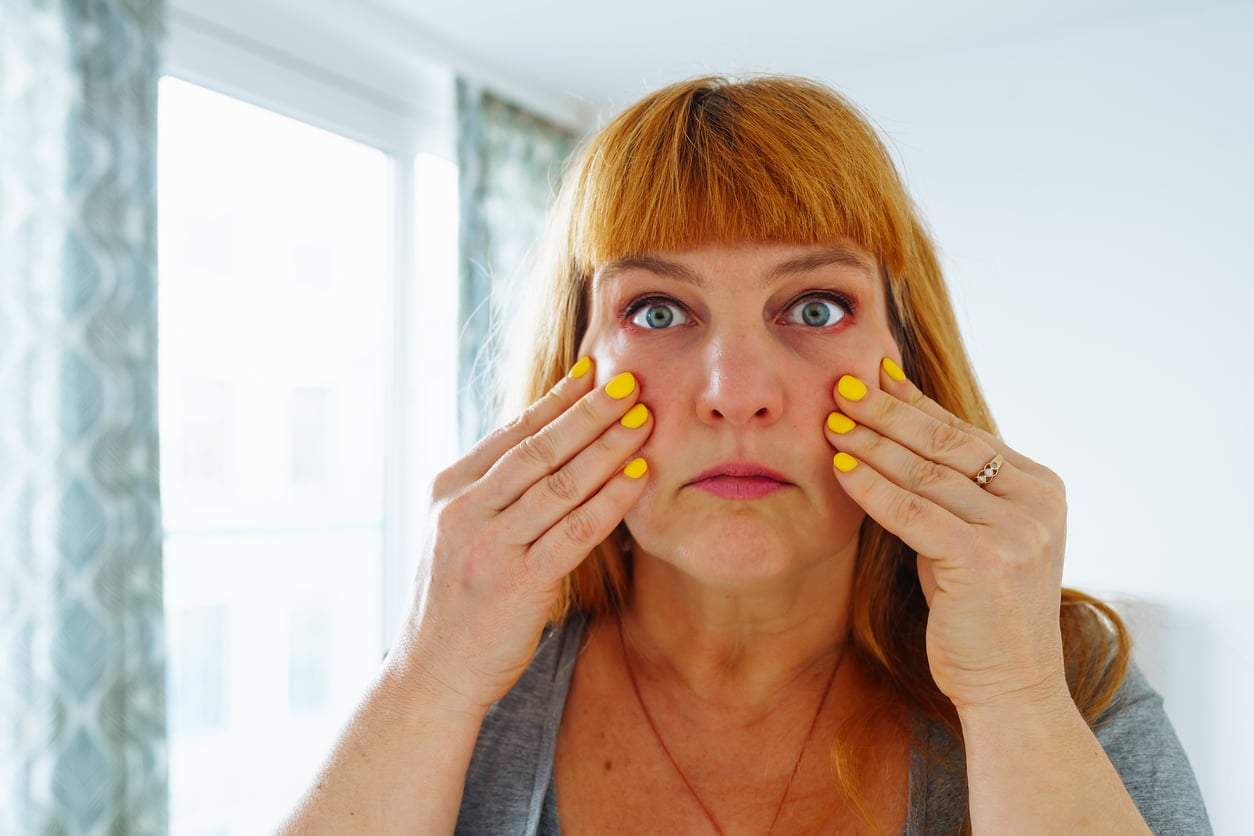
For those struggling with body image disorder, the mirror is often not a tool for self-acceptance and self-love but a source of criticism. Affected individuals constantly search for real or perceived physical flaws and magnify them, thereby undermining their self-confidence. This critical self-observation often extends to the smallest details and creates anxiety that significantly complicates daily life.
The obsession with body criticism is not limited to analyzing physical features alone. It often manifests emotionally as well, since the person's internal conflicts and self-esteem issues only worsen when reflected in the outside world. This heightened attention to the smallest deviations, which may seem insignificant to others, can greatly influence the lives of those affected.
You Constantly Criticize Your Appearance
Emotional fluctuations in those suffering from body image disorder often reach extreme levels and can often be compared to an emotional rollercoaster. Self-esteem can change from minute to minute depending on how the person feels about their appearance at that moment. This continuous fluctuation places an extraordinary mental burden on those affected, which can lead to depression, anxiety, and even more serious mental health issues in the long run.
These fluctuating emotions often concentrate in everyday situations such as trying on clothes, wearing swimwear, or even taking a simple photograph. The shame or self-hatred experienced in such situations further strengthens the negative body image, which can be part of a vicious cycle.

You Crave to Please Others - In Fact, Everyone!
In the current digital age, social media platforms play a significant role in how we perceive ourselves and others. The intensification of body image disorder symptoms is often closely linked to the ideals and constant expectations experienced here. Online spaces represent the platform where those struggling with body image disorder come under increased pressure, as the often artificial desire for perfection displayed here can worsen self-esteem issues even more.
The compulsion to meet societal expectations often drives sufferers to continuously set new and unattainable goals for themselves. The portrayal of celebrities and models as role models continues to define the concept of the 'perfect' body image, which often creates an unrealistically distorted self-image for those prone to body image disorder.
What to Do If You Suspect Body Image Disorder?
If you notice the signs discussed above in yourself or others, it is important to recognize that asking for help is not shameful but an essential step on the path to improvement. Support from a psychologist or a therapist specialized in body image can greatly contribute to effective management of the problem.
It is important to emphasize that body image disorder is not just about weight or appearance. Issues of self-esteem, self-confidence, and overall mental health must also be taken into account. A supportive environment is also crucial, so the sensitive and supportive presence of family members and friends is equally indispensable.