Picture this: a tempting, steaming slice of pizza slips from your hand and lands on the floor. The immediate question pops up—will it end up in the trash instead of your mouth? The 5-second rule, which suggests that food dropped on the floor is still safe to eat if picked up quickly, has been around forever—and debated just as long. In fact, quite a few scientific studies have looked into how much truth there is behind these spontaneous 'time limits'.
Where Does the 5-Second Rule Come From?
Many say the rule’s origin is hazy—more of an urban legend. It’s long been believed that if you pick up dropped food fast enough, you can dodge bacteria. Some even trace it back to the Mongol warlord Genghis Khan, who supposedly said anything picked up quickly from the ground was still edible. Whether that’s true or not, the 5-second rule is now a globally recognized idea.
From a Scientific Viewpoint: Risk or Safety?
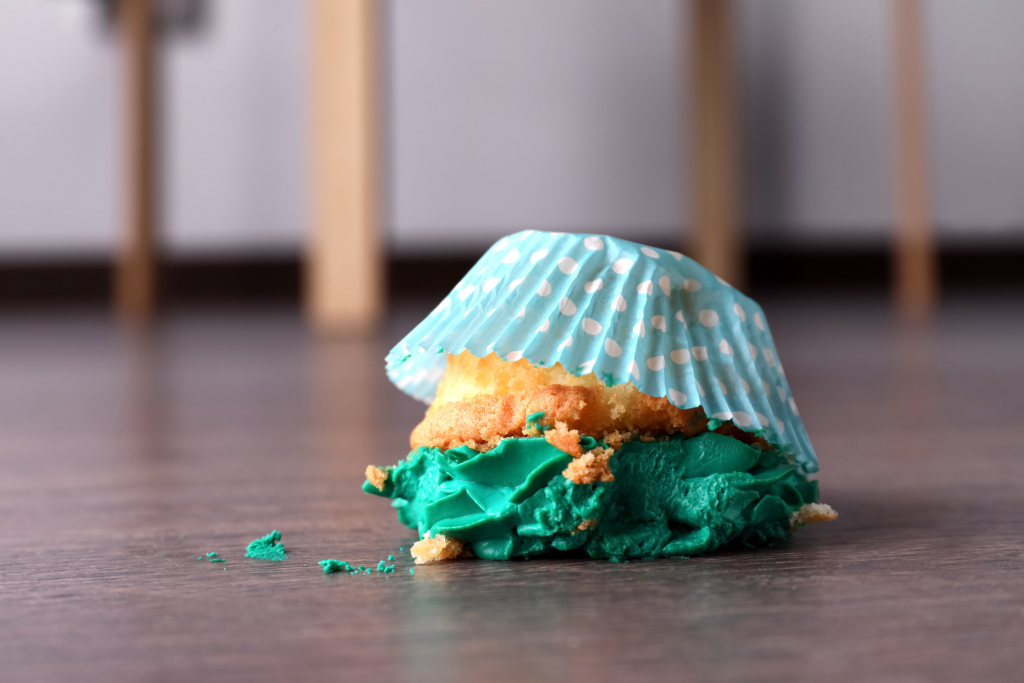
Many studies have tested the 5-second rule, and they consistently show bacteria don’t wait politely—they attack immediately. A study at Clemson University found that salmonella can transfer to food in just seconds. Still, that 5-second window gives people a comforting sense of control, making them feel less uneasy about their choice.
Floor type matters too—a smooth surface usually has fewer bacteria. Moisture and the kind of dirt also play a big role. Wet or oily foods, like those with sauces, are much more likely to pick up bacteria.
While many swear by the 5-second rule, it’s more of a cultural belief than a scientific fact. Some say these rules help us avoid wasting food by easing our worries. Right now, science hasn’t reached a consensus on whether the rule truly offers protection or if it’s just a comforting habit.
Despite this, the rule is everywhere—movies, books, and everyday talk keep it alive. But what if we looked at it differently? Wouldn’t it be smarter to focus on hygiene and food prep instead?
Practical Tips
Even if the rule’s science is shaky, improving cleanliness is always a win. Regularly cleaning your kitchen, especially the floors, cuts down bacteria. Boosting your immune system also helps your body fight off infections.
Remember, the best choice for your health is keeping your food clean. While the 5-second rule taps into our adventurous side, it’s wise to stay cautious and avoid risky situations whenever you can.