How Vulnerable Are You?
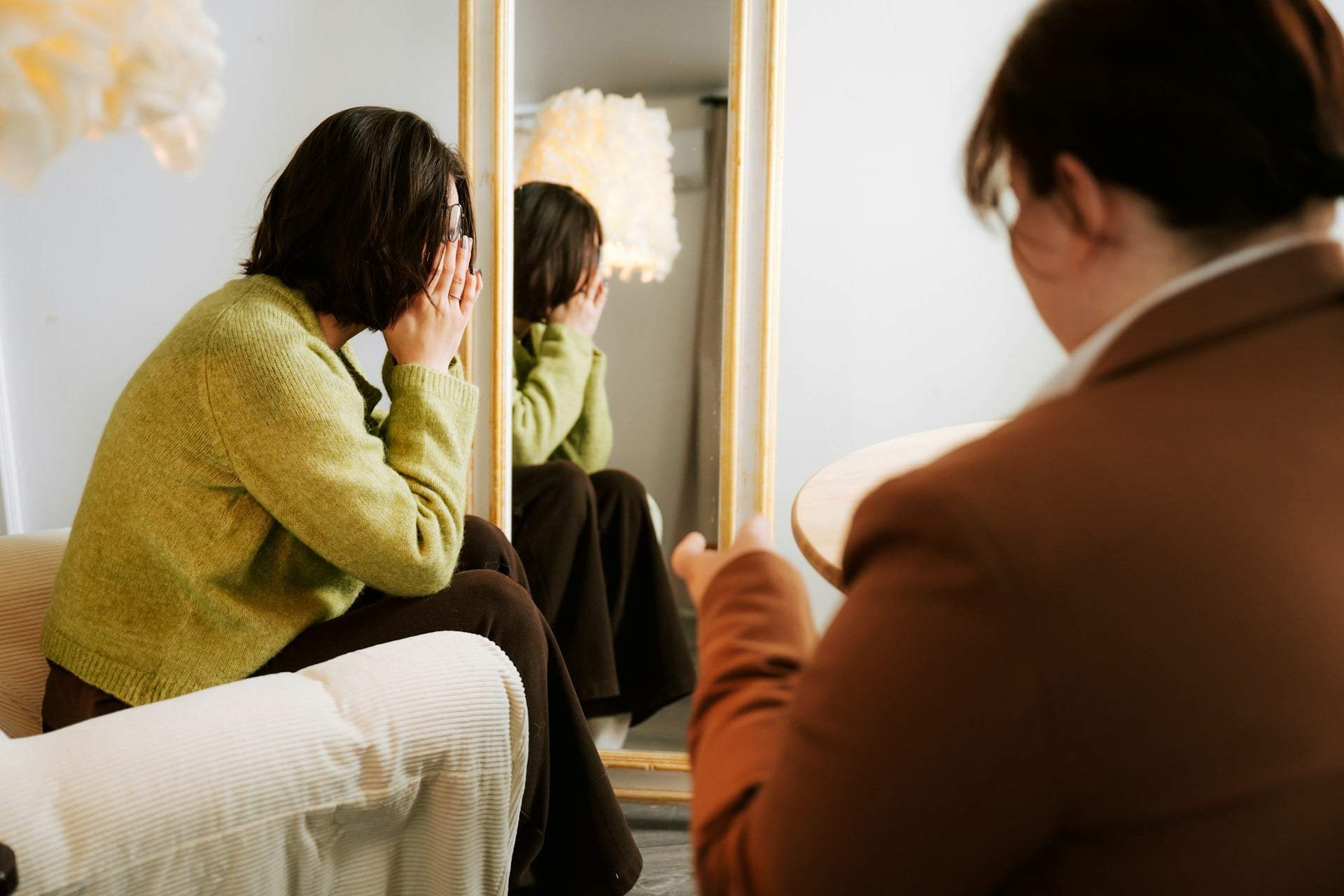
Surely you’ve been caught off guard by an old acquaintance when you weren’t feeling your best, maybe bumped into them somewhere, and forced a smile and some small talk. You basically acted like everything was perfect, showing no vulnerability. People usually see this in two ways.
Some believe it’s pointless to unload all their troubles on someone they rarely see, especially if it’s just for a few minutes before waiting another two years for a possible meeting. Others believe in showing vulnerability—daring to be open in every moment, even if it feels uncomfortable at first.
Neither choice is right or wrong, and both have valid points. But maybe there’s a middle ground here. Even if you don’t dive deep, a short conversation can reveal your true self and current struggles.
This not only lightens your spirit but also opens the door for the other person to share—and who knows, you might find you’re facing similar challenges. What definitely leads nowhere, especially in terms of growth, is the constant forced smile.
The Forced Smile and What Lies Behind It
When I talk with someone, I like to truly focus on them and show I’m open. I let them open up as much as they want. I tend to avoid conversations that don’t feel genuine, especially if I know their background and sense they’re overwhelmed. This is exhausting for both of us and only worsens their emotional state.
Many judge people just because they dare to be sad, sometimes grumpy, or withdrawn. Meanwhile, these folks simply aren’t afraid to show their feelings. Of course, this works well only if they don’t hurt others. But before forming a negative opinion about those who always smile, it’s better to understand them first. That way, we can communicate more easily and maybe even coax out a genuine moment.
Because their biggest struggle probably comes from not being able to admit they’re vulnerable and human too.

Rooted in a Lack of Self-Confidence
We carry a strong need to please others that’s hard to break free from. The smile becomes a mask we keep on to protect the image others have of us. Even if it’s just a stranger’s opinion.
Underneath this need to conform lies low self-confidence, convincing the person that showing vulnerability means being less loved than if they appeared happy and cheerful. After all, people enjoy being around happy company.
It’s a vicious cycle because deep down, this happy state is never truly honest, and eventually, no one can relate to someone who never has a bad moment. It’s simply unrealistic and inhuman. Above all, these people don’t need rejection or harsh remarks—they need acceptance and empathy. When they feel safe to drop the mask, they can more easily let go and even reveal their vulnerable side.