
Human psychology has always been intriguing, especially when it comes to attraction and social influences. But what’s behind this phenomenon, and how does it shape our daily lives?
The "cheerleader effect," named after an episode of the popular series How I Met Your Mother, is a psychological phenomenon where people generally appear more attractive in groups than when standing alone. This effect stems from several reasons, one being the theory of visual averaging. Essentially, when we look at a group, our brain tends to average out individual facial features, creating a more balanced and appealing image.
The Psychology Behind the Group Effect
Besides visual averaging, other psychological factors play a role in the "cheerleader effect." One key factor is social validation, meaning being part of a group naturally boosts confidence.
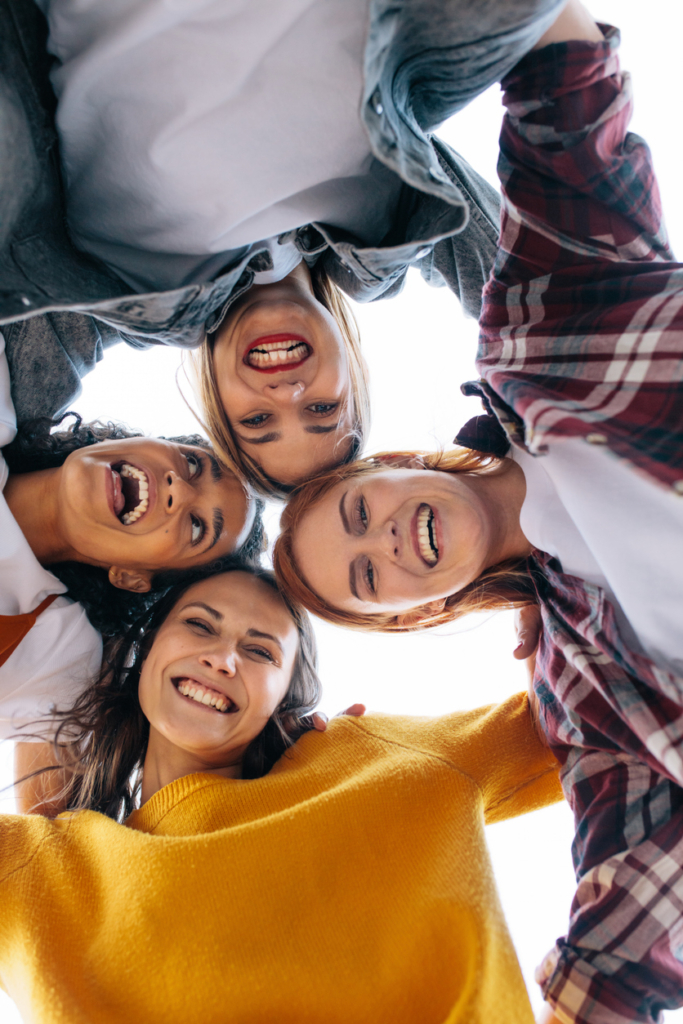
People tend to find others more attractive when they believe those people are valued or interesting to others.
Another important factor is context—how people are judged often depends on their environment. Being part of a group, especially when other members are attractive, can positively influence how an individual is perceived. This is common in university or workplace settings, where social connections matter a lot.
How Does This Phenomenon Affect Self-Esteem?
The "cheerleader effect" doesn’t just influence how others see us—it also shapes how we see ourselves. When we become part of a group, especially a close and supportive one, we tend to feel better and gain higher self-esteem. This social support helps build and maintain a positive self-image.
Practical Tips: How to Make the Most of the "Cheerleader Effect"
To tap into the benefits of the "cheerleader effect" in your daily life, join communities that support your growth and where you can build genuine connections. Whether it’s a business network, a hobby group, or a volunteer team, surround yourself with people who accept and inspire you.
Also, if your appearance and social events matter to you, make sure your company shares your values and radiates positive energy. This not only improves how others see you but also enriches your social experience.

Limits and Critiques of the "Cheerleader Effect"
It’s important to remember that while the "cheerleader effect" is often valid, we shouldn’t base our self-esteem and social standing solely on it.
Maintaining and developing an independent self-image is key, as any group influence is temporary if we aren’t satisfied with ourselves.
Additionally, factors that increase group-level attractiveness—like visual averaging and social validation—don’t always guarantee an objective assessment. That’s why it’s vital to seek deeper, meaningful connections.
Overall, the "cheerleader effect" offers a fascinating glimpse into how our brains and social behavior work. While it often casts individuals in a positive light, always remember that developing your own values and relationships is what truly matters. External influences last only as long as your inner confidence and beliefs support them.