Health tech has exploded in recent years. AI-powered apps aren’t just futuristic gadgets anymore—they offer real, hands-on support for feeling better, living healthier, and staying ahead of health issues. These apps are popular worldwide and gaining traction right here at home.
1. Personalized Nutrition Guidance – ZOE
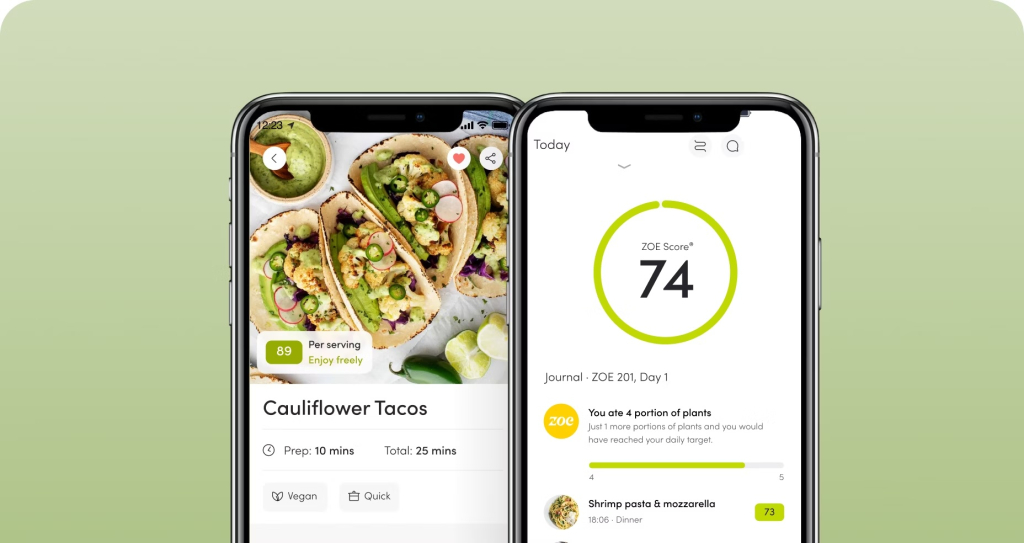
Backed by scientists and doctors, including renowned Professor Tim Spector, the ZOE app goes beyond counting calories. It uses microbiome tests to tailor advice on which foods truly benefit your body. By tracking your blood sugar and fat responses, it scores foods to make healthy choices easier and clearer.
2. Daily Mental Wellness – Wysa
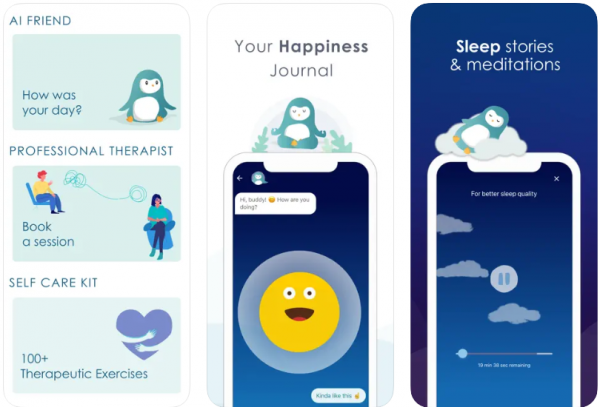
Wysa is an AI-powered mental health app trusted by over 5 million users. It listens to your mood and journal entries, then suggests stress relief, anxiety reduction, and distraction exercises. While it’s no replacement for a therapist, Wysa’s support helps you get through tough days with a little extra care.
3. Sleep Improvement Analysis – Sleep Cycle
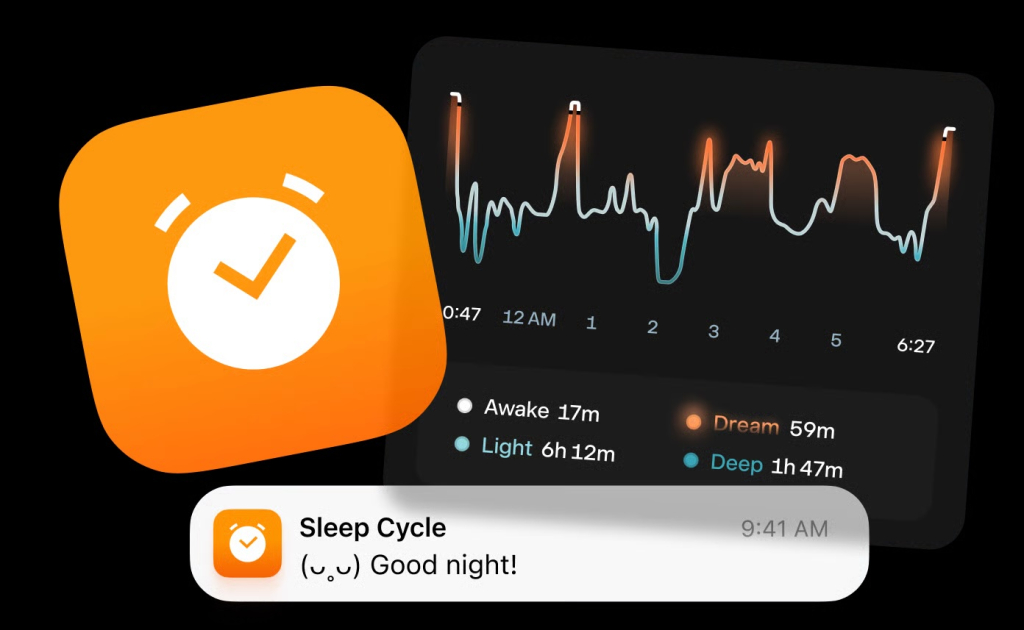
Sleep Cycle doesn’t just wake you up; it tracks your sleep cycles and gently rouses you when you’re in the lightest sleep phase. It monitors snoring and noises, then shows you a clear morning graph of your night. Its AI-driven insights offer personalized tips to help you sleep more deeply and wake up refreshed.
4. Optimized Workouts & Movement – Whoop / Oura
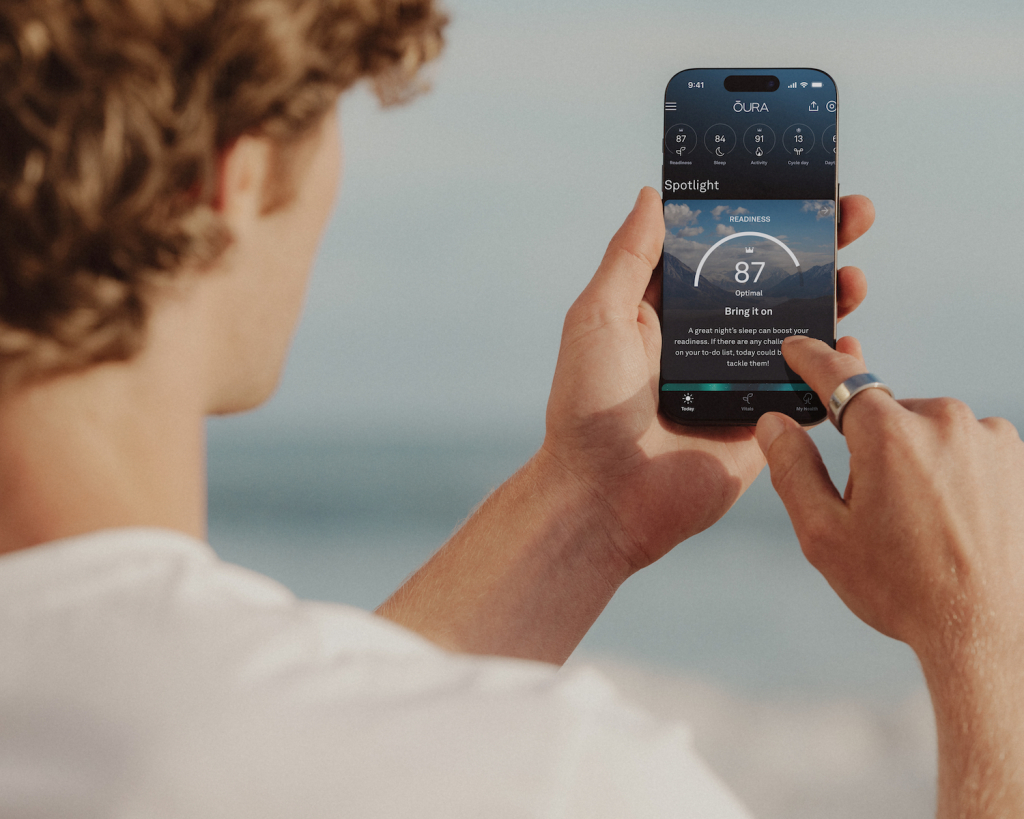
Whoop and Oura aren’t just apps—they’re wearable devices with their own apps. They track your workouts, recovery, sleep quality, and stress levels to help you plan when and how much to move. Their AI analyzes heart rate, HRV, sleep duration, and even your caffeine intake to keep you in tune with your body.
5. Proactive Health Risk Prediction – Healthily
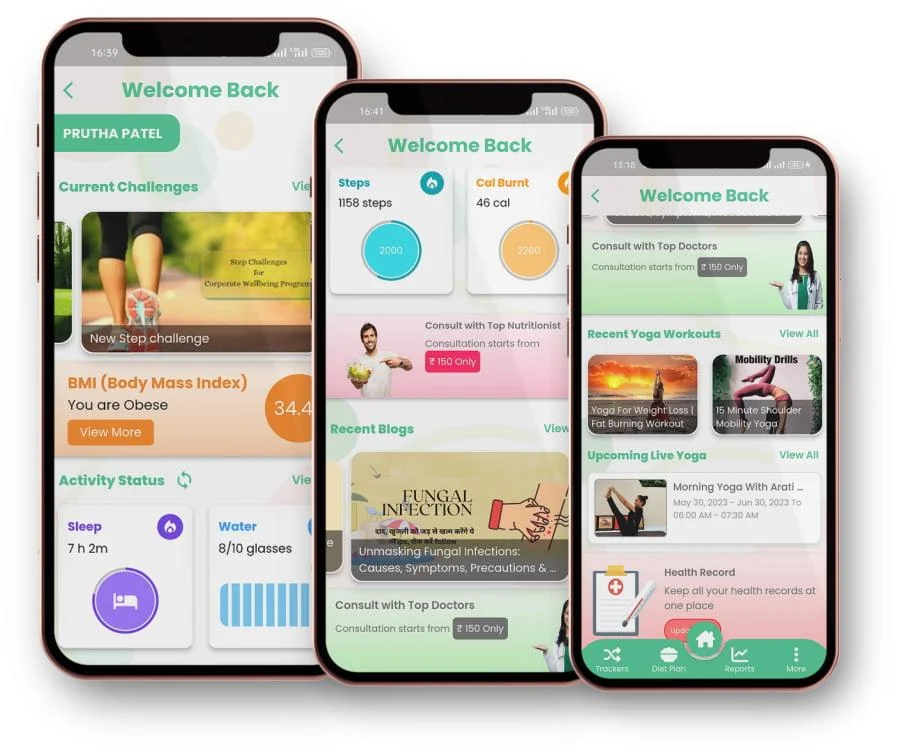
Healthily started as a symptom checker but now uses AI to predict health risks based on your feelings, complaints, and doctor’s notes. Its “Smart Symptom Checker” is powered by medical databases and offers personalized recommendations to keep you informed and proactive.
6. Digital Health Assistant – Ada
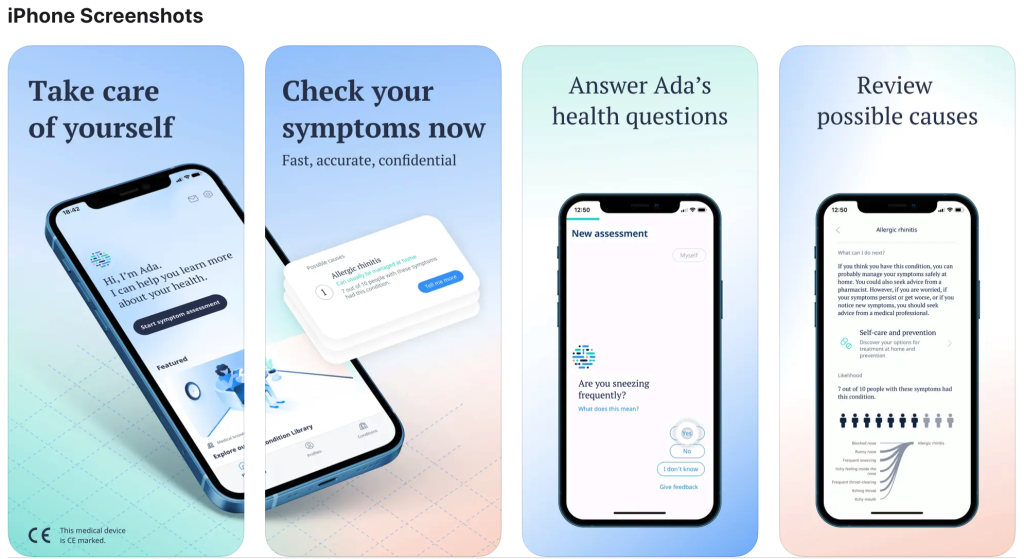
Ada is a virtual assistant with a medical knowledge base. You share your symptoms, and it guides you through questions to generate a list of possible causes. While it doesn’t diagnose, Ada helps you decide if it’s time to see a doctor.
7. Chronic Condition Monitoring – MySugr
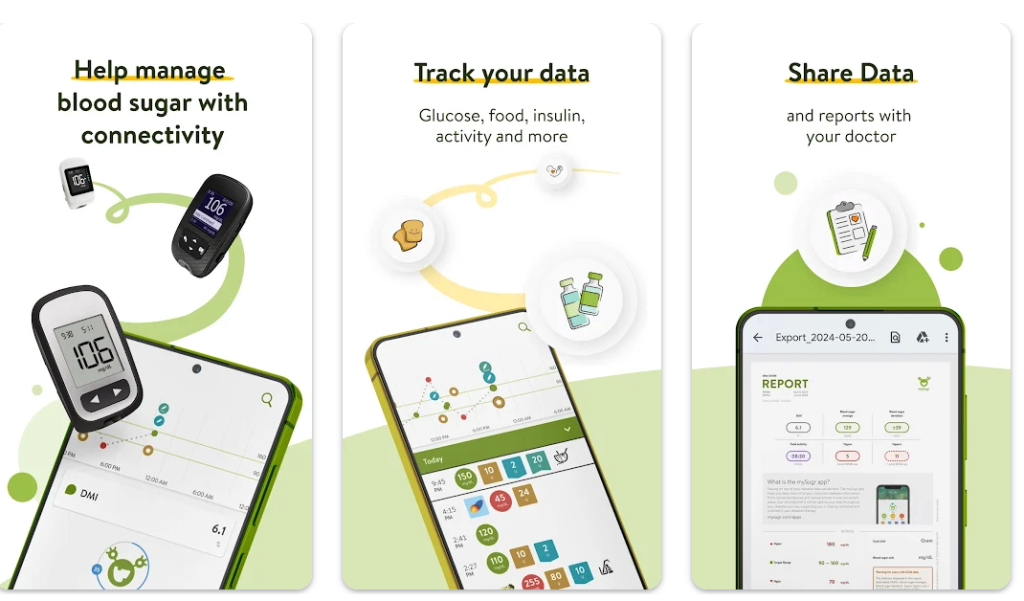
MySugr is designed mainly for people with diabetes but is expanding to other chronic conditions. It logs your blood sugar, insulin doses, meals, and activity, then uses AI to interpret the data and provide feedback. Doctors can easily review reports, enabling more precise care.