Lately, I’ve been reflecting a lot on where the world is headed and whether we can keep up with this mind-blowingly fast tech evolution.
When we were kids, it was normal to spend a whole week at camp by Lake Balaton, and the next time we heard from our parents was when we collapsed home, exhausted, on Sunday night. Honestly, we never even thought about calling them — and they didn’t either.
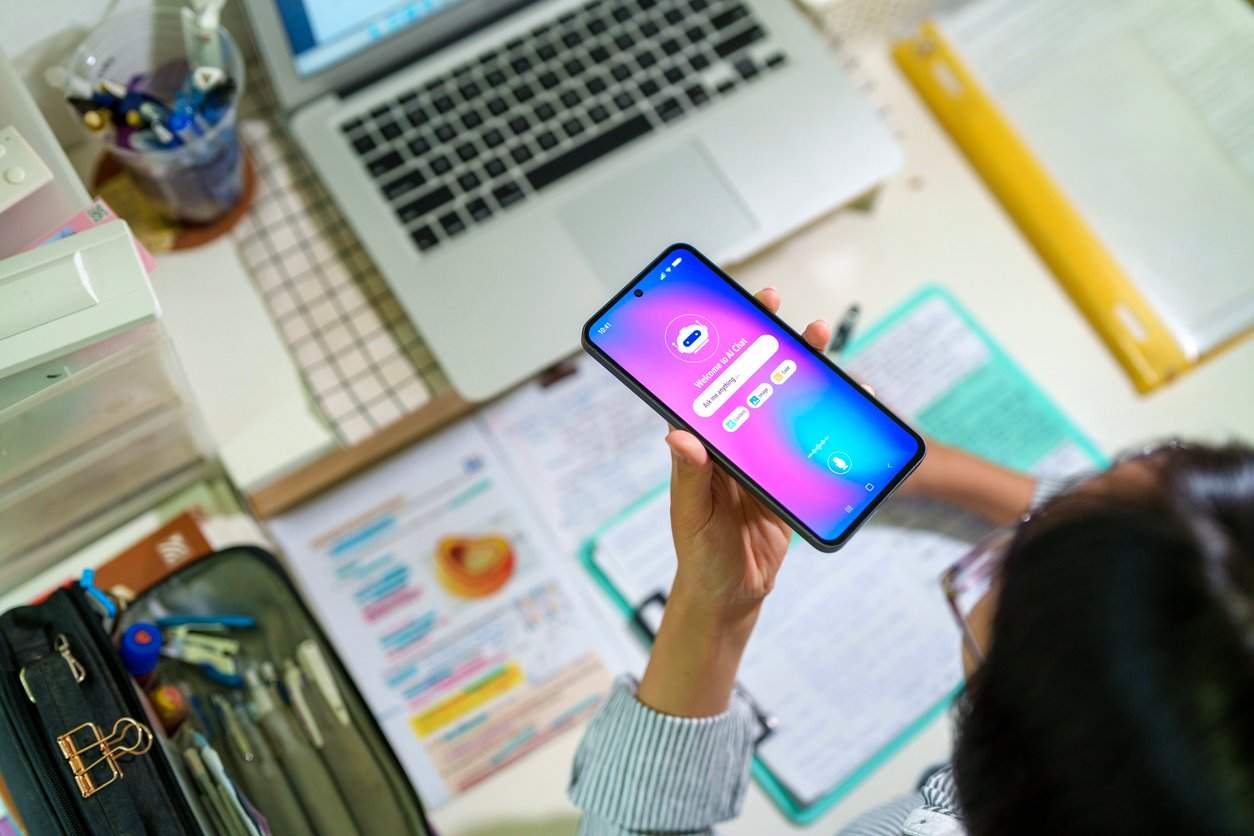
Now, with just two clicks, AI can tell us what to cook with what’s in the fridge, write polite emails for us, and even solve the kids’ math homework. But is this really good for us?
I’m not afraid of artificial intelligence. I see it as a tool full of possibilities. It can make life easier and help us organize the chaos. But it also makes me wonder how much we’ll “lazy out” in body, mind, and spirit if we outsource more and more routine tasks… Will this push society forward and give us more time and energy for ourselves, or will the opposite happen?
When the Machine Thinks for Us
A recent study from the Massachusetts Institute of Technology explored exactly this. Researchers wanted to see what happens when we regularly use AI while writing, learning, or making decisions. In the study Your Brain on ChatGPT, 54 college students were split into three groups: some worked only from their own knowledge, some could use a search engine, and one group used AI.
The task was the same for everyone: write essays.
Researchers monitored the students with EEG, and what they found was telling. Those who wrote with AI showed noticeably less brain activity—especially in areas linked to memory, attention, and decision-making. In fact, the more tasks students handed over to AI, the less mentally present they were in their work. Later, many even struggled to recall the content of their own essays.
Unsurprisingly, AI-written texts were less original. They became more uniform compared to essays the students wrote independently. After finishing, participants had mixed feelings: some proudly submitted their work, while others felt they couldn’t truly be proud. This “author identity crisis” could hurt self-confidence and the joy of creating over time—the feeling that we’ve genuinely made something.

What We Pay for Mentally, Not Financially
Researchers call this phenomenon “cognitive debt.” It means that if we let someone else—like an algorithm—do the thinking for us too often, we gradually “unlearn” how to do it ourselves. Creativity drops, critical thinking dulls, because our brains get less stimulation and the neural pathways we’ve built start to weaken. It’s like a muscle that wastes away when you don’t use it enough.
At the same time, researchers understand that technology’s progress can’t and shouldn’t be stopped. Instead, we need to learn how to work with it consciously. Use AI for brainstorming and quick drafts, but do the real work yourself—interpretation, rewriting, shaping. This way, we can still train our brains, speed up some processes, and create more original content.
Every Tool Is Only as Good as the Awareness We Bring to It
If we always rely on AI to do the thinking, our own thinking will quietly flatten out over time. It’s not that we’ll become completely dumb, but we’ll definitely exercise our greatest asset—our brain—less.
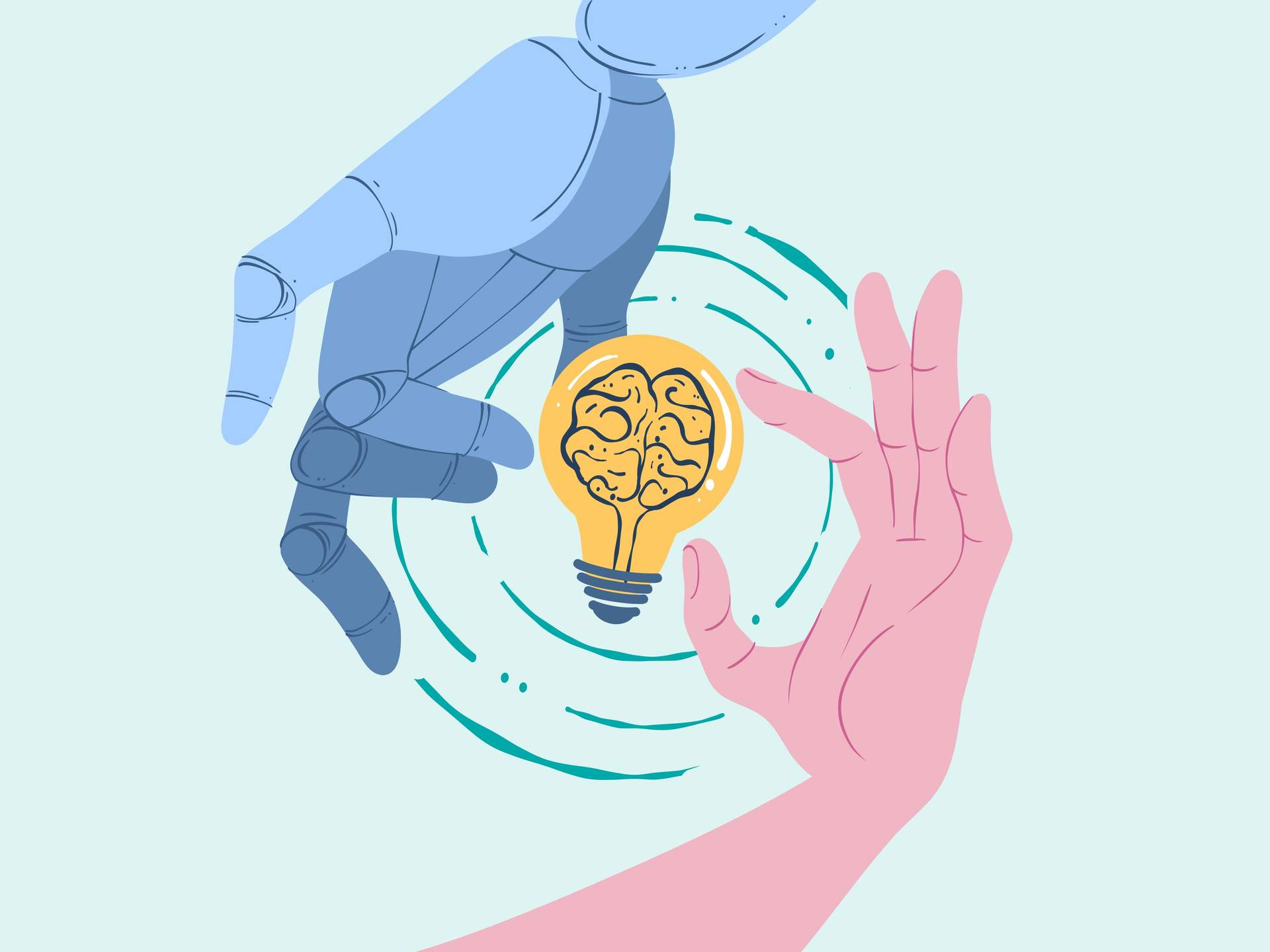
It’s tempting to let AI handle more and more for us, but we must remember that sometimes the tough, thought-provoking tasks are exactly what push us forward—they teach us the most about ourselves and grow our inner world. So maybe the real question isn’t whether AI makes us smarter or dumber, but whether we can find a way for it to work with us, not for us, opening new horizons.