We have a strange, rarely spoken generational advantage. It’s not flashy, it won’t make TikTok trends, but it’s very real. We are the ones – roughly the Generation Y – who still remember the analog world but jumped into digital early enough to not just use technology, but truly understand it. And now, on the brink of the AI era, that understanding suddenly matters more than ever.
We were there when computers weren’t a given. When you actually had to dial a phone. When watching a movie meant going to the video store. And we were the ones explaining to older generations what email is, where documents go when you save them, and why unplugging a USB “just like that” isn’t a great idea.
Now, a few decades later, we find ourselves in the same role – but this time explaining things to the younger crowd. We show new workers how Windows works, where the file manager is, what the desktop means, and why it matters where you save something. “Digital natives” are often really just app natives: lightning-fast and intuitive, but only as long as everything is neat, polished, and wrapped behind icons.

We’re Still Critical of Technology
The difference isn’t about skill. It’s that we learned technology isn’t magic. It’s a system — with bugs, logic, and consequences.
And that knowledge is why we’re less likely to buy into AI hype.
I often see younger friends treating artificial intelligence like an oracle. They ask it anything — legal, health, professional, moral questions — and take its answers as gospel. Even when the claims clearly don’t add up. When there’s a logical fallacy. When it cites well-known false facts. When a quick search would easily disprove it.
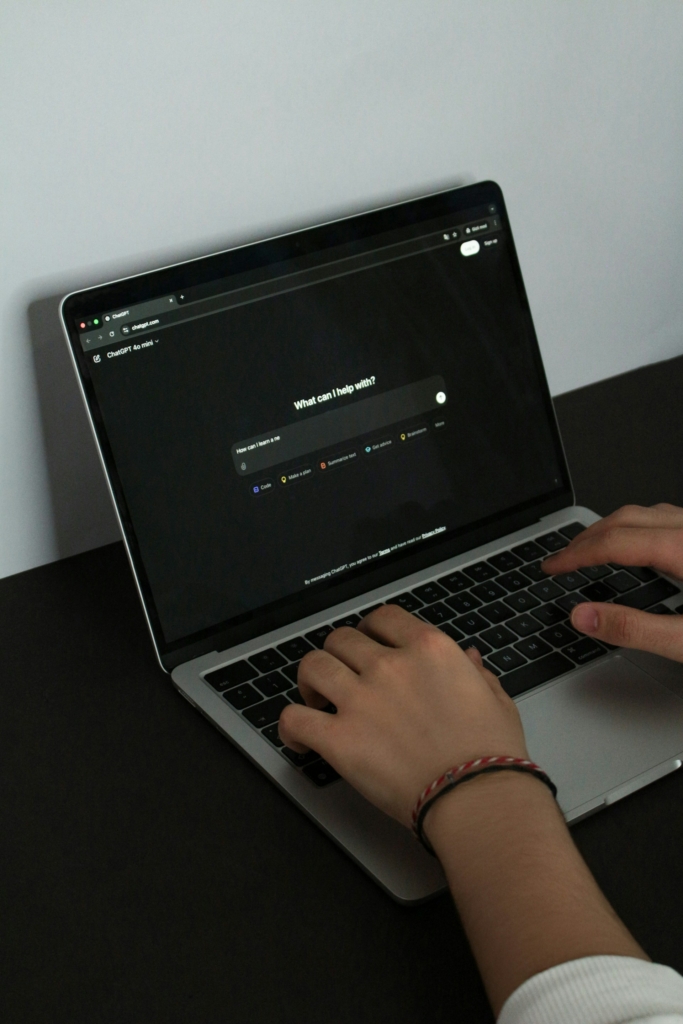
We just sit and scratch our heads. Because we can feel something’s off. Not because we’re smarter, but because we’re used to technology often being wrong. Machines don’t know everything. Just because something is confidently stated doesn’t mean it’s true.
We lived in a world where access wasn’t a click away but earned through critical thinking.
Ironically, that makes us the generation that still senses what’s really going on. We don’t fear AI, but we don’t worship it either. We use it but ask questions. We fact-check not out of distrust, but because we understand how it works.
And again, we’re sitting in a spot where it’s a bit scary to watch others: older folks who fear it reflexively, younger ones who believe it reflexively. We stand in the middle, trying to explain: this is a tool. Powerful and useful — but it doesn’t think for us.
This might not last forever. Maybe in a few years, this advantage will fade too. But for now, it’s here. And maybe it’s our responsibility. Because if there’s a generation that can both understand technology and question it, it’s us. And it’s up to us whether to pass on this skill or let it disappear with us.