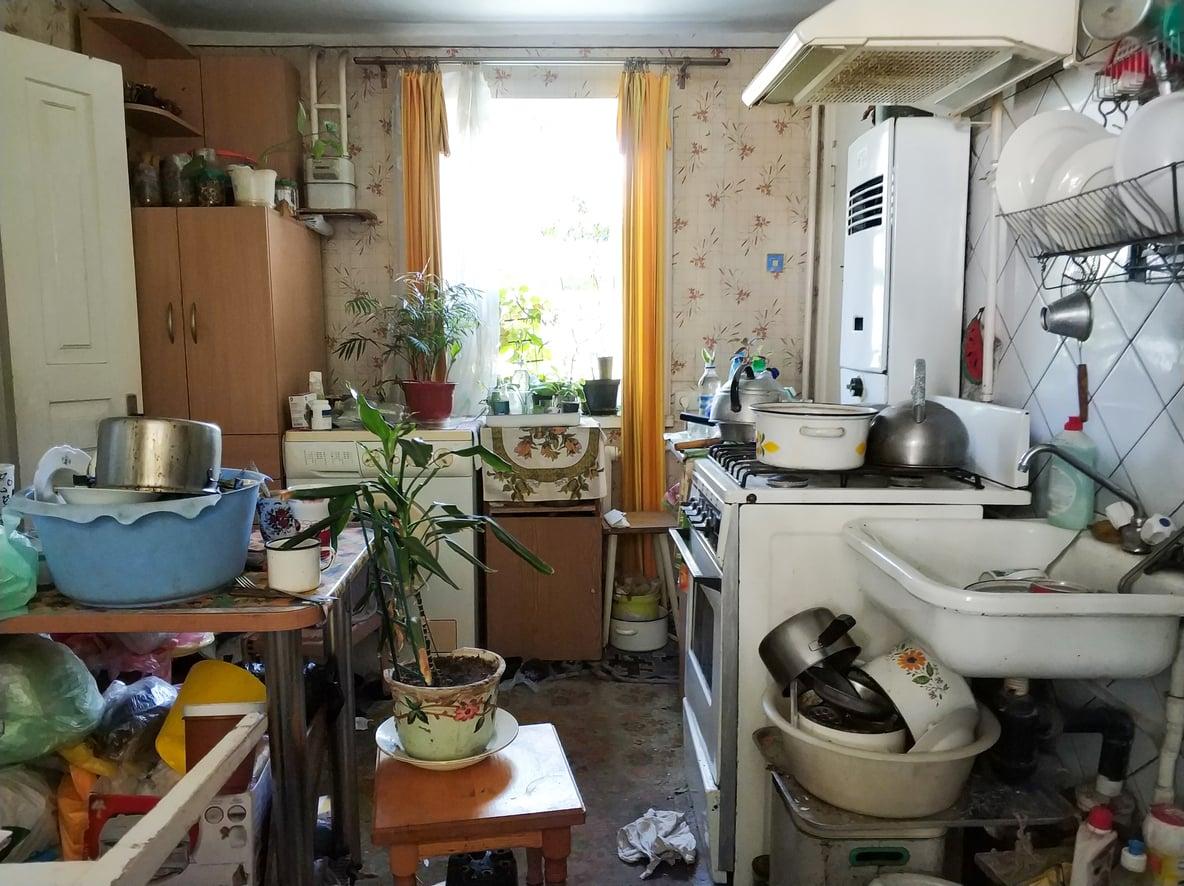
Hoarding isn’t just interesting because it affects many people—it also shines a light on deeper emotional processes at play. It can seriously impact daily life quality and even family relationships. What might seem like a harmless habit often creates a gap where feelings and reason struggle to find balance.
Seeking Emotional Safety
Many who hoard do so out of a deep need for emotional security. They often collect items that once brought joy, comfort, or remind them of better times. This is especially common among those who have faced trauma or come from unstable family backgrounds.
Behind the collection of things is often the feeling that holding onto these items helps control a chapter of life or preserve cherished memories. This emotional safety need can outweigh the desire for order, turning hoarding into a kind of lifeline.
Avoidance Behavior
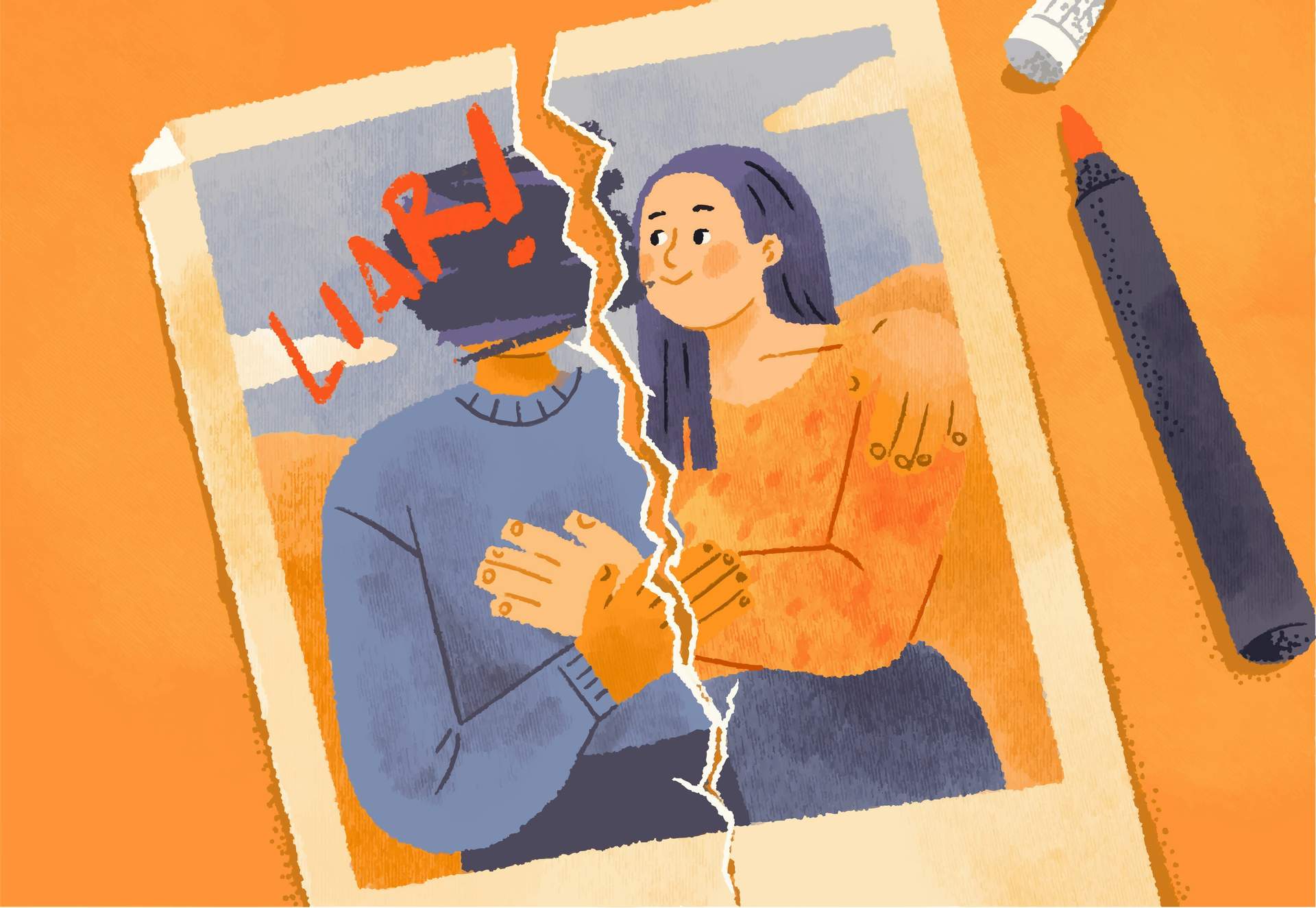
Hoarding often shows up as a way to avoid difficult emotions. It usually starts with people who struggle to close chapters or let go of emotional ties. Collecting things becomes a safe haven.
This behavior offers an escape from real problems—while the old stuff stays, so do the memories and feelings tied to them. Though it can bring short-term comfort, over time it may cause more stress and strain relationships.

Lack of Control
People who feel they’ve lost control in other parts of life often try to regain it through hoarding. Managing their material world can provide comfort when other areas feel out of reach.
This pattern varies in intensity and form, but the common thread is the attempt to hold power over something. That sense of control can feel healing—even if the living space becomes overwhelmed by stuff.
The Depths of Emotional Attachment
Another key factor behind hoarding is deep emotional attachment to objects. Sometimes people feel more for an item than its material worth, showing just how strong these bonds can be.
This attachment can grow over the years, turning into a self-reinforcing cycle that piles up into overwhelming amounts of stuff. Losing these items can trigger stress that feeds the hoarding urge.
Community Expectations and Social Patterns
Hoarding often connects closely with social norms and expectations. People may feel that the quantity and quality of their belongings reflect their social status or life quality.
In consumer societies, possessions often become a key part of self-worth. So, how much someone owns isn’t just personal—it’s shaped by social pressures.
The Path to Healing and Change
While hoarding can have deep emotional roots, there are many ways to improve the situation. Mindful awareness, working with therapists, or taking small steps toward order can all help.
Change isn’t easy, but starting with small moves can lead to a more balanced life. The key is finding the approach that works best for each person to transform hoarding habits.