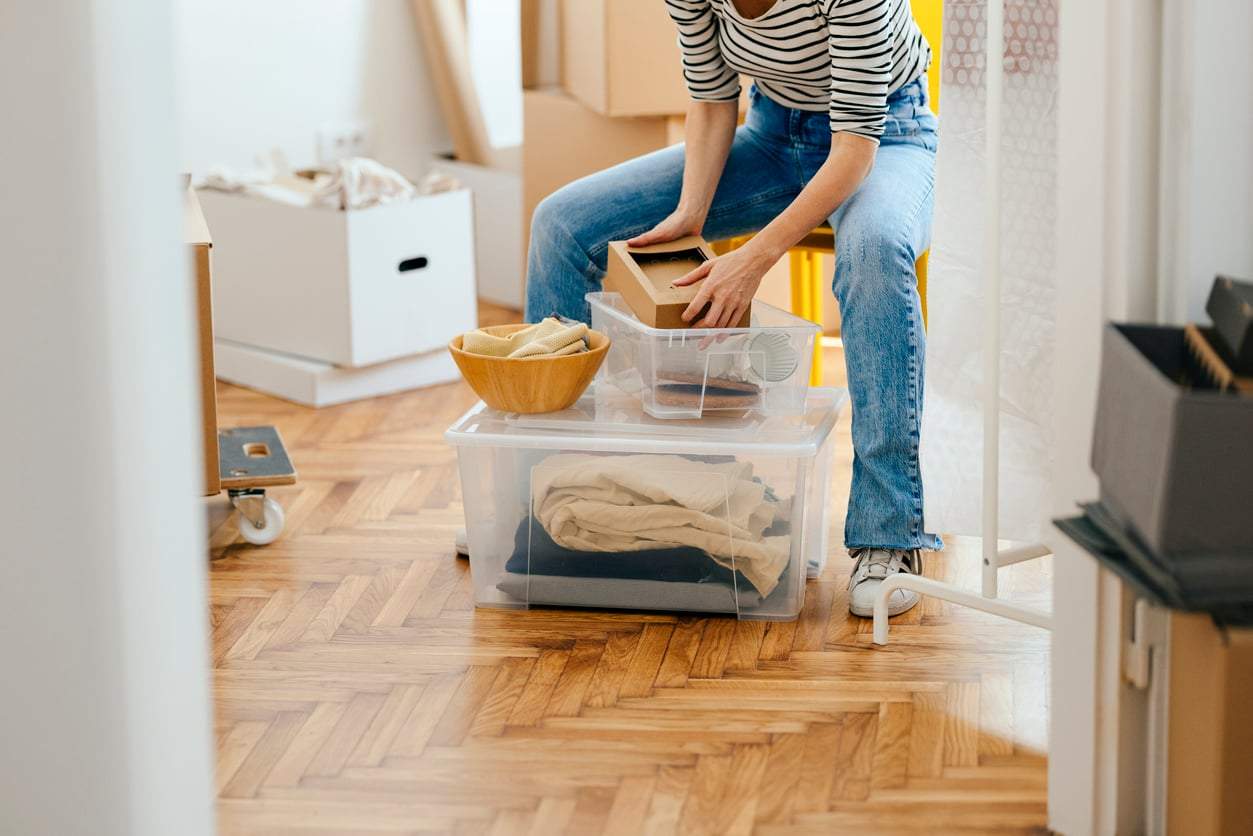
There’s a sentence I would have found strange to say a few years ago:
“Lately, I just don’t invite anyone over.”
Not because I don’t love my friends. Not because there’s no space or nothing to offer. Simply because… I don’t feel like it. My home feels different now. More intimate. More private. More protected. And as I talk with others, I see more and more people feel the same but rarely say it out loud. It’s like a quiet shift in attitude. No loud movement, no banner, yet it’s here: we’re less and less eager to host guests.
Social life hasn’t disappeared; it’s just moved out. We meet in cafes, restaurants, on walks, at events. And home — once the natural spot for friendly gatherings — has become a boundary.
Home as the Last Controlled Space
In recent years, the role of home has changed fundamentally. For many, it’s no longer just a place to rest but also an office, a workspace, a backdrop for online meetings, a gym, and a refuge all at once. When we work, call, and recharge here all day, home becomes more than just a physical space — it’s part of our mental survival. And if this last controlled zone exists in a noisy world, it’s natural to instinctively protect it.
Hosting isn’t just joy; it’s energy. Tidying, organizing, paying attention, being present. The host role. Even when we love people, it’s mental work.
When everyday life already feels overwhelming, it’s easy to want home to be the place where you don’t have to perform. Where you don’t have to meet expectations. Where you don’t have to play a role.
The Discomfort of Visibility
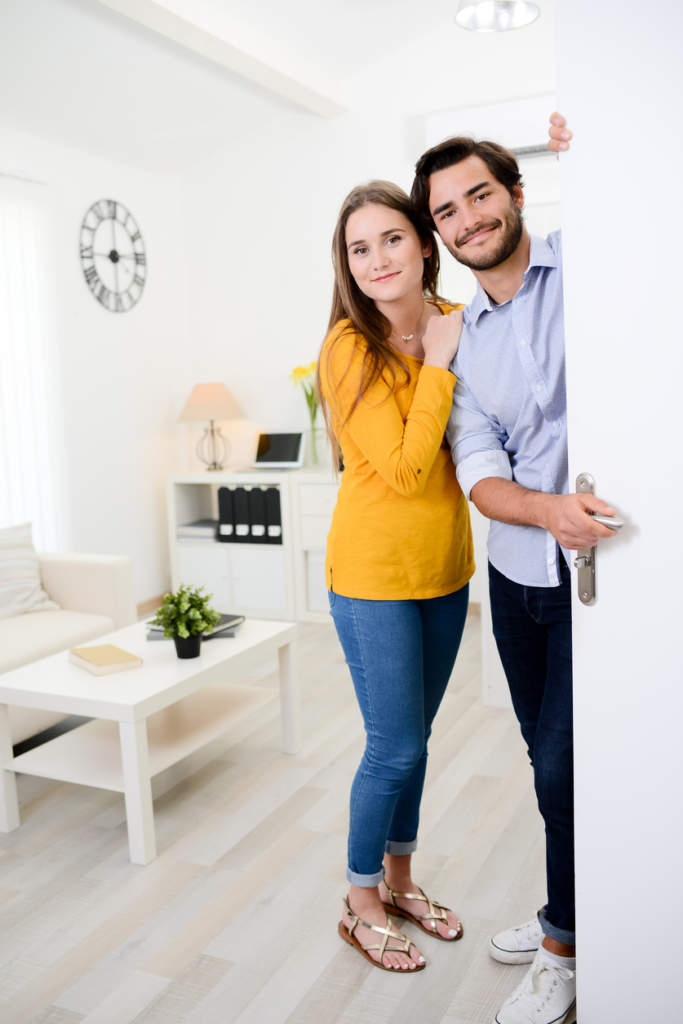
There’s a subtler, less spoken layer here. When we invite someone into our home, we actually reveal much more than we think. Not just the living room or the kitchen, but the structure of our lives. Our relationship with order. Our taste. Small signs of our financial situation. The rhythm of our daily routines. A home’s identity. And in an age where social media shows carefully curated images of ourselves, our home is one of the last unfiltered spaces.
Inviting guests means accepting, "This is me in everyday life". Many don’t avoid inviting others because they’re closed off. It’s because they don’t want to be visible. They don’t want to worry if the home is tidy enough, if the space looks “nice” enough, or if their life seems representative enough. It’s not always conscious shame — often it’s just fatigue from the pressure to meet expectations.
The Need for Connection Remains
It’s important to say the desire to connect hasn’t decreased. Cafes are busy, restaurants are booked, community spaces are alive. It’s not fewer people in our lives, but less home hosting. External spaces feel neutral. There’s no host. No cleaning before or after.
There’s no inner tension about whether everything is perfect. Everyone is a guest at once. It’s a more freeing dynamic.
Home, on the other hand, is increasingly a space for regeneration. A place where you don’t have to react, adapt, or watch others. Where you can be quiet. Where you don’t have to be a perfect host. Just simply be present.
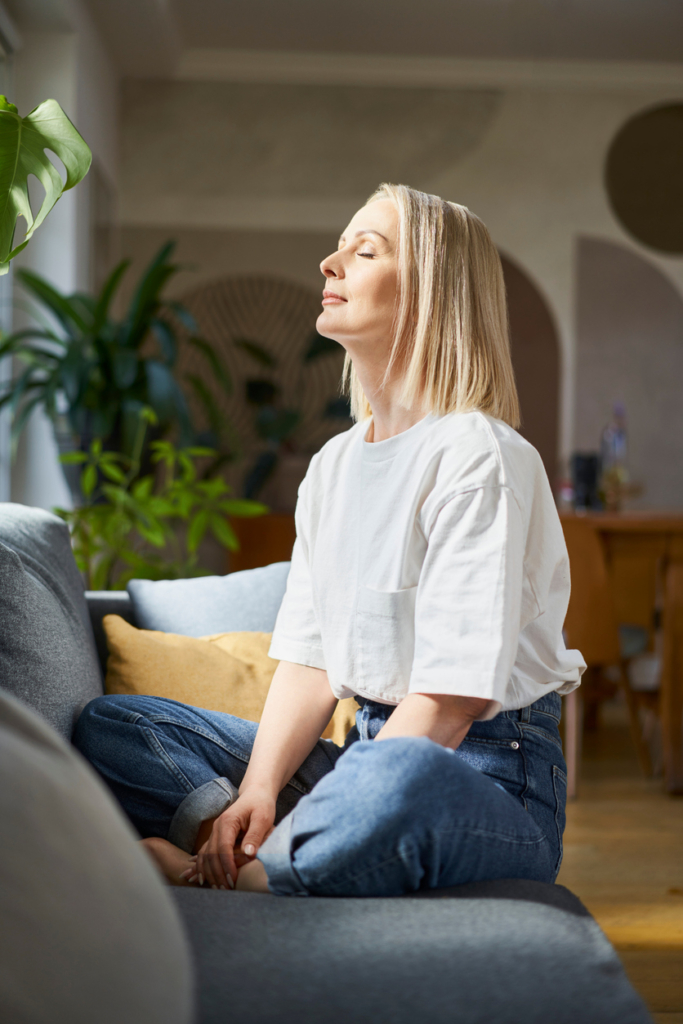
The question arises, is this alienation? Or healthy boundary-setting? The truth is probably somewhere in between. If withdrawal comes from fear, it can narrow us over time. But if it’s a conscious choice to see home as part of our mental safety, it’s not necessarily negative. It’s more a sign we’re taking our energy seriously.
Home truly has become a boundary. But a boundary isn’t always a wall. It can be a conscious threshold. A space not everyone crosses, and not anytime. And maybe that’s what makes it valuable when it does happen — when we open the door by choice, not obligation.