A large-scale genetic study analyzing over 2,700 dog and wolf genomes uncovered results that even experts found surprising.
Almost Every Modern Dog Carries a Small but Measurable Wolf Legacy

Researchers long believed that the wolf DNA fragments in dogs dated back to the dawn of domestication, roughly 20,000 years ago. However, this new study (A legacy of genetic entanglement with wolves shapes modern dogs) points us in a different direction:
It turns out that most wolf traces in dog breeds come from interbreeding just 900 generations ago — about 2,600 years back — much later than the initial domestication process.
What does this mean? It doesn’t invalidate earlier findings but shows that while dogs and wolves genetically diverged long ago, their compatibility allowed occasional crossbreeding over time.
The study found wolf DNA in at least 264 dog breeds, usually ranging between 0-5%. There were exceptions, though—some modern breeds had up to 40% wolf DNA in their genomes.
Wolfdogs Lead the Pack — But They’re Not Alone
You probably won’t be shocked to hear that the Czechoslovakian Wolfdog and Saarloos Wolfdog top the list. Both were deliberately bred in the 20th century, so their high wolf DNA is expected. What’s more interesting is that large working dogs—sled dogs, hunting breeds, and some Asian shepherd dogs—also often carry higher amounts of this heritage.
The Real Surprise Comes When We Look at the Exceptions
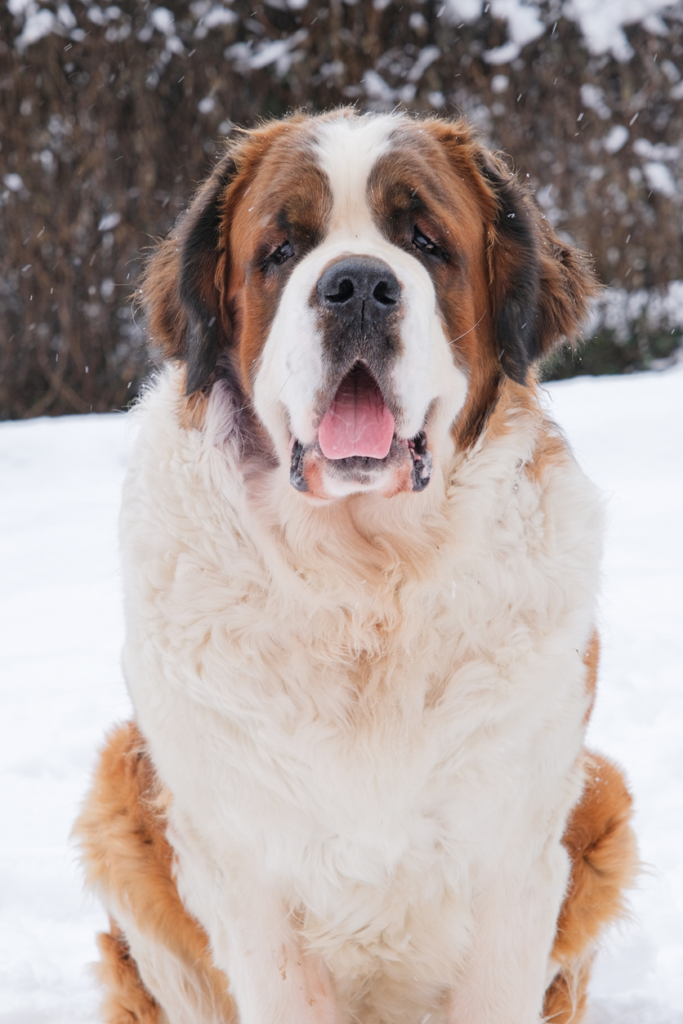
Some big, impressive breeds like the Bernese Mountain Dog and Bullmastiff surprisingly showed almost no detectable wolf DNA in this study.
On the other end of the spectrum, tiny breeds we’d expect to have no wolf traces actually do. For example, about 0.2% of the Chihuahua’s genome traces back to wolves.
Could Wolf Genes Hold the Key to Survival?
Even “village dogs”—those living near humans but not fully domesticated—carried wolf DNA. This isn’t just random genetic drift: some wolf-derived genes linked to scent detection may have helped these dogs survive, offering a real evolutionary advantage that stuck around through generations.
Interestingly, breed descriptions reveal a pattern: breeds with little to no wolf DNA are often described as friendly, easy to train, and playful. In contrast, breeds with more wolf DNA tend to be seen as independent, dignified, or wary of strangers. While it’s not proven that wolf genes cause these traits, it reminds us that choosing a pet based solely on looks isn’t the best idea.