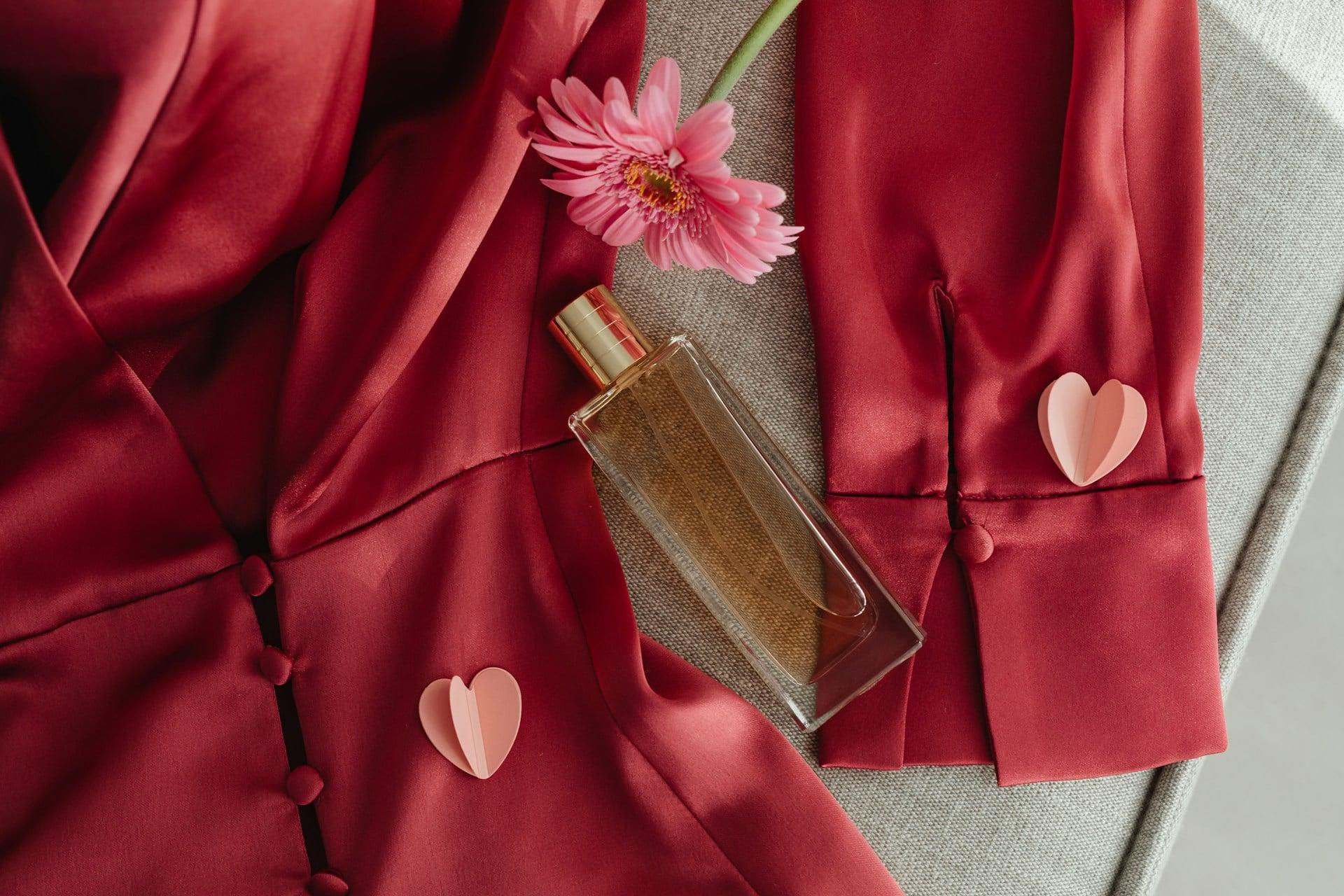
You’ve probably noticed how certain scents can instantly lift your mood or, on the flip side, make you feel uneasy. Since ancient times, cultures have woven fragrances into rituals, healing, and daily routines. Today, aromatherapy grounds this tradition in science, revealing how scents affect our emotions. Let’s dive into the world of aromas and learn how to use them consciously to enhance your daily life.
The Connection Between Scents and the Brain
Scents have a powerful link to our brain, especially the limbic system, which handles emotions and memories. When you breathe in a fragrance, scent molecules travel through your nose to the brain, activating emotional centers. That’s why a perfume or the smell of fresh bread can bring back vivid memories. Scents can spark joy, nostalgia, or even anxiety.
These memories don’t just sit quietly—they actively shape how we feel in the moment.
A pleasant scent might trigger a happy childhood memory, boosting your mood and easing stress. On the other hand, an unpleasant scent tied to a bad memory can create tension.
Aromatherapy: The Healing Power of Scents
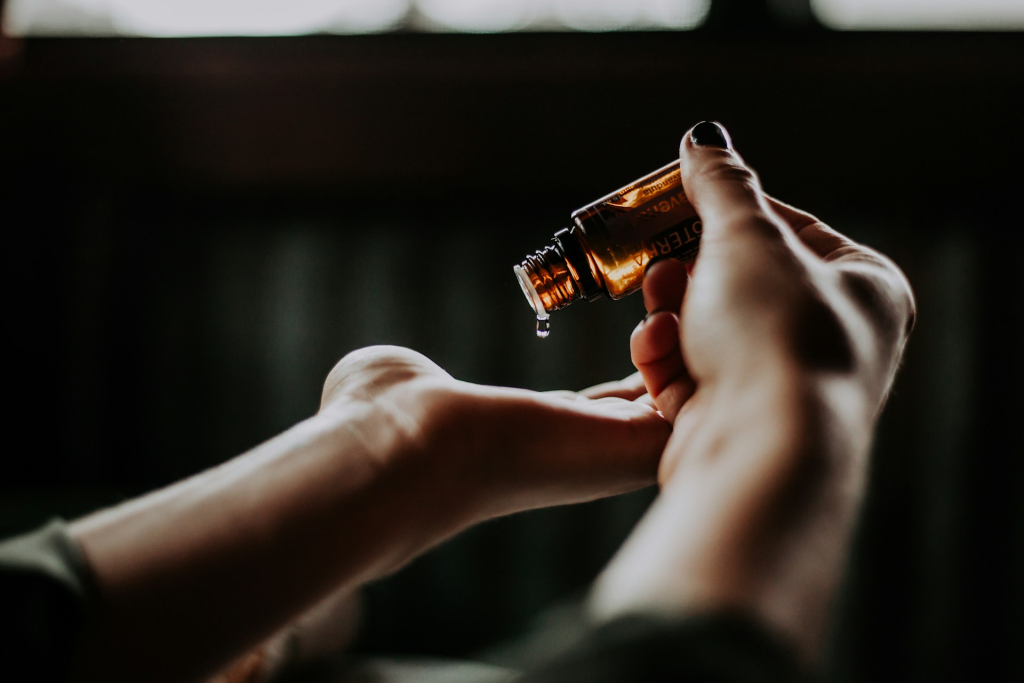
Aromatherapy uses essential oils to support emotional and physical well-being, easing worries like anxiety and fatigue. Lavender, for example, is great for stressful moments or sleep troubles.
Essential oils are often recommended for baths, massages, or diffusers.
Eucalyptus oil can soothe cold symptoms, while peppermint or jasmine scents help calm restlessness. Lemon and orange oils are known for their energizing effects, perfect for refreshing your mind during a long day.
Scents to Boost Your Mood
Research shows scents actively influence our mood, so it’s worth using them intentionally. If you need a motivation boost, try rose or cedarwood essential oils—they can enhance confidence and determination.
For a romantic vibe, vanilla and sandalwood inspire relaxation and calm. Studies suggest vanilla may even increase happiness and reduce stress, making it a favorite among couples.
Scents and Social Connections
Less known is how scents affect social interactions. A pleasant aroma can ease introductions and leave a positive impression. Citrus scents create a harmonious atmosphere at meetings, while warm, spicy notes make workplace chats friendlier.
Your personal style also shines through your choice of perfumes and body care scents. They send subtle messages that set you apart and add unique character to your personality.
Researchers are constantly exploring new fragrances and aromatherapy techniques to improve mental and physical health. In the future, scents may play a bigger role in treating mental health challenges like depression and chronic stress, with science and technology enabling more precise, personalized scent therapies.