The vibe of our home isn’t just about furniture layout, décor style, or material quality—it’s deeply shaped by the colors we choose for our walls. With today’s wide range of paints and wallpapers, the options feel endless. But how exactly do these hues influence our mood and well-being?
How Do Colors’ Meanings and Effects Influence Us?
The study of color meaning dates back thousands of years; ancient Egyptians and Chinese believed colors could evoke different emotions. Today, psychologists and interior designers build on this insight to create spaces that truly resonate.
While cultural differences shape how colors affect us, some meanings are universal. Red often sparks energy and passion, while blue brings calm and stability. Choosing your shades thoughtfully can positively shape your mood and behavior over time.
Psychological Effects of Different Colors
When planning your home’s colors, consider their daily impact. Here are some common color effects to guide your choices:
- Red: Sparks quick reactions, boosts adrenaline and impulsiveness. Great for kitchens or gyms where energy and motivation matter.
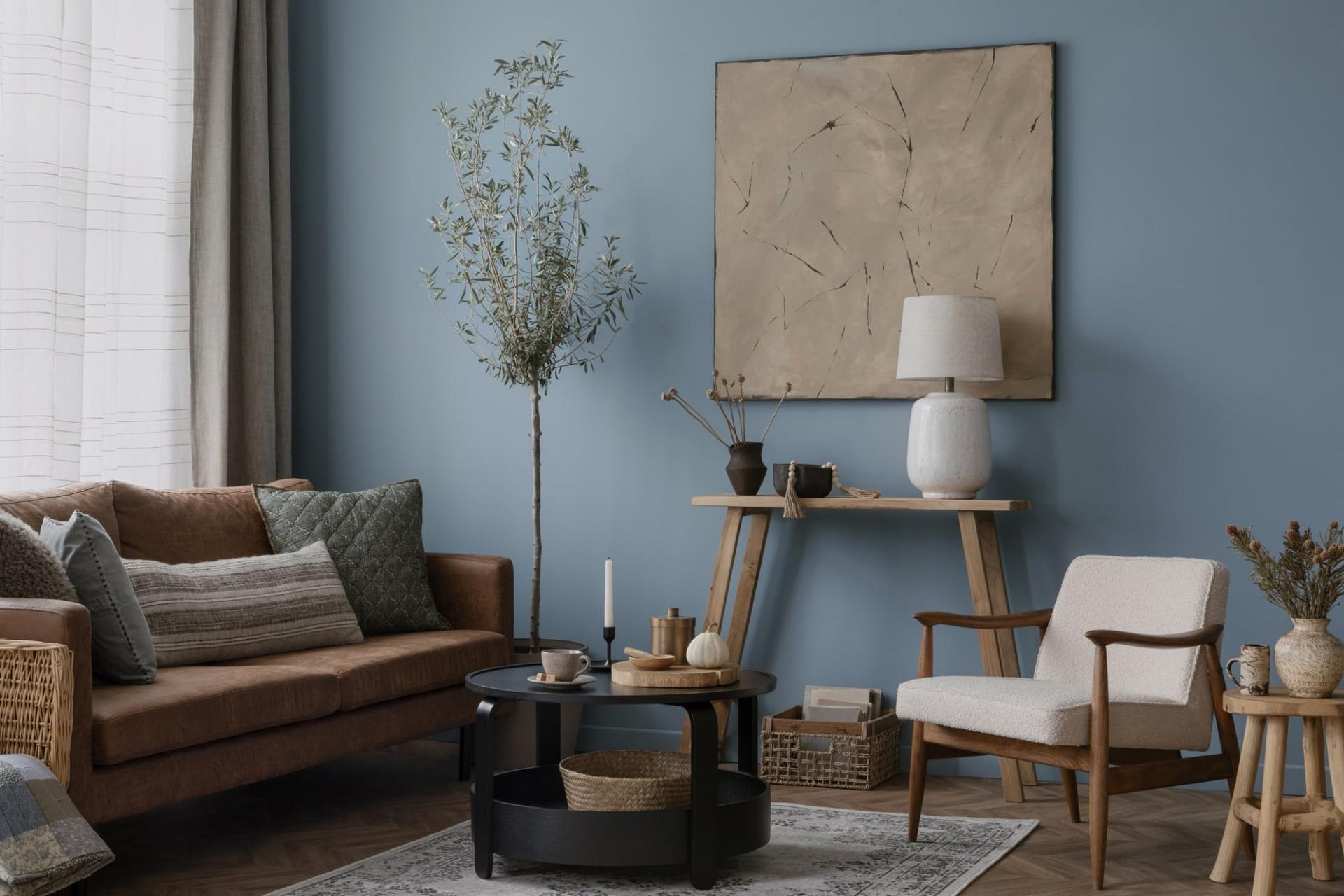
- Blue: Radiates calm and coolness. Perfect for bedrooms or workspaces that need relaxation or focus.
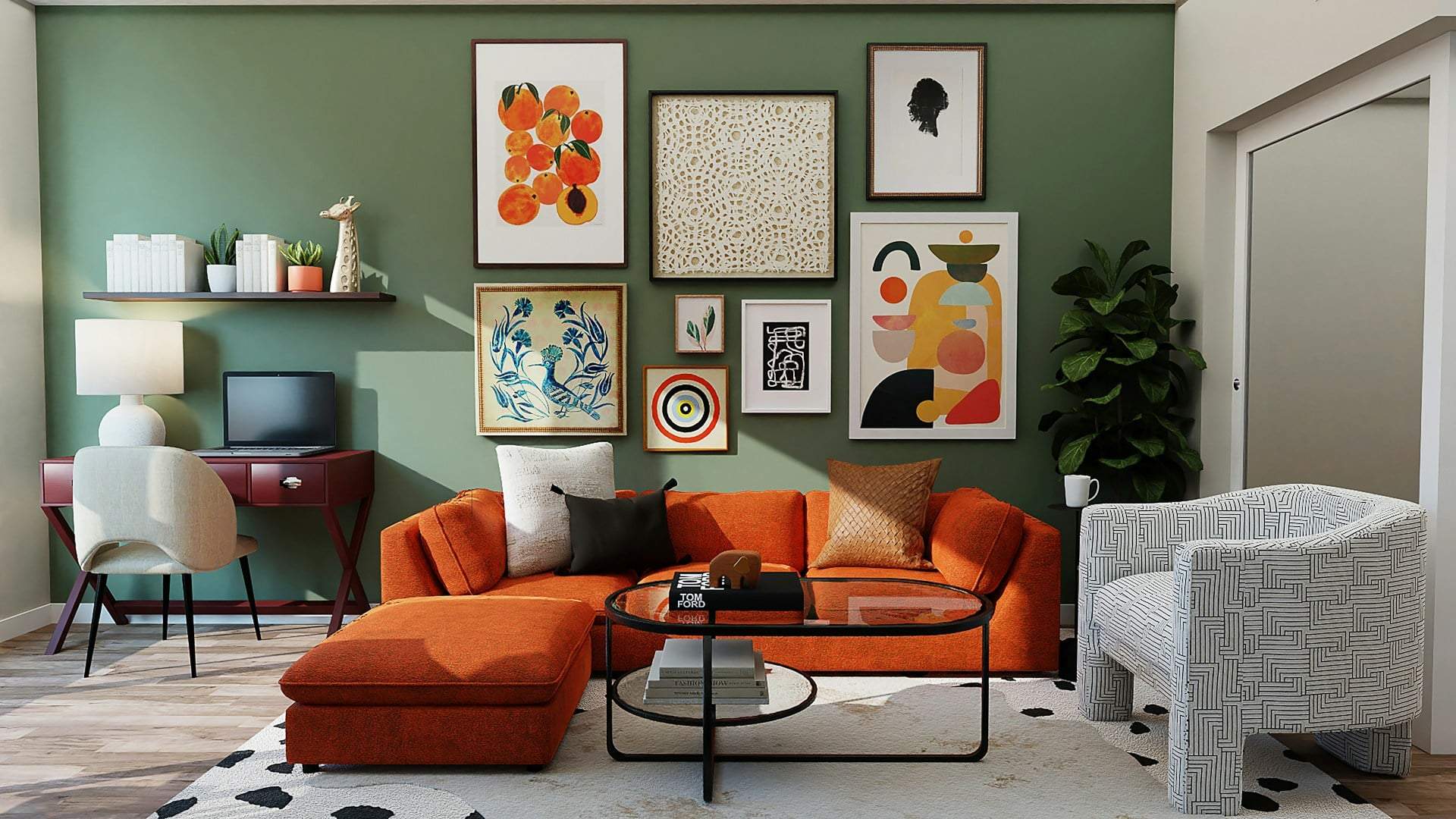
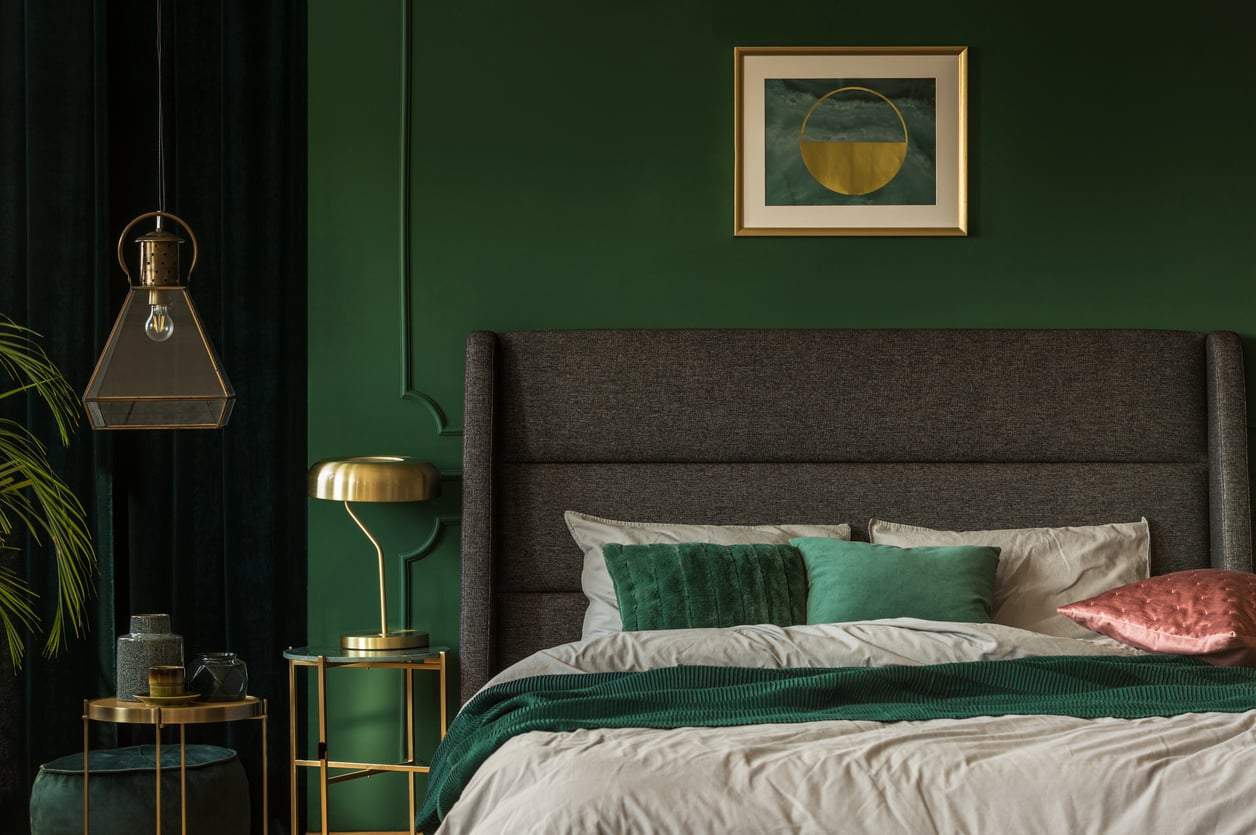
- Green: Symbolizes nature and freshness, helping reduce stress. Ideal for living rooms or offices.
- Yellow: Brings cheer and optimism, creating a warm atmosphere in kitchens or living rooms. But too much yellow might cause anxiety.
Remember, the effect depends on the shade and intensity. Bright yellow feels different from pastel yellow. Test colors on small areas to see how you respond.
Why Mindful Color Choices Matter
Over the long haul, colors play a bigger role than we might think. Our home should feel balanced, supporting rest, productivity, and overall well-being.
The right shades help create a tension-free, harmonious space. They also reflect our personality and lifestyle, making color a powerful form of self-expression.
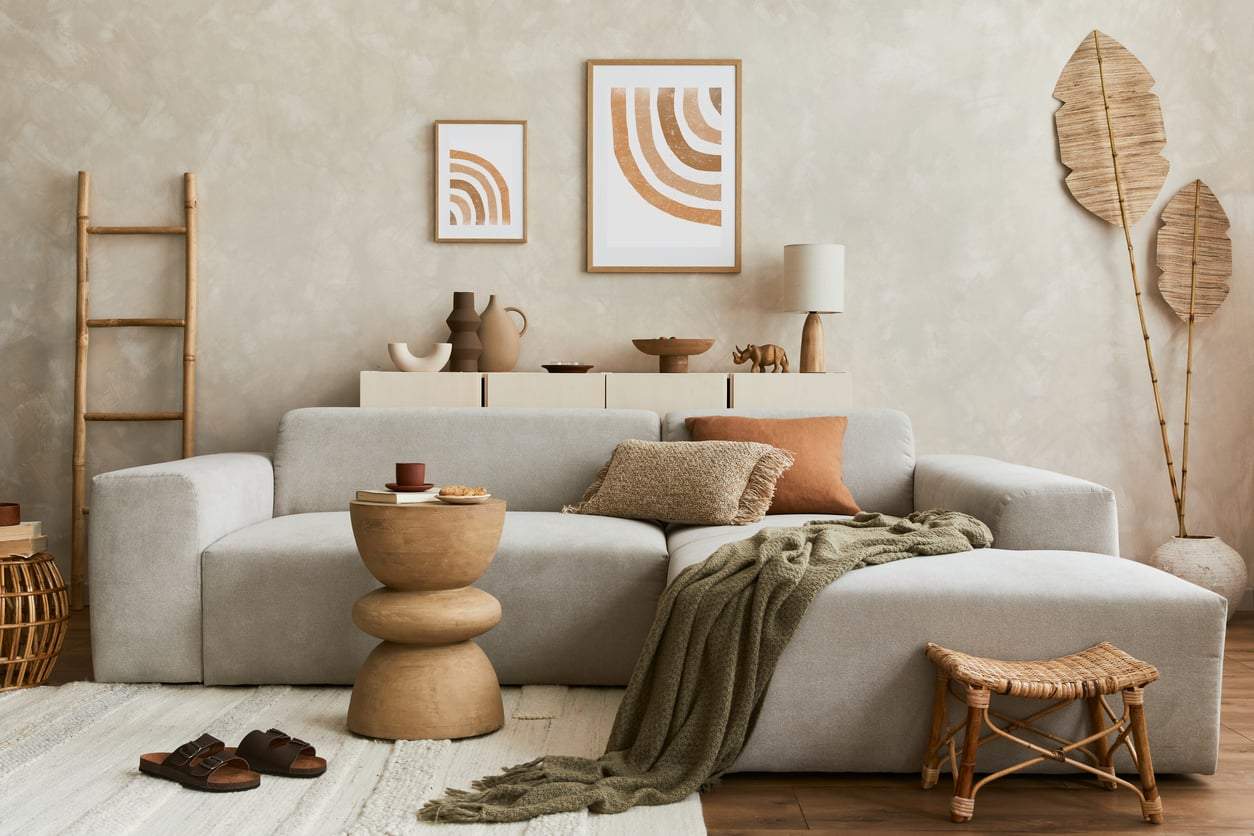
- Living Room: Neutral tones like gray or beige create a balanced base that pairs well with vibrant accents.
- Kitchen: Warm colors like orange or red stimulate appetite and energize the space.
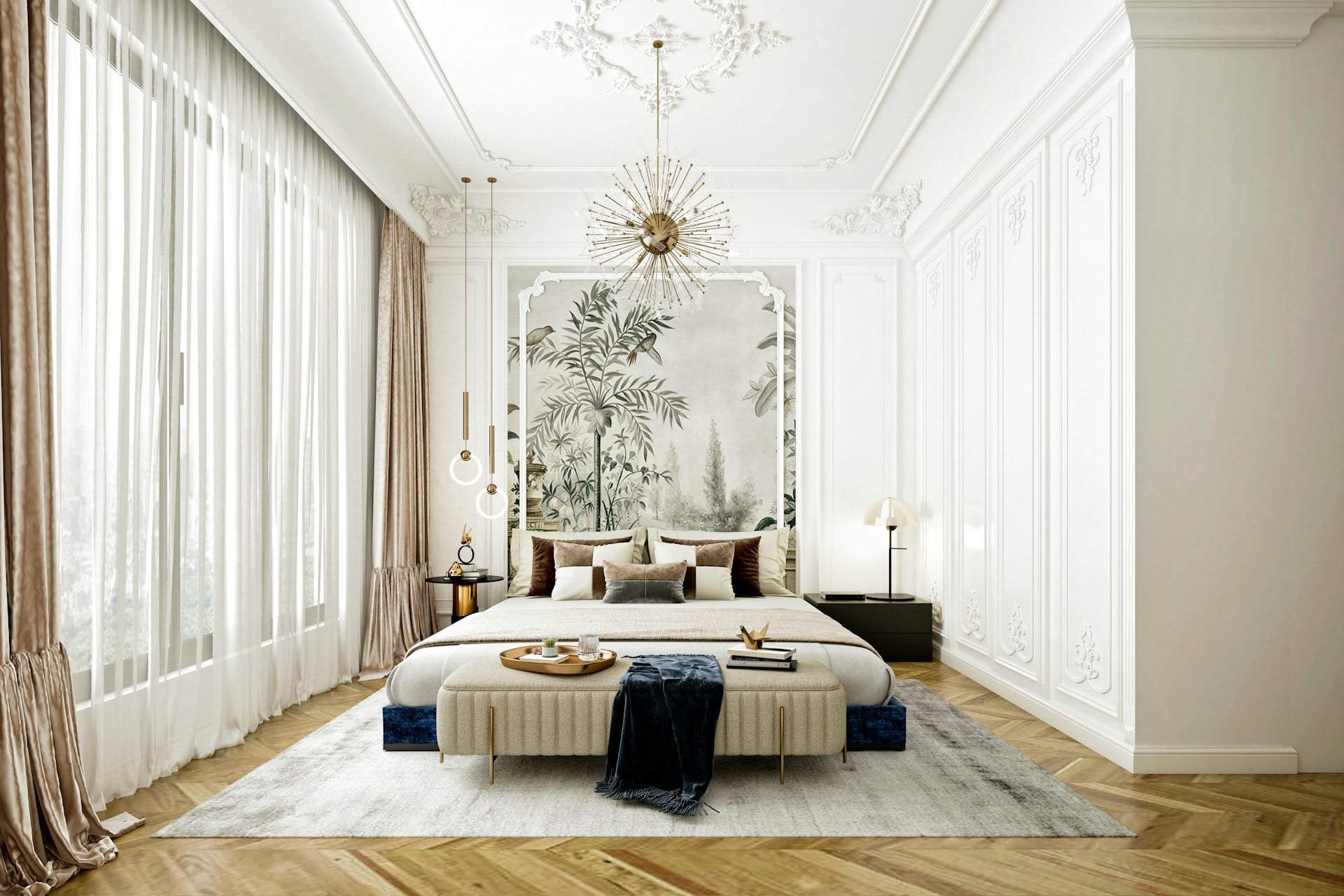
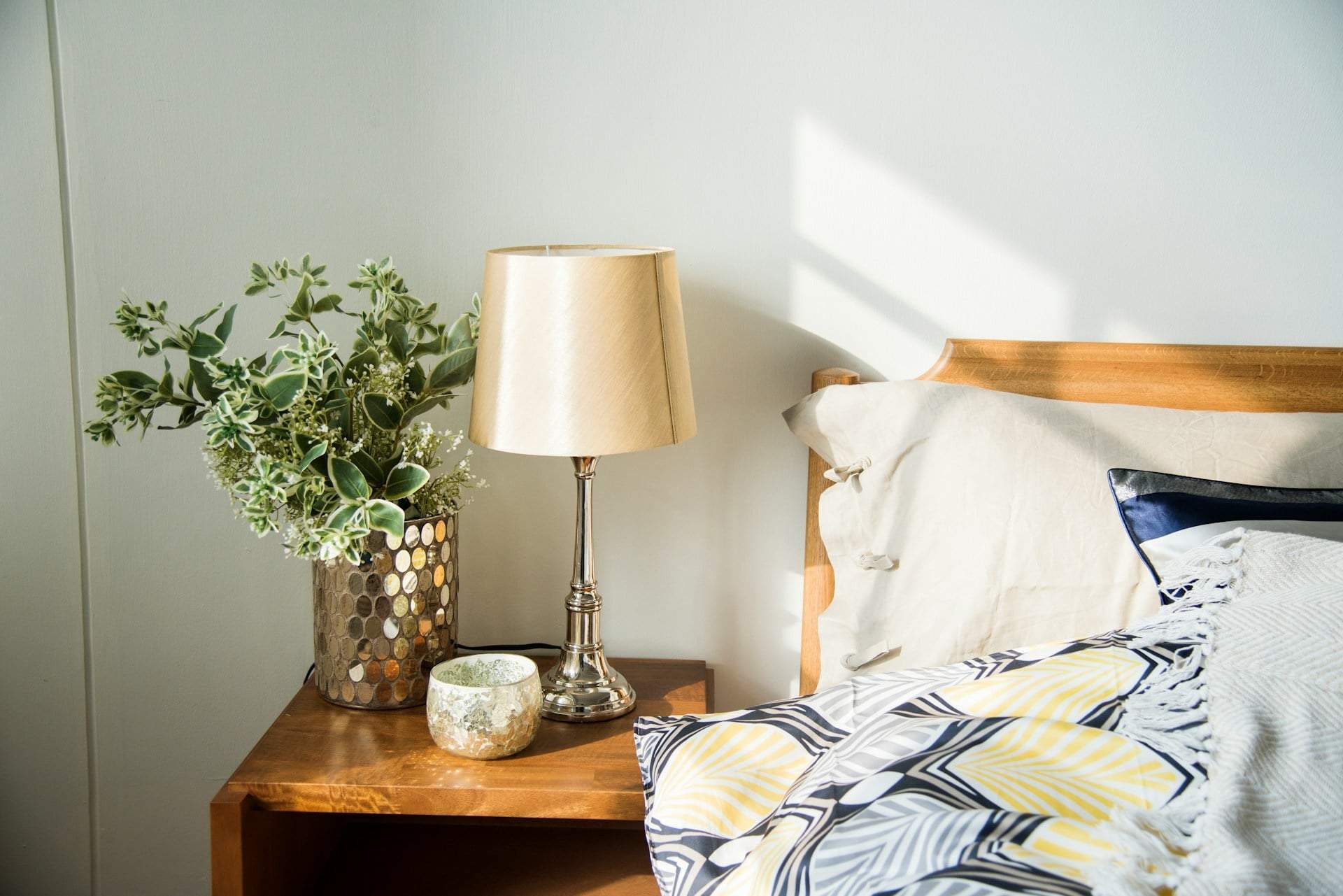
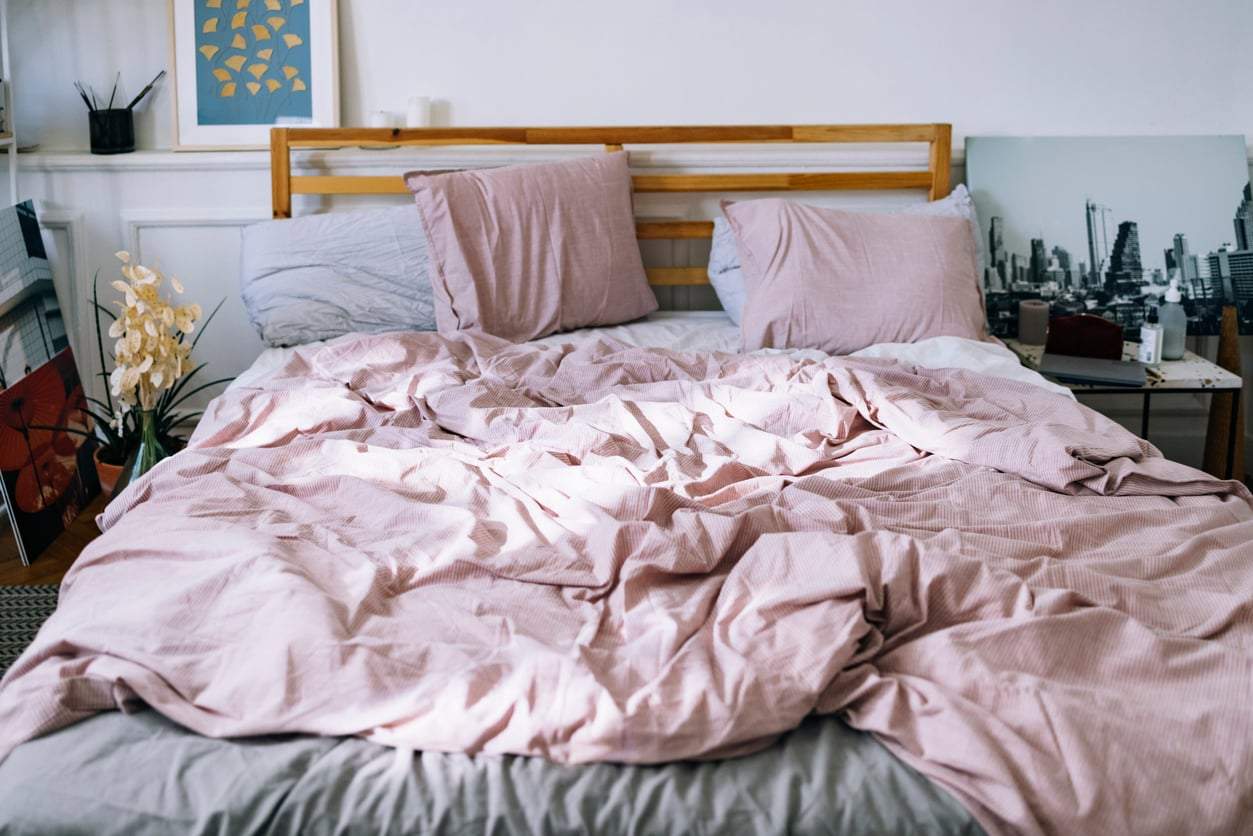
- Bedroom: Calm shades such as blue and pastel purple promote restful sleep and relaxation.
These choices help make every moment at home comfortable and refreshing. The psychology of color isn’t just a design trend—it’s a daily influence on our emotions and performance.