What if the way you arrange your living room could add years to your life? It sounds like a stretch — but researchers who've studied the world's Blue Zones, the regions where people routinely live past 90 and 100, have found that the home environment plays a surprisingly powerful role in longevity. These communities don't just eat well or move more. The spaces they live in are quietly, intentionally designed to support a long and healthy life.
Here's what we can learn from the way they do it.
Comfort and function over clutter
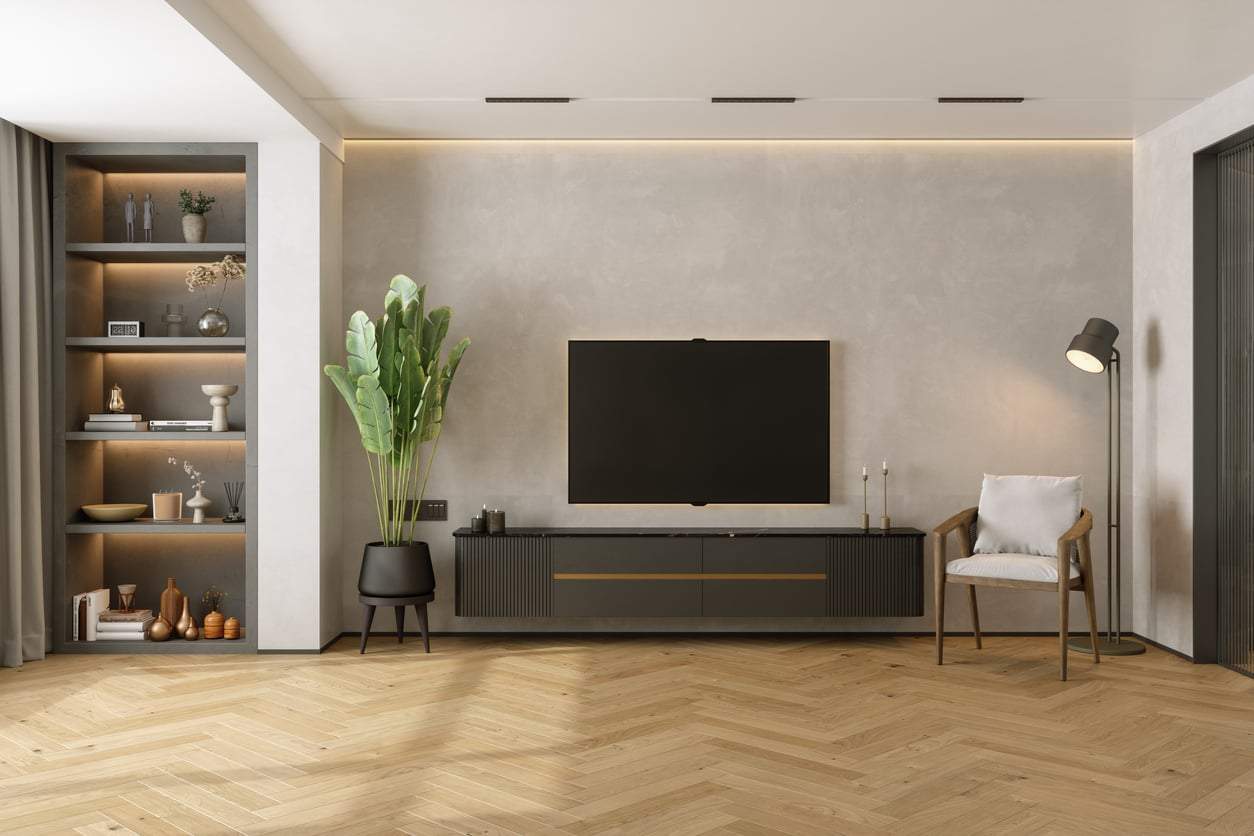
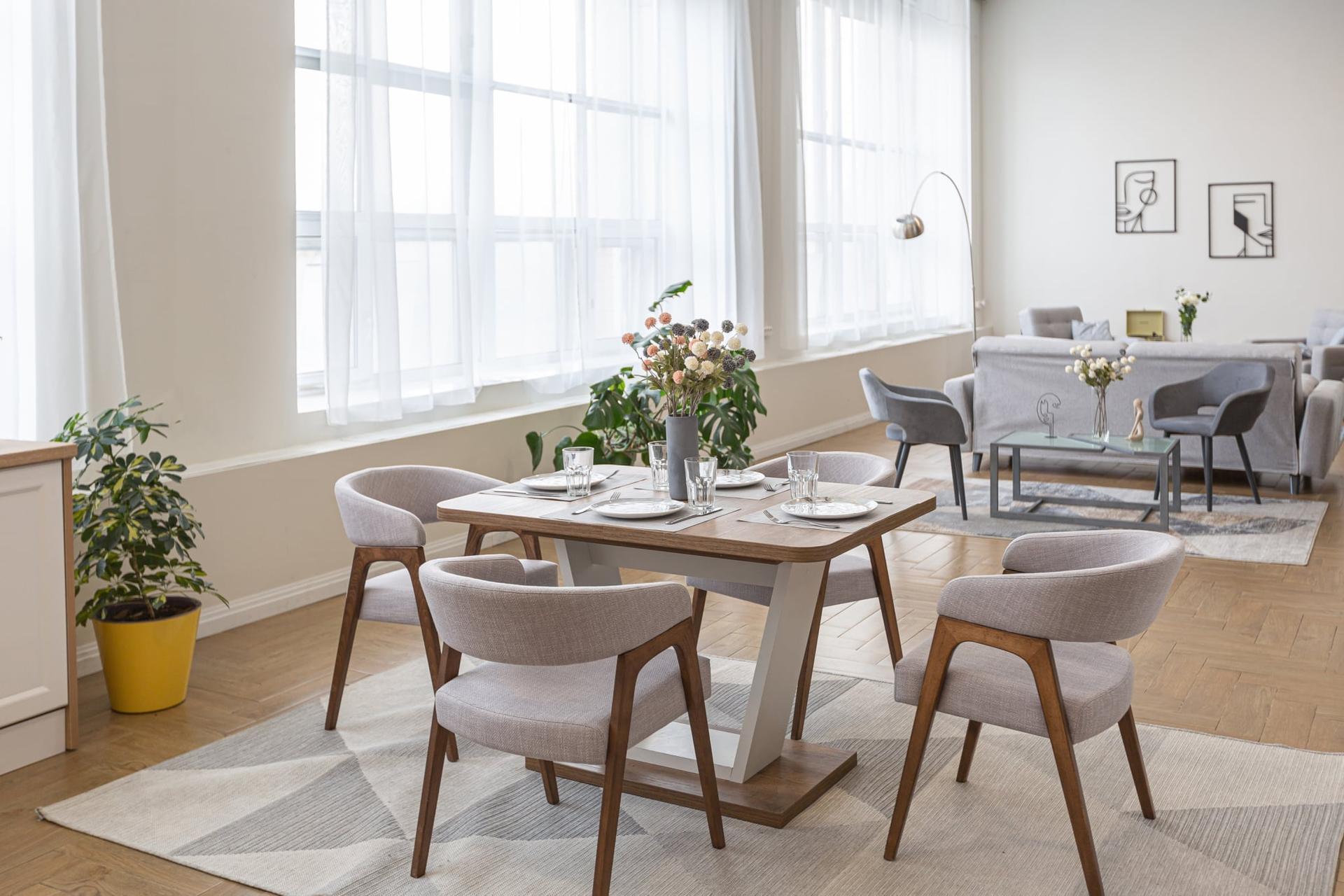
Walk into a Blue Zone home and you'll notice something immediately: there's not much stuff. The furniture is simple, purposeful, and well-made. Nothing is there just to fill space.
This isn't just an aesthetic choice. Living in a clutter-free, functional environment reduces both mental and physical stress. When your home is easy to navigate and easy to maintain, your nervous system stays calmer. You spend less energy on the low-grade friction of a messy or overcrowded space — and that energy stays available for the things that actually matter.
The takeaway: favour fewer, better things. Choose furniture that does its job beautifully and leave room to breathe.
Bringing the outside in
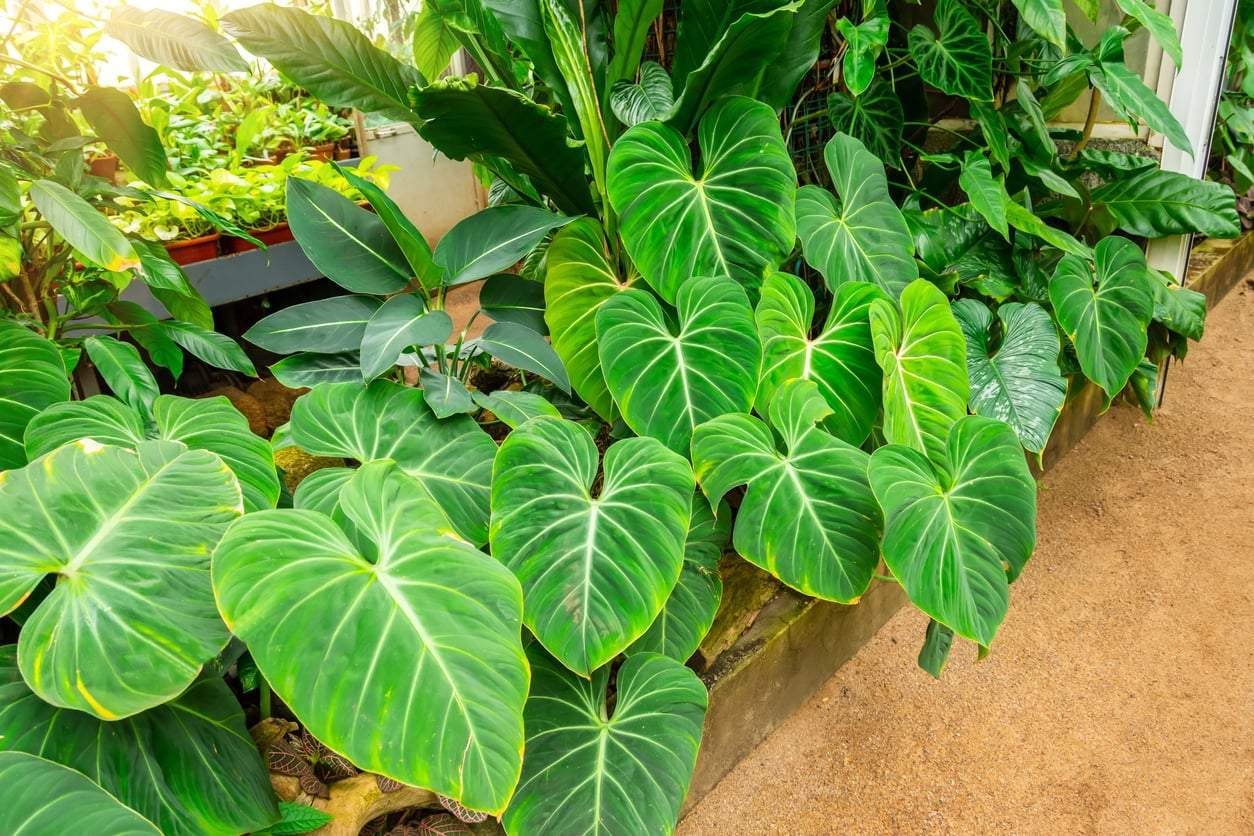
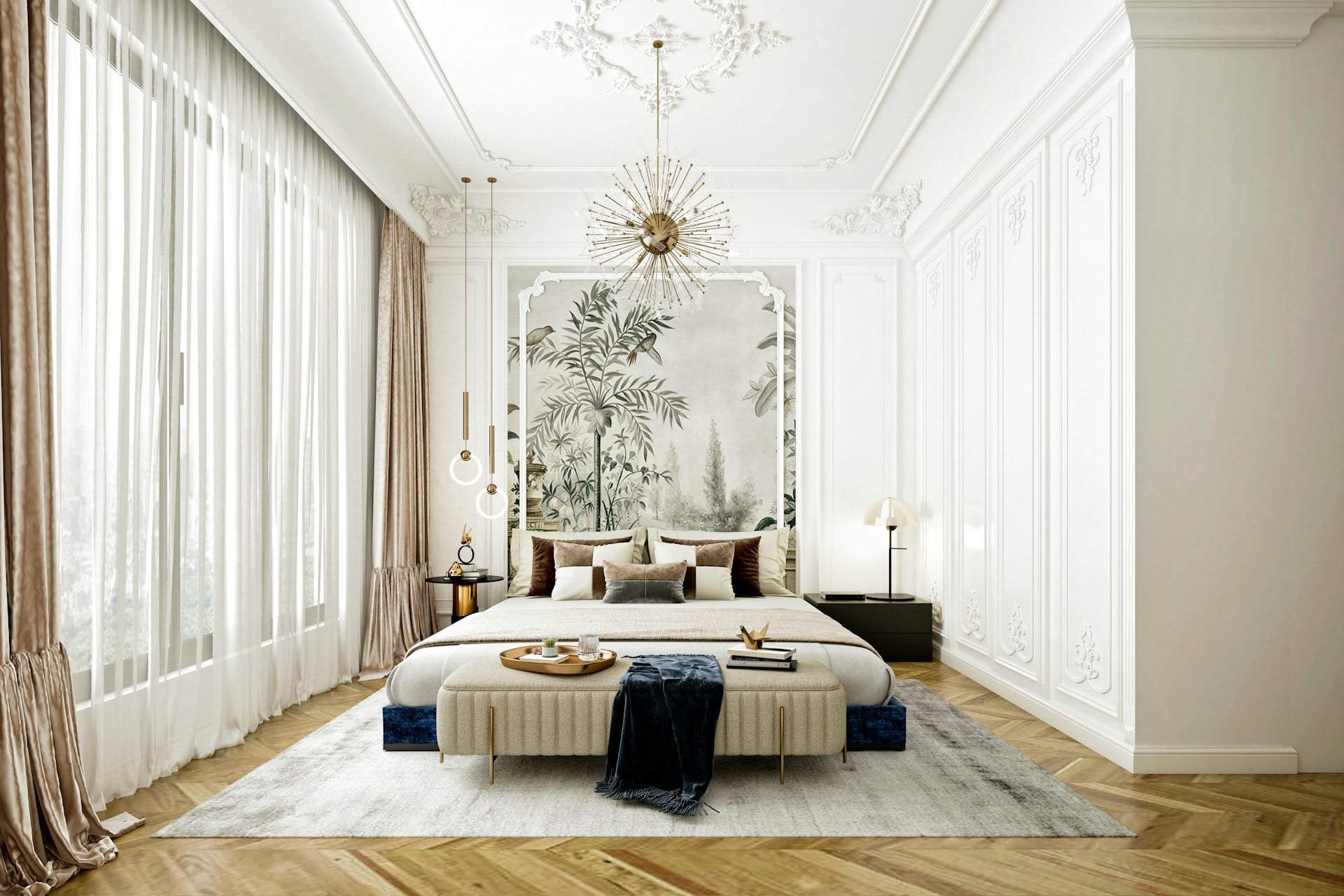
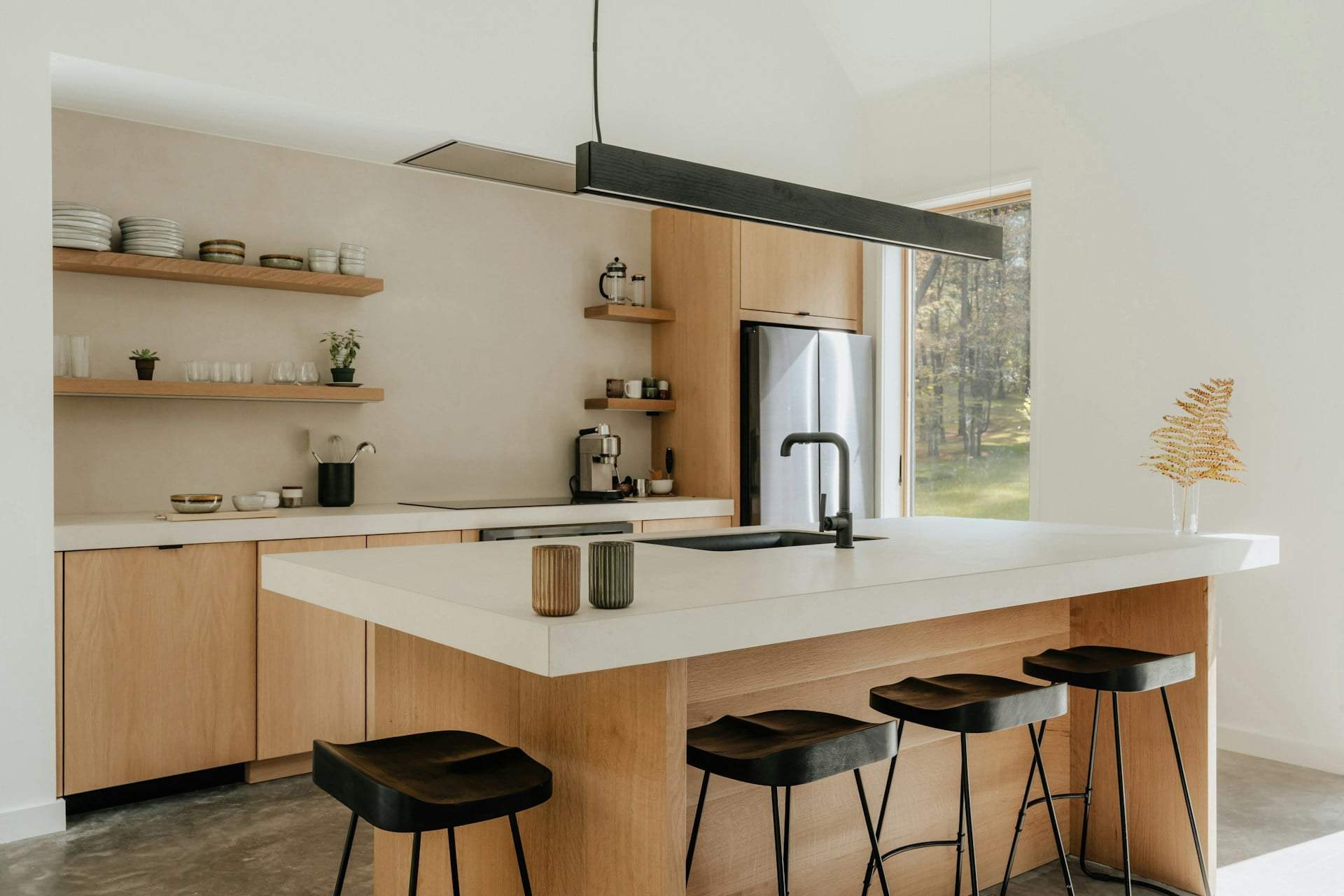
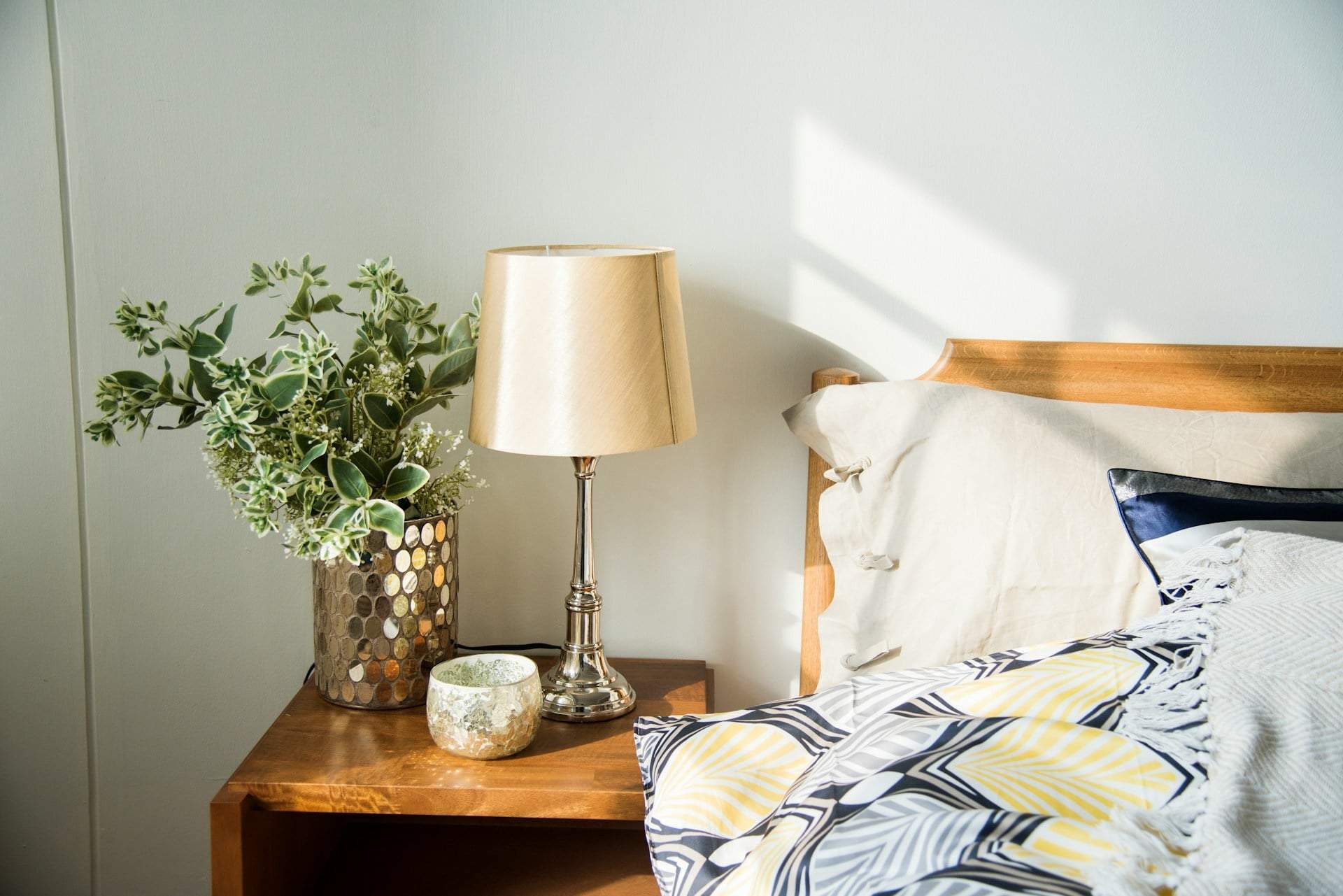
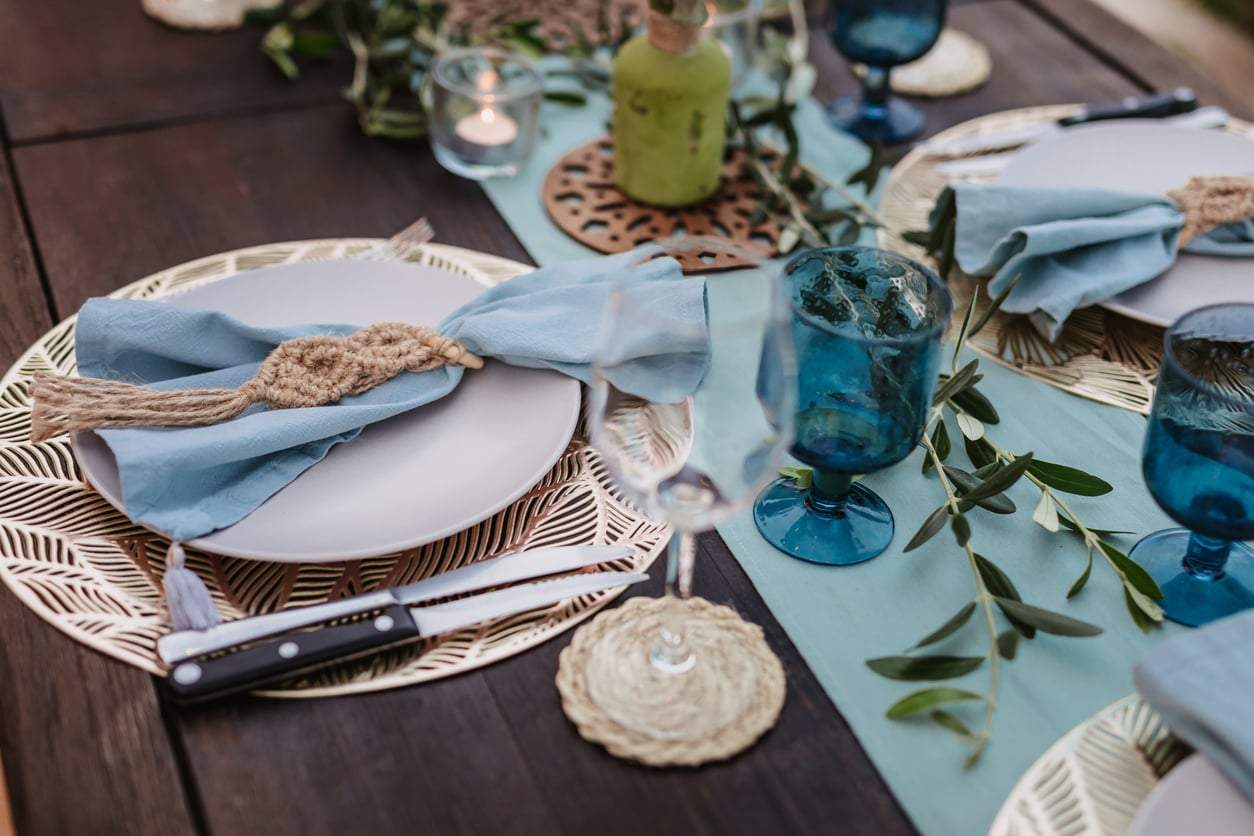
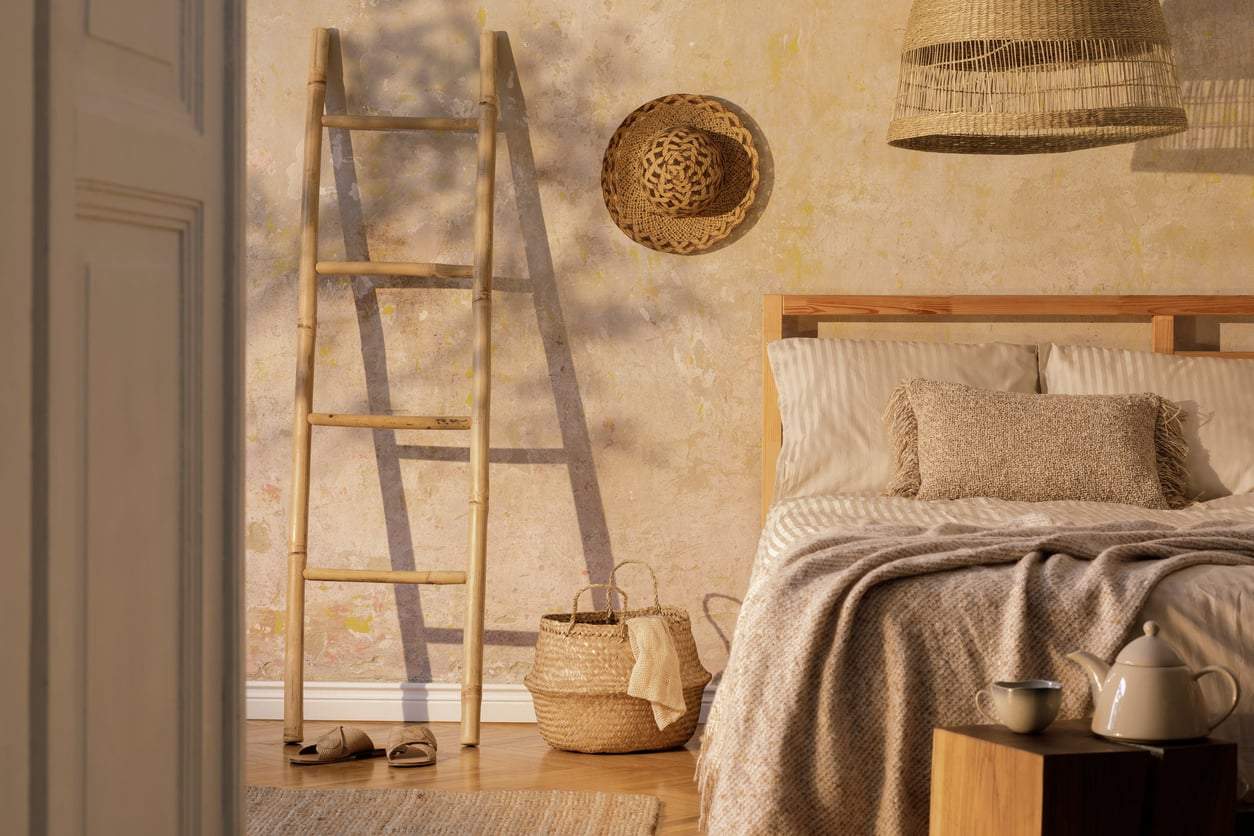
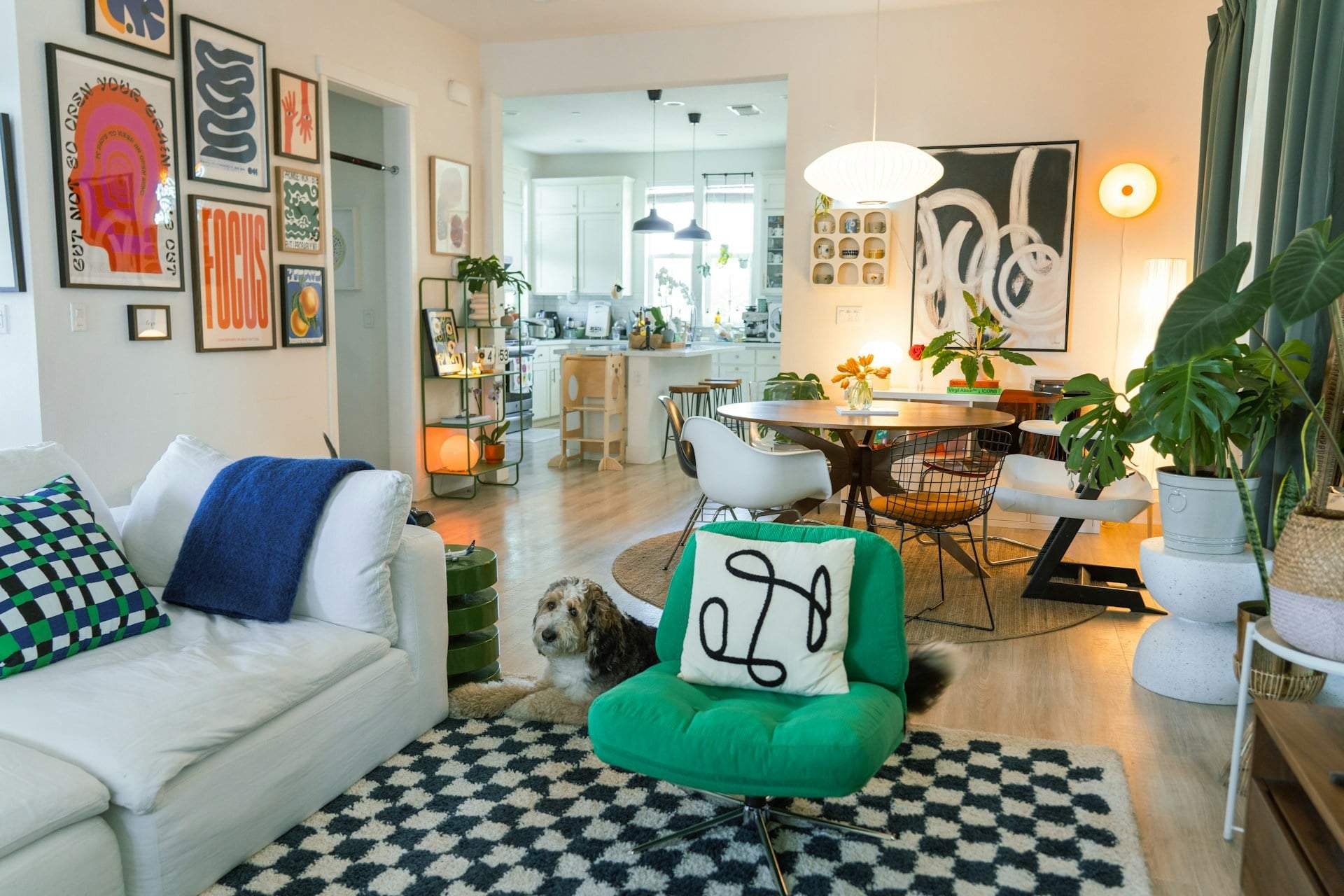
Blue Zone homes tend to feel connected to the natural world, even when they're modest in size. Plants are everywhere — not just for decoration, but because they genuinely improve air quality and create a sense of calm. Natural light floods in through wide windows and open doors. Materials like wood, stone, and clay are favoured over synthetic finishes.
Colour palettes lean towards earthy tones, soft greens, and warm neutrals — shades that echo the landscape outside rather than fighting against it. The overall effect is a home that feels grounding rather than stimulating.
Even small changes in this direction make a difference. Swapping harsh overhead lighting for warmer, more natural light sources, adding a few houseplants, or choosing linen and wood over plastic and chrome can shift the entire atmosphere of a room.
Spaces that bring people together
One of the most consistent findings across all Blue Zones is the importance of strong social bonds. And this shows up directly in how homes are arranged.
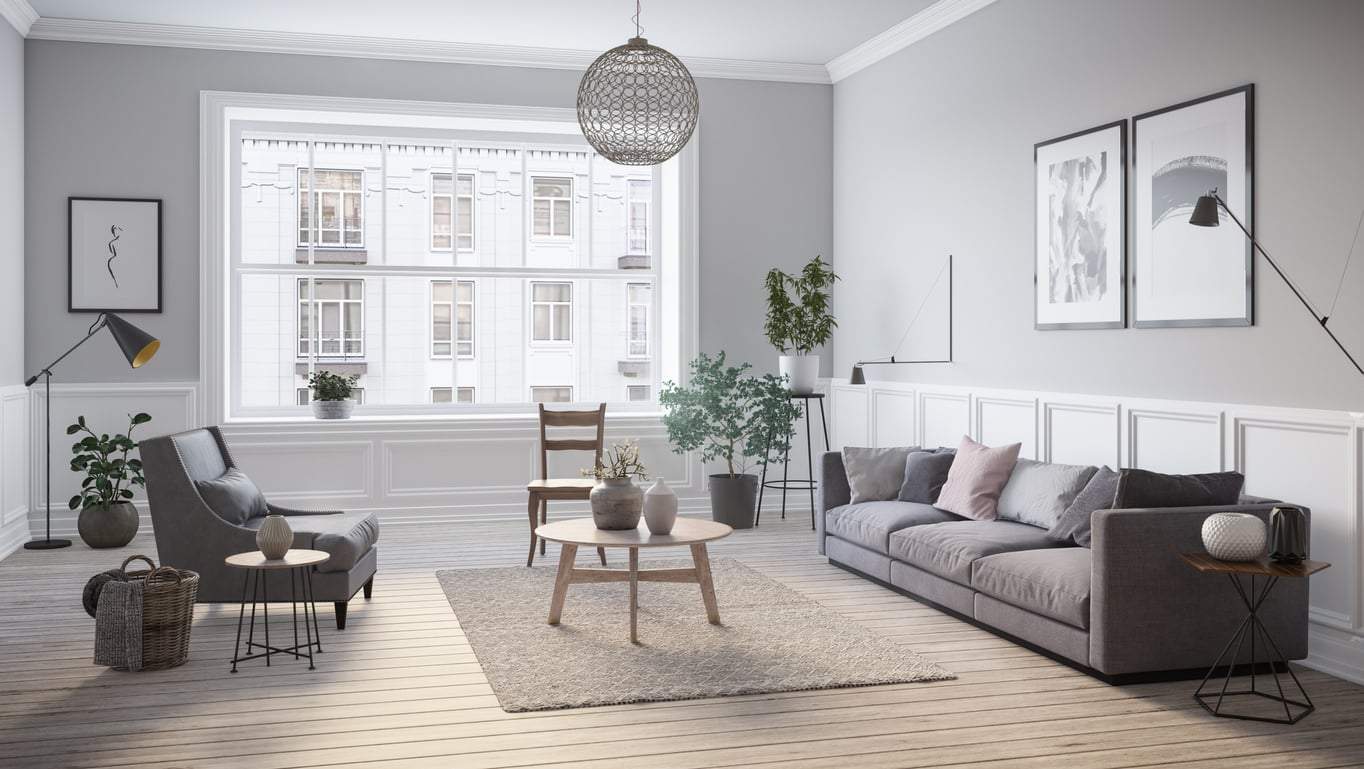
The dining table is often the heart of the home — large enough for the whole family, positioned centrally, used daily. Comfortable seating is arranged for conversation, not just for facing a screen. There are corners designed for lingering, for talking, for simply being together.
This matters more than it might seem. Loneliness is now recognised as one of the most significant risk factors for early death, on par with smoking. A home that actively encourages connection — that makes it easy and natural for people to gather — is genuinely a healthier home.
Sustainability and simplicity
Blue Zone communities are also known for living lightly on the earth, and that philosophy extends into their homes. Local materials, handmade objects, and energy-efficient solutions are the norm. People tend to buy less and choose better — investing in things built to last rather than chasing trends that will feel dated in two years.
There's a quiet confidence in this approach. When your home is made of honest, durable materials and reflects your actual values rather than a fleeting aesthetic, it becomes a more stable and restorative place to be. Aesthetics and practicality aren't in tension here — they reinforce each other.
A home that adapts as you do
Finally, longevity isn't just about how you live now — it's about how well your environment serves you as life changes. Blue Zone homes are designed to be flexible. Furniture can be rearranged. Spaces can shift function. The home grows and adapts alongside the people who live in it.
Modular furniture, multifunctional rooms, and layouts that don't lock you into a single way of living all contribute to a space that remains genuinely useful across decades. These homes aren't static showpieces — they're living environments that support real life at every stage of it.
The best home for a long life isn't the most expensive or the most stylish. It's the one that makes you feel calm, connected, and at ease — every single day.
Small, intentional changes to your living space can have a real impact on your wellbeing. You don't need to move to Sardinia or Okinawa to bring a little Blue Zone thinking into your home.