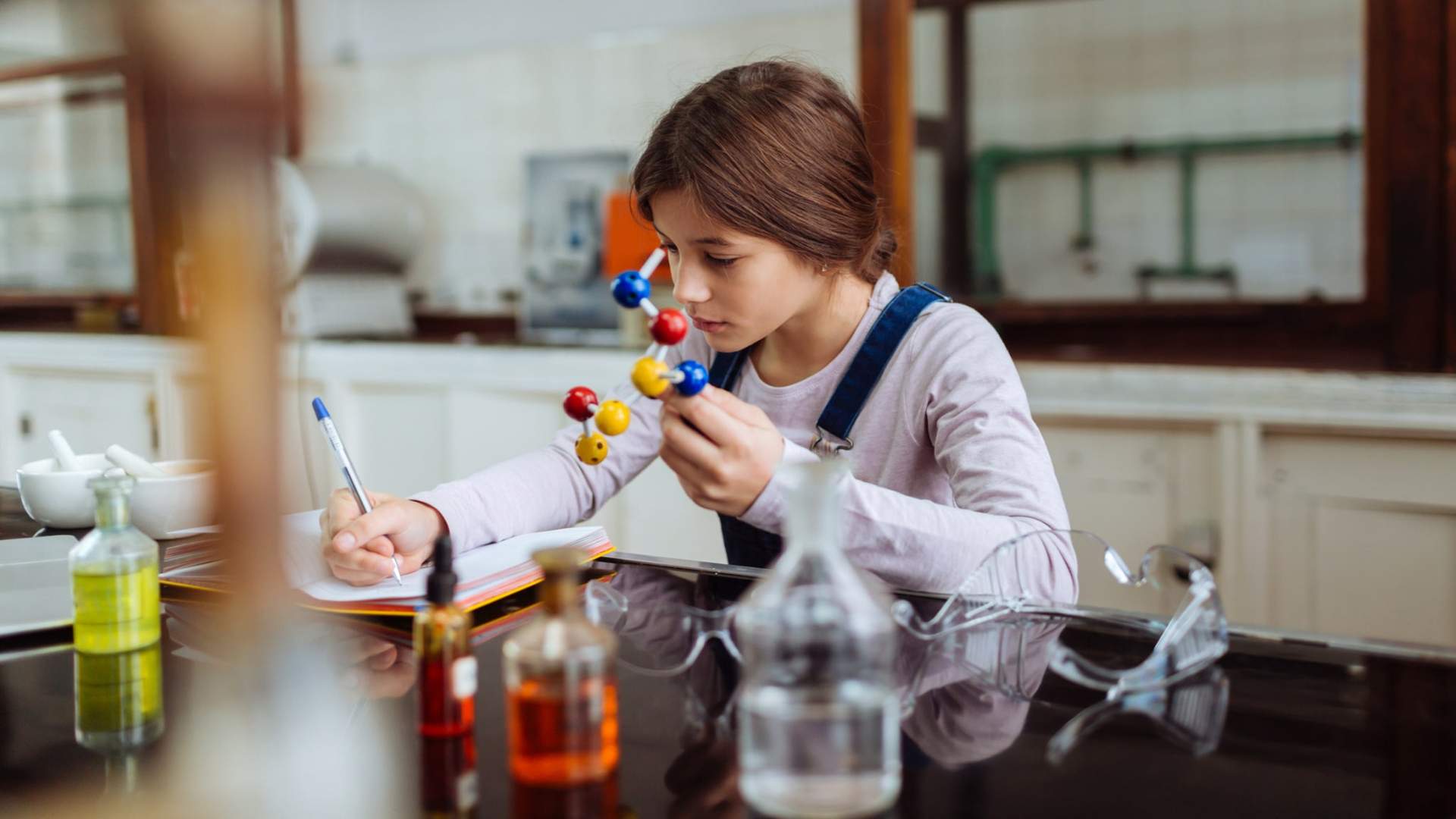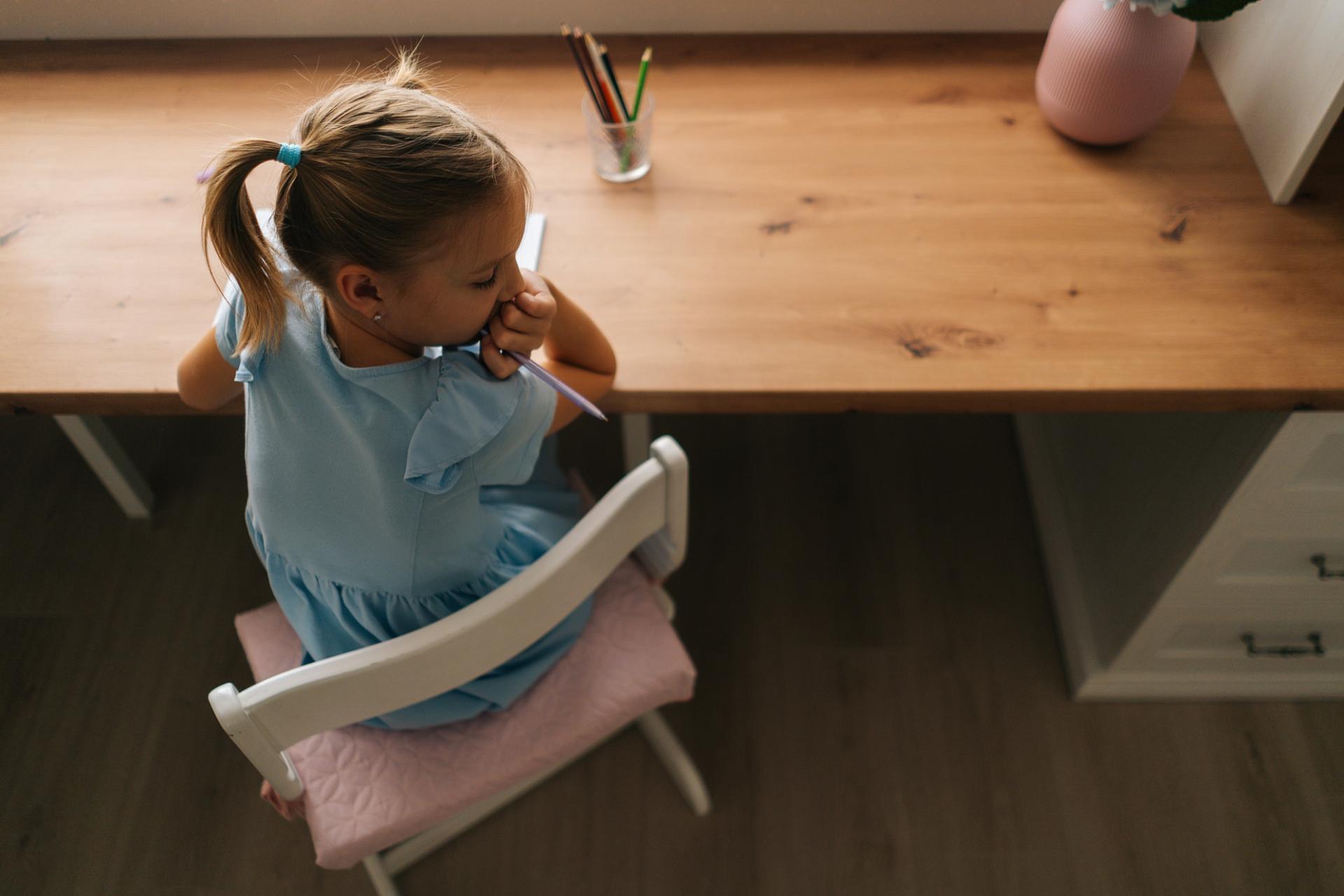
Recent years have brought fresh psychological insights that shine a light on generational trauma and the complex parent-child bond. These approaches deepen our understanding of how we relate to ourselves and invite us to rethink how parental behavior impacts our children’s inner world. While it’s true that parents often unintentionally cause emotional wounds despite their best efforts, not all of our pain traces back to them. Most parents never intend to hurt their children, yet sometimes emotional harm happens without meaning to.
The Pressure of Expectations
Parents naturally look to their children’s future with hopes and dreams, which is completely normal and harmless. But even well-meaning expectations can weigh heavily on kids. Many parents believe they’re guiding their child by setting the ‘right’ path, yet these expectations can become overwhelming, sparking anxiety and self-esteem struggles in children.
Kids try hard to meet these hopes, often sidelining their own desires and needs. Under constant pressure, a sensitive child might feel they’re only valuable if they meet every expectation, which can wear down their inner peace over time.
Criticism and Self-Worth
Criticism is a natural part of parenting, but how much and how it’s delivered plays a huge role in the emotional scars a child carries into adulthood. Constructive feedback can motivate, but constant negative remarks can seriously damage a child’s self-esteem. Repeated criticism can deeply embed itself in a child’s mind, leading to lasting self-doubt.
Parents aim to help their children grow, but critical comments often focus more on mistakes than on encouraging progress. This can make children feel they’re never good enough or will never measure up, which may lead to serious emotional challenges.
Misunderstanding Love
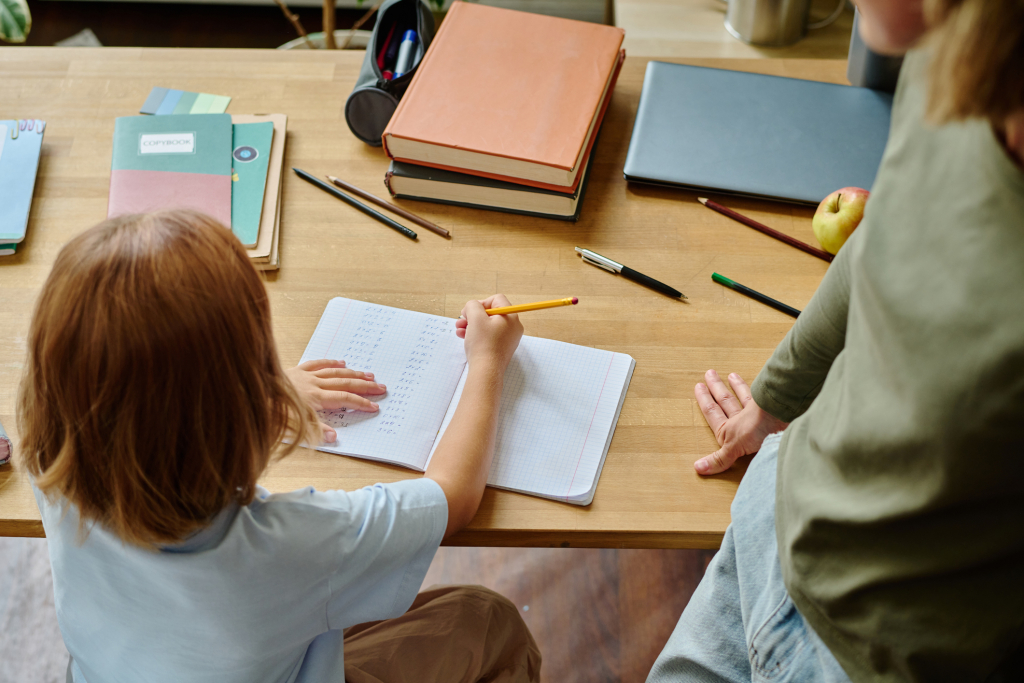
Parents express love in many ways, but love tied to expectations can cause confusion. If a child feels their parents only show affection when they achieve certain results or behave a certain way, they may grow up believing love is conditional.
Children raised in this way often struggle to trust others later, fear following parental patterns, and feel lost when they don’t meet others’ expectations. These feelings can deepen their inner insecurity and make building healthy relationships harder.
Building Intimacy and Trust
Children’s emotional growth thrives on supportive, loving connections. When parents build trust, it eases fear and boosts confidence. On the flip side, distant or cold parenting can lead to emotional detachment.
Emotionally neglected kids often find it hard to form healthy adult relationships because they’ve learned love must be earned, not given freely. That’s why it’s so important for parents to consciously create emotional safety, helping their children live balanced, happier lives.
Consistency and Flexibility in Parenting
Consistency and flexibility are key to a child’s emotional stability. Firm but loving guidance builds a sense of security and helps kids maintain inner balance in a changing world.
Balanced parenting means respecting each child’s unique needs and feelings while setting clear boundaries for rights and responsibilities. Kids raised this way understand where they have freedom and where they need to adapt, reducing emotional vulnerability and boosting confidence as they face life’s challenges.