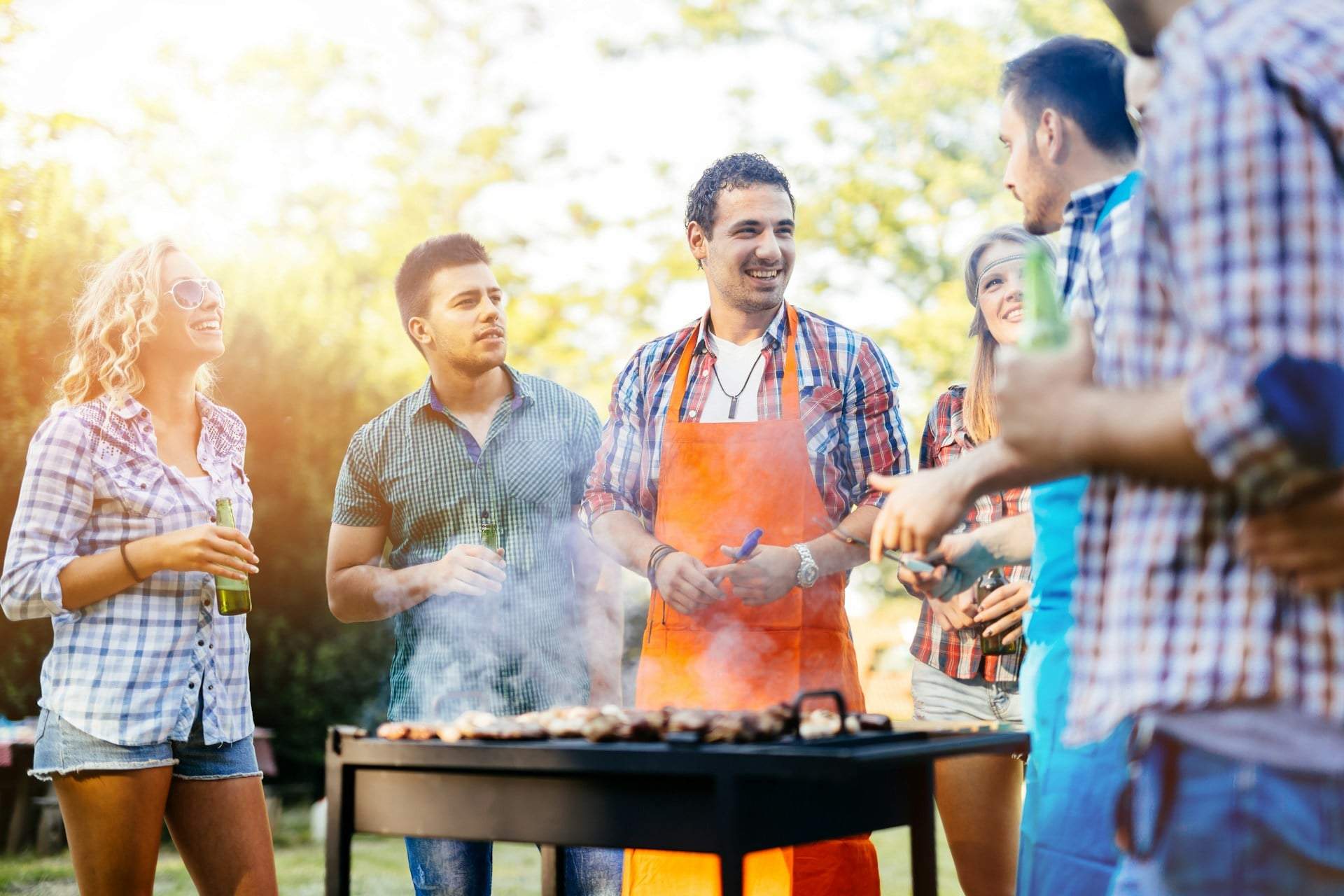
We eat fast. We work fast. We even try to rest fast. And somewhere in all that rushing, a quiet question keeps surfacing: when did life become something to get through instead of something to live?
The hardest thing any of us ever does is find balance — between work and rest, family and friends, what we eat, and what feeds the soul. That sense of wholeness isn't just knowing you're human. It's living like you know it.
And a whole movement has grown up around exactly that idea.
How the "slow living" movement began
It didn't start in a wellness studio. It started as a protest against fast food.
In 1986, when a fast-food restaurant opened in the heart of Rome, a group of locals pushed back. Instead of the drive-through, disposable style of eating, they wanted to put the spotlight back on traditional, unhurried food and the pleasure of a real meal.
But the idea quickly grew far beyond the dinner table. Because we don't just eat fast — we work fast, we relax fast, we even raise our kids fast. And as a way of life, that pace simply isn't sustainable. Slow living gives that instinct — the sense that something has to change — a real shape and structure.
Slow cities: places built for humans, not hurry
The movement even reshapes entire towns. Right now, 120 cities across 16 countries carry the "slow city" title, awarded by an international panel that weighs each candidate against roughly 50 criteria.
What do they look for? Among other things: the care given to local traditions, the protection of culinary heritage, and the amount of green space — and whether the town is actively growing it.
In short, a slow city has to be genuinely livable and people-friendly. If you've ever visited a small town where life moves at a gentler rhythm, you already know the feeling these places are trying to protect.
The small joys we keep skipping
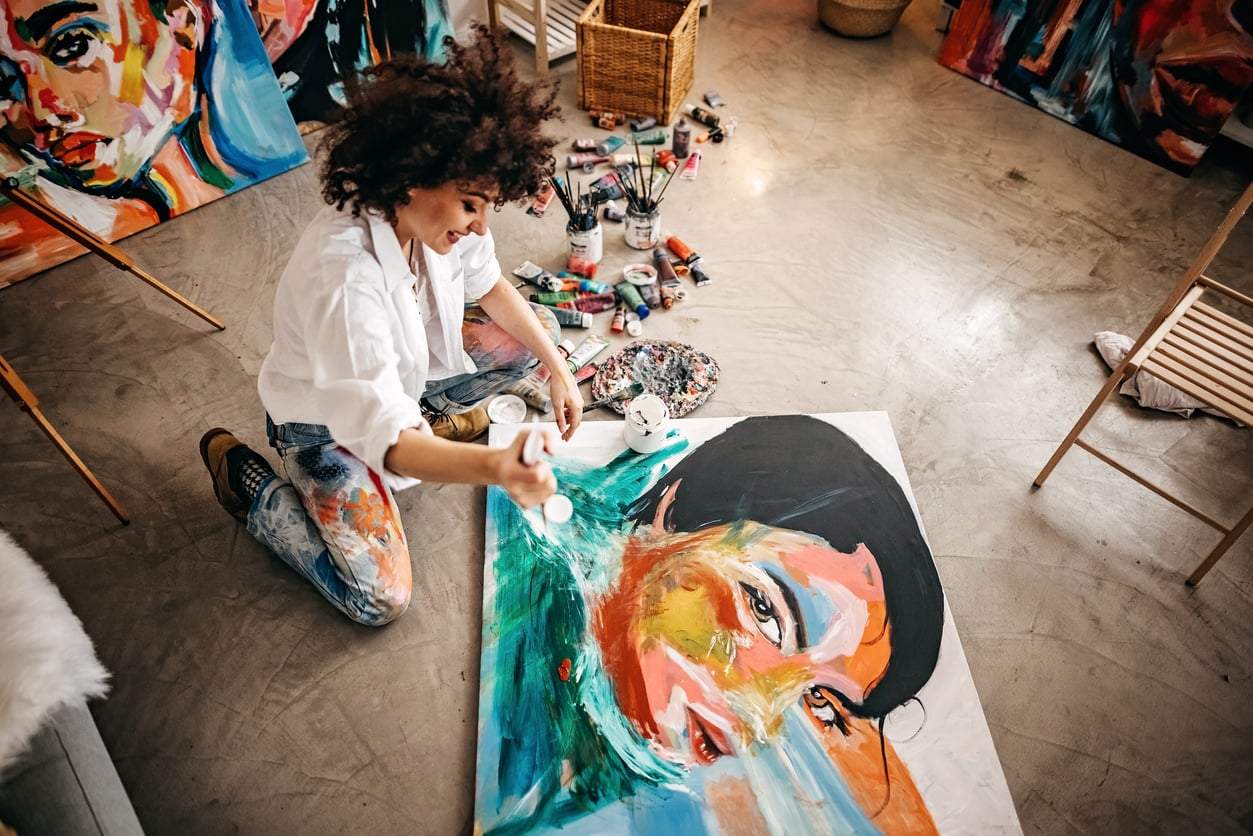
The urge to observe, to go deep, to create something with our own hands — it's built into us. And here's the honest truth: how can you do anything well if you never slow down enough to immerse yourself in it?
Depth takes time. So does actually experiencing your life. Without that, you're not really living — you're just a biological machine ticking through the day.
"Do we rush so we don't miss the important things? Or do we miss the important things because we're rushing?"
The people behind the slow movement put it simply: instead of compulsively ticking boxes off a to-do list, we should put ourselves — and our relationships — back at the center of our lives.
What slow living means at work
Awareness, openness, honesty, and community — that's the philosophy at the heart of the slow movement. And since work is where most of us feel the pressure hardest, it makes sense to start the change right there.
The idea is that a workplace should be somewhere people are actually seen — their natural needs, their professional goals, their limits. And really, it can't work any other way. A workplace that treats employees as resources to be squeezed dry can't stay productive for long. When someone never rests and never finds balance, their performance falls apart.
The most valuable gift you can give: time
Lost time can never be replaced. That's exactly why it's one of the most precious things we have — and why it may be the most valuable gift of all. The hours we spend together, and the shared experiences we live inside them, are the real joy.
Need proof that this idea resonates? A "Give the Gift of Time" campaign once collected people's holiday wishes, and the answers say everything:
- Write down why you love me.
- Build a bird feeder with me this year.
- Play the guitar for me.
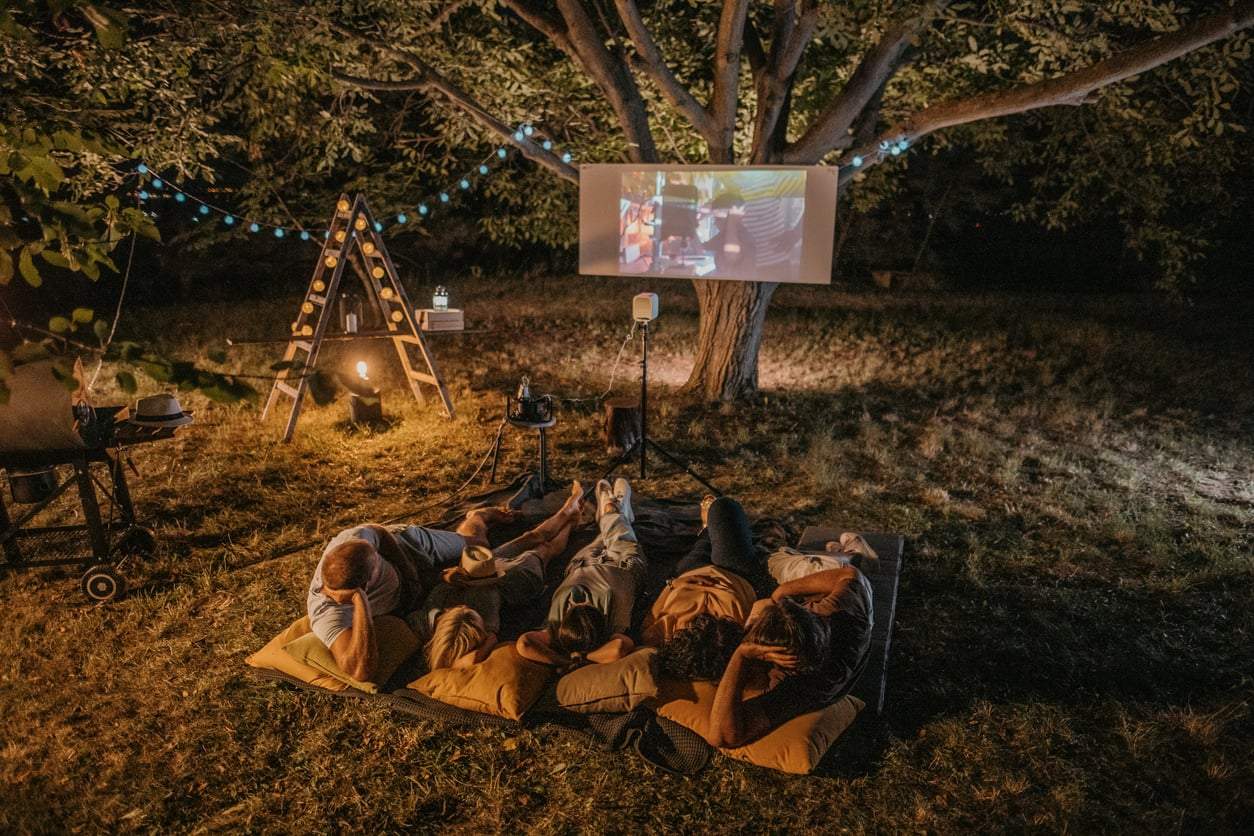
- Watch the whole Back to the Future trilogy with me.
- Listen to old records with me.
- Teach me how to knit.
Not a single one of them costs money. Every one of them costs time — the good kind.
And to finish, this week's slow tip is beautifully simple: take your grandmother out for cake.
What exactly is the slow living movement?
It's a way of life built on awareness, openness, honesty, and community. It encourages people to stop rushing through everything and instead give real time to food, work, relationships, and the experiences that actually matter.
Where did slow living come from?
It began in 1986 as a protest in Rome against a new fast-food restaurant. The idea was to protect traditional, unhurried food — and it soon grew into a broader philosophy about slowing down all areas of life.
What is a "slow city"?
It's an official title given to towns judged against around 50 criteria, including care for local traditions, protection of culinary heritage, and the amount of green space. The goal is a place that's genuinely livable and people-friendly.
How can I start living more slowly today?
Start small and personal. Give someone your time instead of a purchased gift, put your relationships at the center of your day, and let yourself fully experience a moment instead of rushing to the next task.