The vaginal microbiome, or vaginal flora, is an extremely complex and sensitive system whose balance is ensured by the presence and activity of friendly bacteria, primarily Lactobacillus strains. These bacteria produce lactic acid, which helps maintain the vagina's optimal acidic pH level, essential for protection against harmful microorganisms.
What Happens When the Balance Is Disrupted?
When the balance of the vaginal flora is disturbed, the number of Lactobacilli decreases, while pathogens such as yeast or harmful bacteria can proliferate. This can lead to various problems, including unpleasant odors, irritation, itching, and vaginal infections. Hormonal changes, such as during menstruation or menopause, as well as certain lifestyle factors, can also contribute to this imbalance.
Your Diet Also Influences the Microbiome's Health
Few people realize that our diet directly affects our internal ecosystem, including the vaginal flora. Numerous studies have shown that certain foods can influence the vaginal pH level and increase the risk of infections. Therefore, it is important to be aware of which foods may be harmful and, if necessary, exclude them from the diet.
Sugary Foods and Drinks: Favorites of Candida Yeast
Consuming sugary foods and drinks provides an excellent breeding ground for yeast, especially Candida species, known as the most common microorganisms causing vaginal infections. Sugar raises blood sugar levels, which favors the proliferation of fungi. Regular, high sugar intake can contribute to the recurring problem of fungal infections.
Alcohol: Harmful Not Only to the Liver
Although alcohol primarily threatens the liver and cardiovascular health, few consider that it can also negatively affect the vaginal microflora. Alcohol impacts the immune system, weakening its ability to defend against infections, thereby increasing the risk of vaginal infections.
Spicy Foods: Irritations to Avoid
While spicy foods offer an exciting flavor profile, they can cause inflammation and irritation of the mucous membranes. This is especially dangerous if the vagina is already sensitive, as it can contribute to irritation and itching.
Excessive Coffee Consumption and Caffeinated Drinks
Coffee and other caffeinated drinks are known for their stimulating effects, but due to their dehydrating effect, it is also worth consuming them in moderation. Caffeine can dry out the body, including the vaginal mucosa, which may increase the risk of irritation and infections.
Foods Made from White Flour: Also Enemies
Refined carbohydrates, especially baked goods, pasta, and other processed foods made from white flour, rapidly raise blood sugar levels, which, similar to sugar, promotes the proliferation of pathogens, especially fungi.
Foods Filled with Artificial Additives
Processed foods often contain artificial additives, preservatives, and flavor enhancers, which can also affect vaginal health. Certain chemicals can irritate the mucous membrane or disrupt the delicate balance of the microbiome.
What to Consume and How to Protect Yourself?
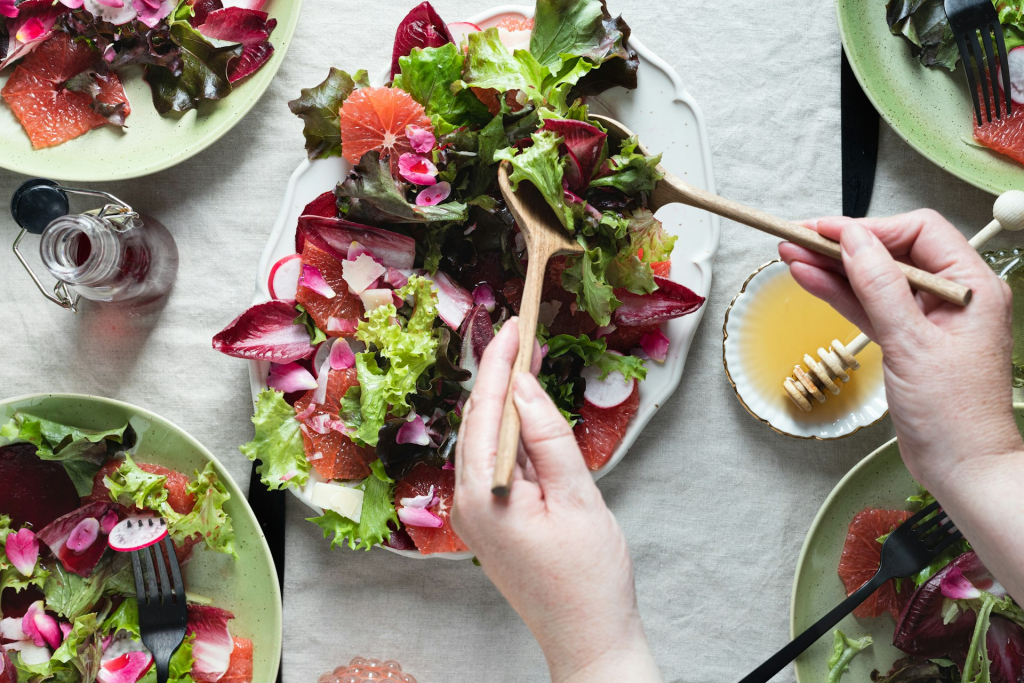
To keep the vaginal microbiome balanced, it is beneficial to consume foods that support the function of Lactobacilli. These include yogurt and other probiotic foods that can help maintain the vagina's acidic pH level. Proper hydration and a varied, nutrient-rich diet are important to strengthen the immune system and defend against infections.