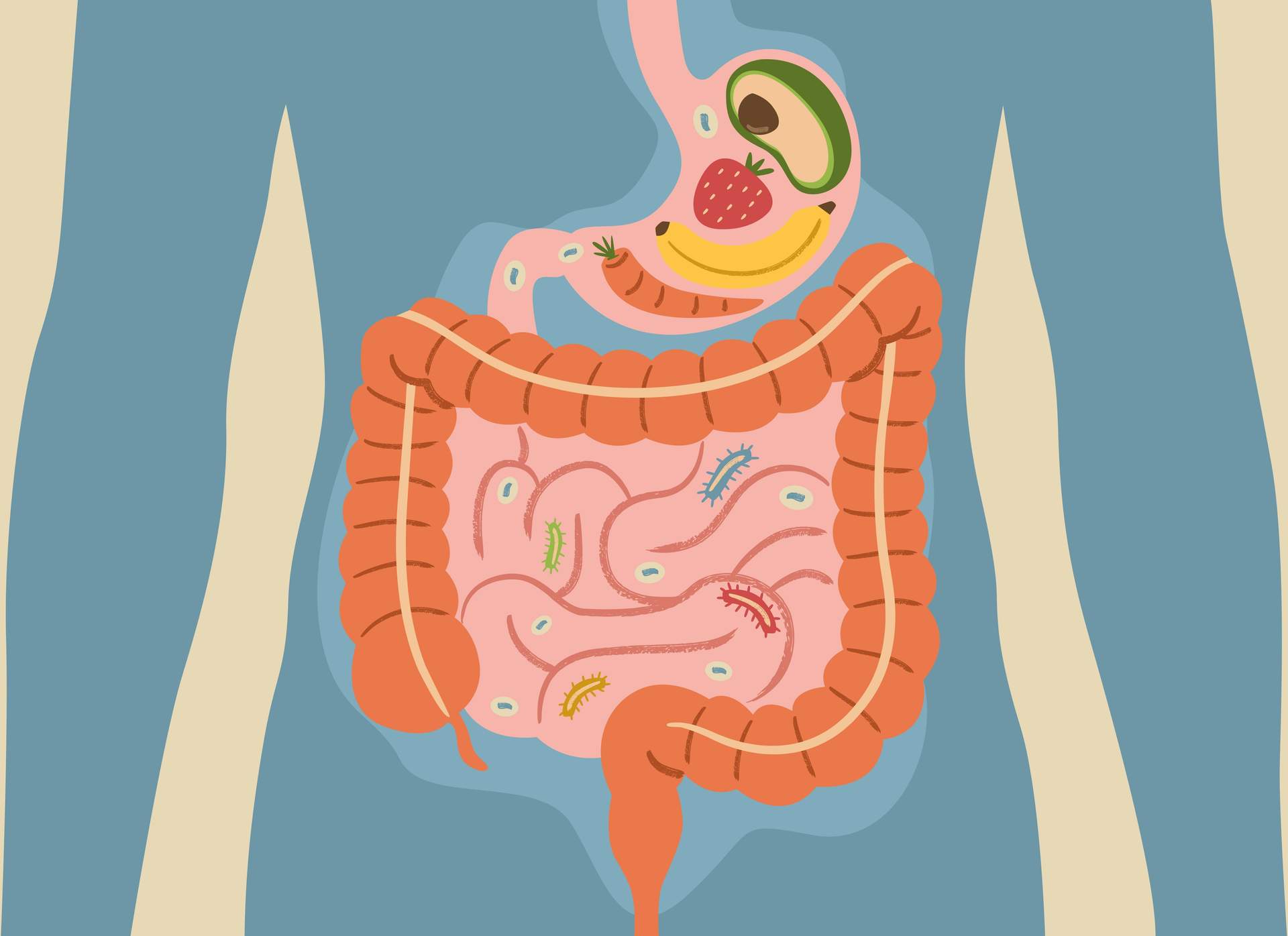
The human body is often compared to a system of similar complexity, like a big city: different parts perform different functions, but even the smallest components are indispensable for its smooth operation. The microbiome, which consists of the inhabitants of our gut flora, participates almost invisibly in our body's functioning, yet fundamentally influences our physical and mental well-being. To properly cultivate this 'inner garden,' several aspects must be considered.
Gut flora essentially refers to the collection of billions of microorganisms found in our digestive system, including bacteria, fungi, and viruses, which live in symbiosis with us. These tiny organisms perform numerous vital tasks, such as aiding digestion, supporting nutrient absorption, and strengthening the immune system.
The balance of the gut flora composition fundamentally determines our health. When the natural composition of the gut flora is disrupted, it is called dysbiosis, which can cause numerous unpleasant symptoms and health problems.
What are the main functions of the gut flora?
The gut flora has many key functions that are essential for the healthy operation of the body.
One of its most important roles is aiding digestion: microorganisms break down complex carbohydrates and fibers found in food, which the body cannot process on its own.
Additionally, the gut flora indirectly participates in the body's immune defense. A healthy gut microbiome prevents pathogens from settling through the intestinal wall and contributes to activating the body's natural defense mechanisms.
How can we support the gut flora?
The first step is to follow a varied and balanced diet. Enrich your diet with fibers, such as vegetables, fruits, whole grains, and legumes, as these compounds, known as prebiotics, help maintain a healthy microbiome.
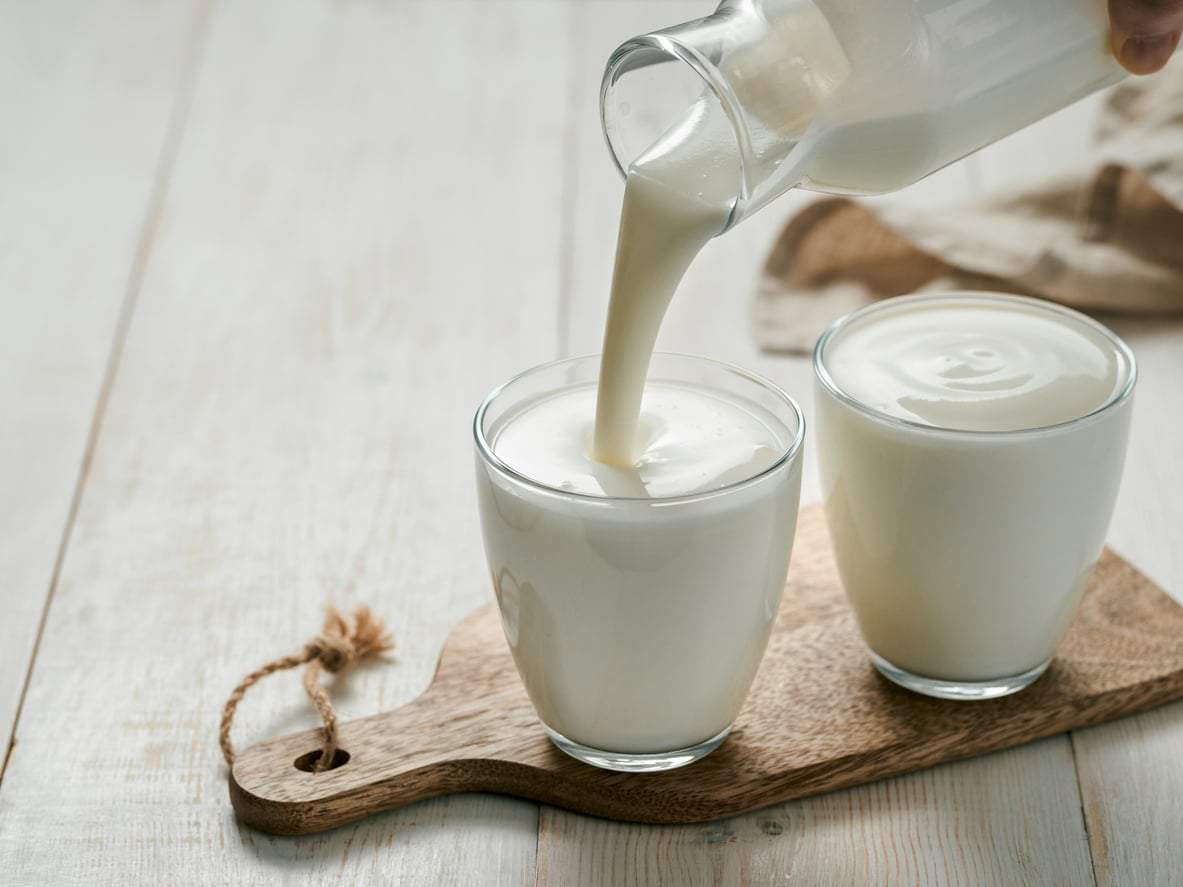
Besides this, it is worth consuming foods rich in probiotics, such as yogurt, kefir, or sauerkraut, which introduce live beneficial bacteria into the body, thereby supporting the existing gut flora.

What should be avoided for the sake of the gut flora?
To keep the gut flora in harmony, it is advisable to avoid excessive use of antibiotics. Although these medicines are essential for treating certain bacterial infections, frequent use can destroy the balance of the gut flora: they kill not only harmful but also beneficial bacteria.
Furthermore, ultra-processed foods, as well as excessive sugar and fat intake, can also negatively affect the composition of the gut flora. Try to cook as much as possible from fresh, natural ingredients and avoid products full of preservatives and additives.
Stress and gut flora: is there a connection?
In today's fast-paced world, stress is almost unavoidable, but we must not forget that in the long term it can also negatively affect the health of the gut flora.
Reducing stress levels, for example through regular exercise, meditation, or simply resting, can contribute to maintaining a healthy gut microbiome.
It is essential to pay attention to how our body reacts to everyday stress and try to minimize or control the factors causing it.