Proportion is the whole trick
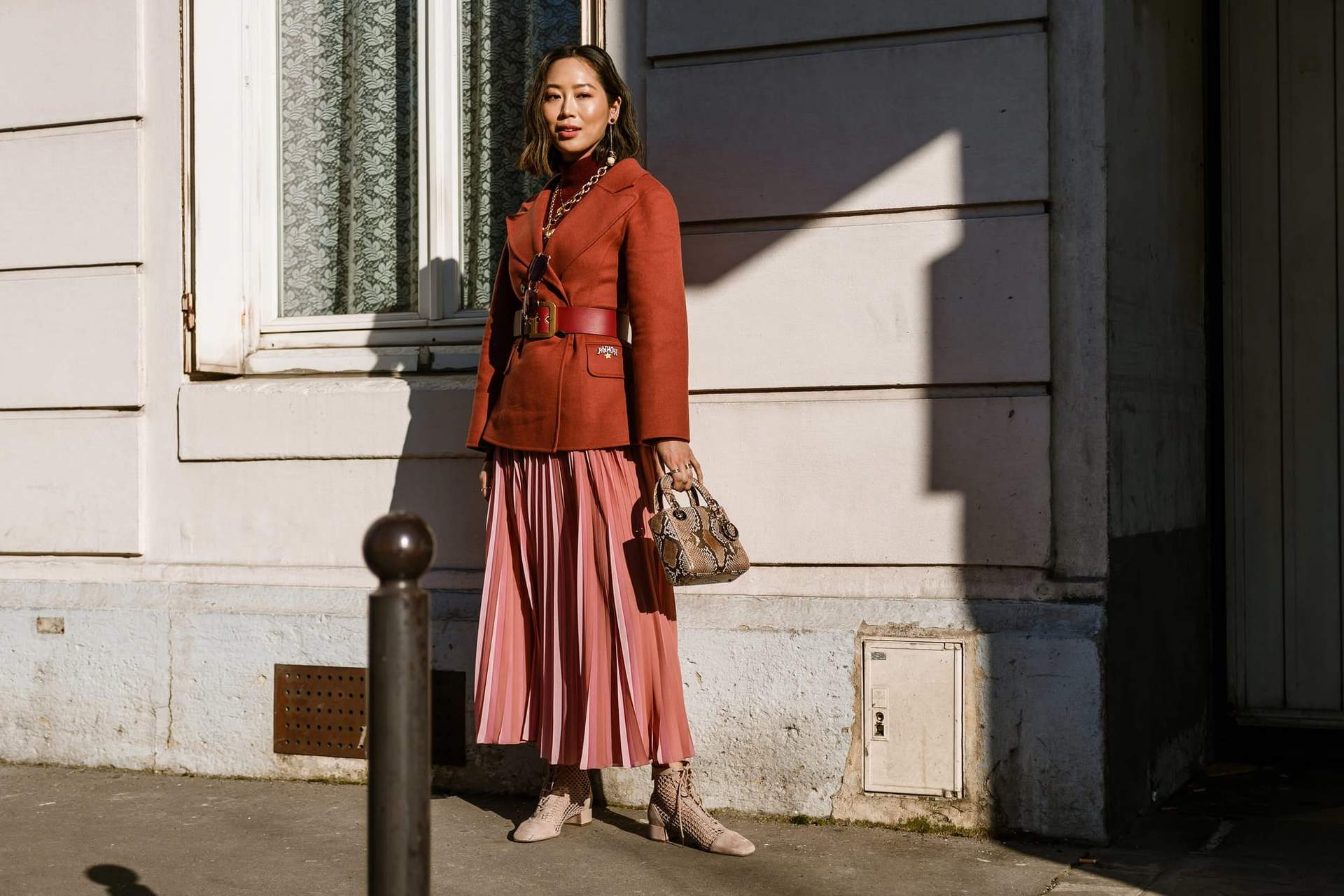
Three jackets, one governing rule: if the jacket is short, let the rest of the outfit be long and fluid, and if the jacket is long or loose, keep what is underneath close to the body. A cropped trench with wide trousers and a flat shoe reads elegant. The same trench with a full skirt and a chunky boot can read like two halves of different outfits.
Sleeve length matters more than people expect. A sleeve that stops at the wrist bone looks deliberate; one that swallows your hand makes even an expensive jacket look borrowed. Sleeves are one of the cheapest things a tailor can shorten, and it is the single alteration that most transforms a secondhand find. When you are shopping preloved, buy for shoulders and fabric, and treat everything else as adjustable.
What jacket works if I am petite or short-waisted?
If you are short-waisted, avoid anything that draws a hard horizontal line right at your natural waist, which usually means skipping the wide fixed belt and choosing a cropped jacket that finishes lower, at the top of the hip. If you are petite overall, the enemy is volume rather than length: look for narrower lapels, a slightly closer sleeve, and a hem that does not reach mid-thigh, then keep the trouser line unbroken beneath it. A single-breasted style is usually easier to wear than double-breasted on a smaller frame.
Can I still wear a summer dress under a jacket in September?
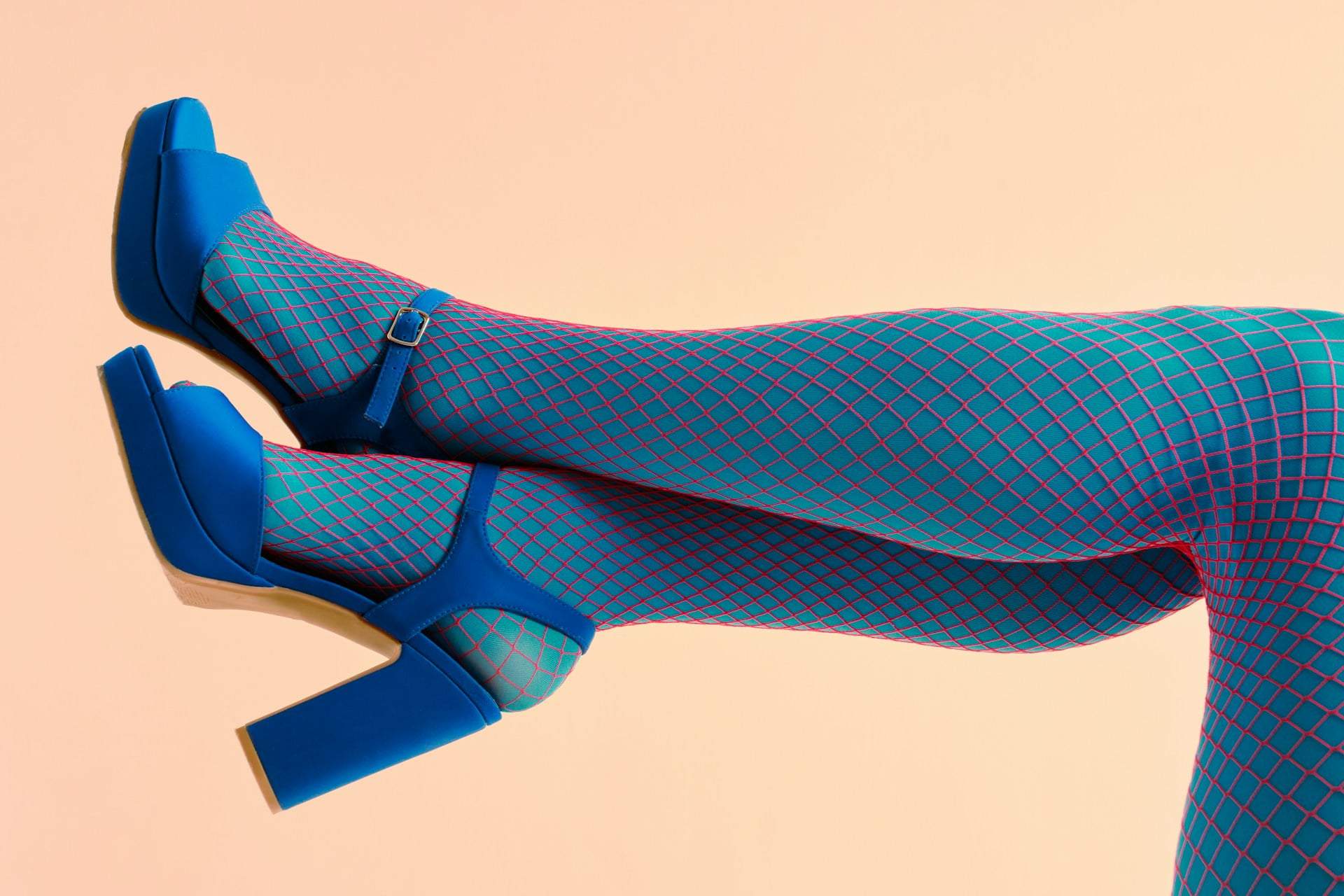
Absolutely, and it is the most economical way to stretch a wardrobe you have already paid for. The trick is to change everything below the knee: swap sandals for a loafer, a boot or a mule with a sock, and add opaque or sheer tights once the mornings turn. A cropped jacket over a floaty midi keeps the dress feeling seasonal rather than left over, especially in a colour that pulls the dress towards autumn — olive, rust, deep navy — instead of fighting it.