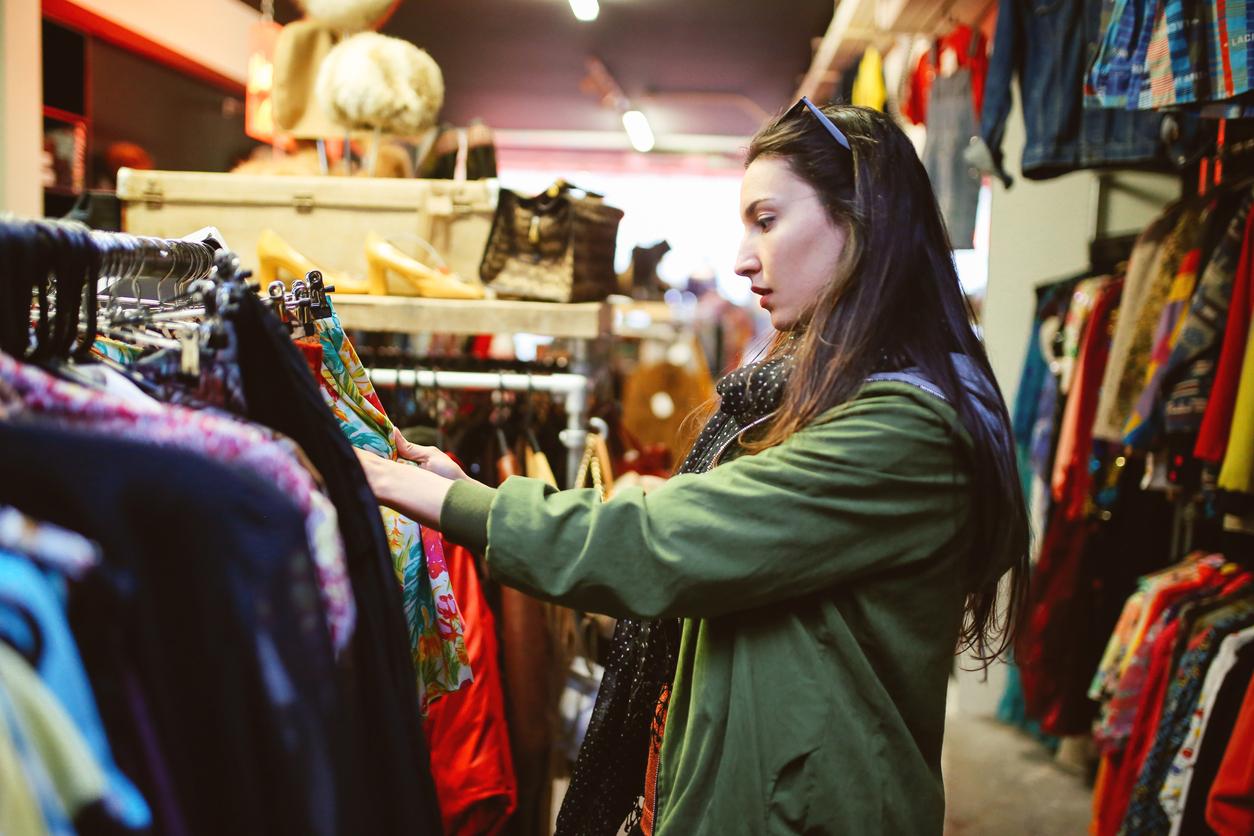
Thrift stores and charity shops can be real treasure troves: budget-friendly, sustainable, and often full of unique pieces. Yet, some items carry more risk than reward when bought secondhand. Interior designers say safety, hygiene, and health should come before a bargain with certain goods.
Before you snap up that suspiciously good deal, check out the 11 items experts told Good Housekeeping to avoid at thrift stores.
Mattresses
No matter how tempting the price, used mattresses are true "invisible hazards." Dust mites, bed bugs, bacteria, and allergens can hide inside, plus their support often wears out. A good night’s sleep is worth more than this risk.
Old Electrical Devices and Lamps
Vintage vibes aside, old electrical devices often have worn-out wiring. An antique lamp or retro kitchen gadget could pose fire or electric shock risks, and it’s almost impossible to tell just by looking.
Everyday Dishes and Glassware
Painted plates, crystal glasses, and old cookware can be beautiful but risky. Before the 1970s, lead content wasn’t strictly regulated, so these items might leach harmful substances—especially if chipped or cracked.
Baby Furniture
An old crib or changing table may look charming, but safety standards keep evolving. Used baby furniture might no longer meet today’s regulations or could have hidden damage.
Car Seats and Strollers
No compromises here. A car seat involved in an accident can be unsafe, and many models have expiration dates. For strollers, hidden cracks and wear can cause problems.
Helmets
Experts also advise against buying used bike or skateboard helmets. After any impact—even if it’s not visible—the inner protective layer likely won’t offer proper protection. Plus, they’re not ideal hygiene-wise.
Plush Toys
As cute as they are, used plush toys can harbor allergens, bacteria, and even bed bugs. Washing doesn’t always solve the problem.
Bedding and Pillows
Sheets, duvets, and pillows are also tough to fully rid of mites and allergens. Good-condition rugs can be a safer textile choice since they can be professionally cleaned.
Damaged Rattan or Woven Furniture
A worn woven chair might look romantic, but repairs can be complex and costly. What seems like a small flaw could turn into a major structural issue.
Wooden Cutting Boards
Bacteria easily settle in wood pores and are tough to remove even with thorough cleaning. Used wooden cutting boards are better suited as decor—not recommended for kitchen use.
Baby Toys
Kids outgrow toys fast, so many parents look for used ones. That’s a smart idea—only if the toy is washable, disinfectable, and free of broken or loose parts.
What to Watch Out For
Many miss the mark when thrifting by not distinguishing between "pretty" and "practical." An old bowl, vase, or lamp can be great decor but is judged differently if meant for daily use. When it comes into contact with food, heat, electricity, or little kids, looks alone aren’t enough.
Thrifting is a fun and mindful choice, but sometimes the risk isn’t worth it. If you’re unsure about an item, trust your gut—and remember: health and safety always come first, even over a great deal.