We all have a unique relationship with food. Some items, like wine or certain cheeses, improve over time when stored properly. Milk, however, belongs to the fresh-and-consumed-quickly club. Even though it’s a staple for many of us, it’s easy to overlook during those frequent fridge raids. But here’s the deal: unlike gourmet cheeses, milk doesn’t become more valuable as it ages. Instead, it can become risky if we don’t pay attention to its shelf life. Sometimes, we might even grab an old carton from the back of the fridge, unknowingly starting a risky adventure with just one sip.
How Can You Tell for Sure That Milk Has Spoiled?
The simplest answer lies in your senses. The most obvious sign is the smell: spoiled milk gives off a distinct, sour odor caused by metabolic byproducts from growing microorganisms.
The texture changes too: thickening or clumping is a clear warning. If the color shifts from its usual pure white to yellowish or another shade, it’s time to seriously consider letting it go, no matter how much you hate wasting food.
What Happens If You Drink It Anyway?
If you do decide to take that chance, be prepared for possible consequences. The most common symptoms affect your stomach and intestines.
Nausea, vomiting, and diarrhea are typical reactions as your body tries to rid itself of unwanted substances.
In severe cases, spoiled milk can cause food poisoning, leading to fever, cramps, and exhaustion. Symptoms vary from person to person, but if they persist, it’s wise to see a doctor.
How Spoiled Milk Affects Your Body
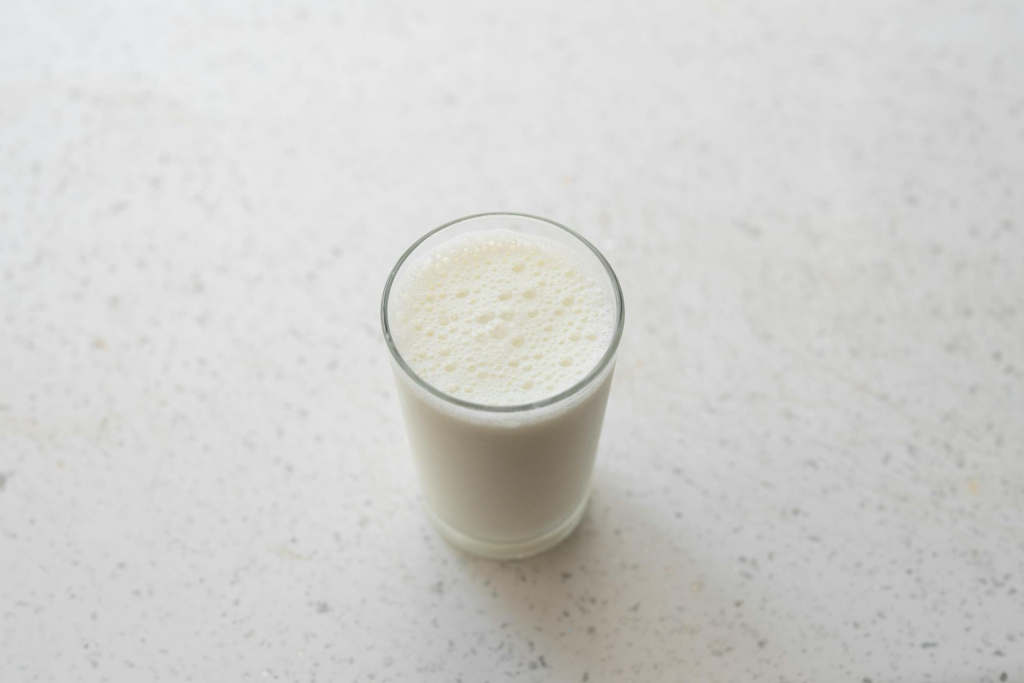
Symptoms from spoiled milk mainly stem from bacteria like Salmonella, E. coli, or Listeria, which can be present if the milk wasn’t stored properly or pasteurized.
These bacteria produce toxins that harm your digestive system and can cause serious health issues. People with weaker immune systems, seniors, and pregnant women are especially vulnerable, so extra caution is key.
What to Do If You’ve Taken a Sip?
If it’s already happened, listen to your body’s signals. The best advice is to drink plenty of water to help flush out toxins.
Activated charcoal can also help by binding toxins and aiding their removal from your system.
If symptoms are severe—like prolonged diarrhea, fever, or sharp stomach pain—seek medical help immediately, as these may require professional treatment.
How to Prevent Milk from Spoiling
Proper storage is key to keeping milk fresh. Always store dairy products in the coldest part of your fridge, and keep the temperature below 5 °C (41 °F).
Check expiration dates regularly and choose the freshest products when shopping. Avoid leaving milk at room temperature, as this speeds up bacterial growth.