Colors influence our daily lives, moods, and emotions, but few consider that the colors of walls also have a significant impact on our health. It is truly astonishing that a single shade can not only affect the atmosphere of an interior space but also significantly influence our physical and mental well-being.
The Psychology of Colors
The psychology of colors is an increasingly popular research field that examines the mental and emotional effects of different shades. It is not just about whether a color is liked or not, but about what feelings it evokes in us. For example, blue is widely known to suggest calmness and peace, while red often increases our energy levels and can even evoke feelings of aggression.
The colors used in our homes can therefore affect our mood, which over time can cause physical symptoms. The question arises whether these very shades could be responsible for certain health problems, such as stress or sleep disorders?
Restless Red and Strengthening Blue
Although red can evoke exciting and passionate feelings, when used in living spaces over a longer period, it can increase stress levels and cause tension. It can also accelerate the heartbeat, which is particularly problematic in rooms where we should rest and regenerate, such as the bedroom.
In contrast, blue walls emit calmness and harmony and may even help concentration. However, too much blue can induce a depressive mood and create a cold, harsh effect, which over time also negatively affects mental state.
Energy-Emitting Yellow and Balancing Green
Yellow is often associated with joy of life and creativity, but in this shade, especially in excessive amounts, it can also trigger irritation and anxiety. Used in the living room or office, it can be inspiring, but it is not recommended for rooms intended for sleeping.
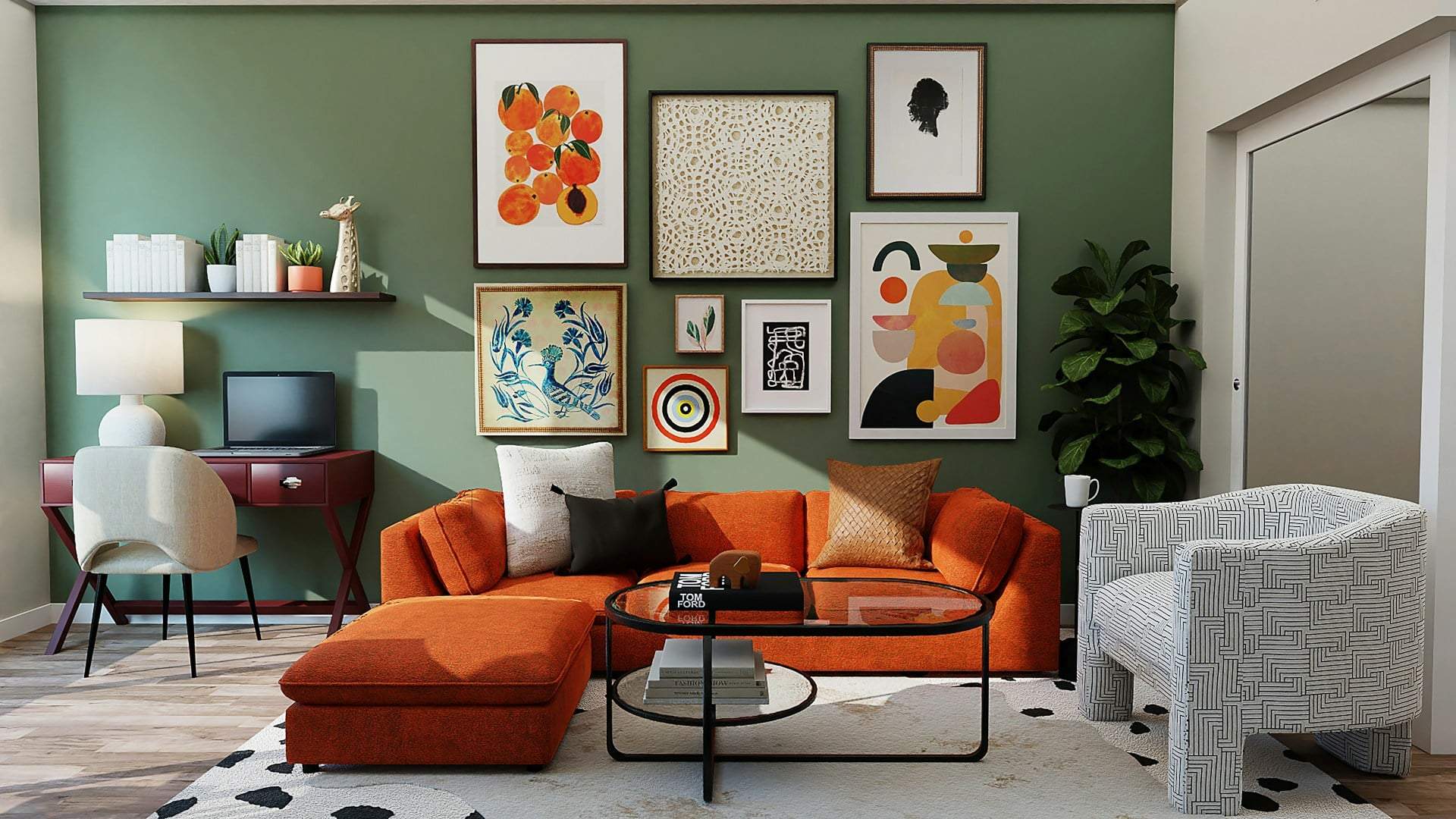
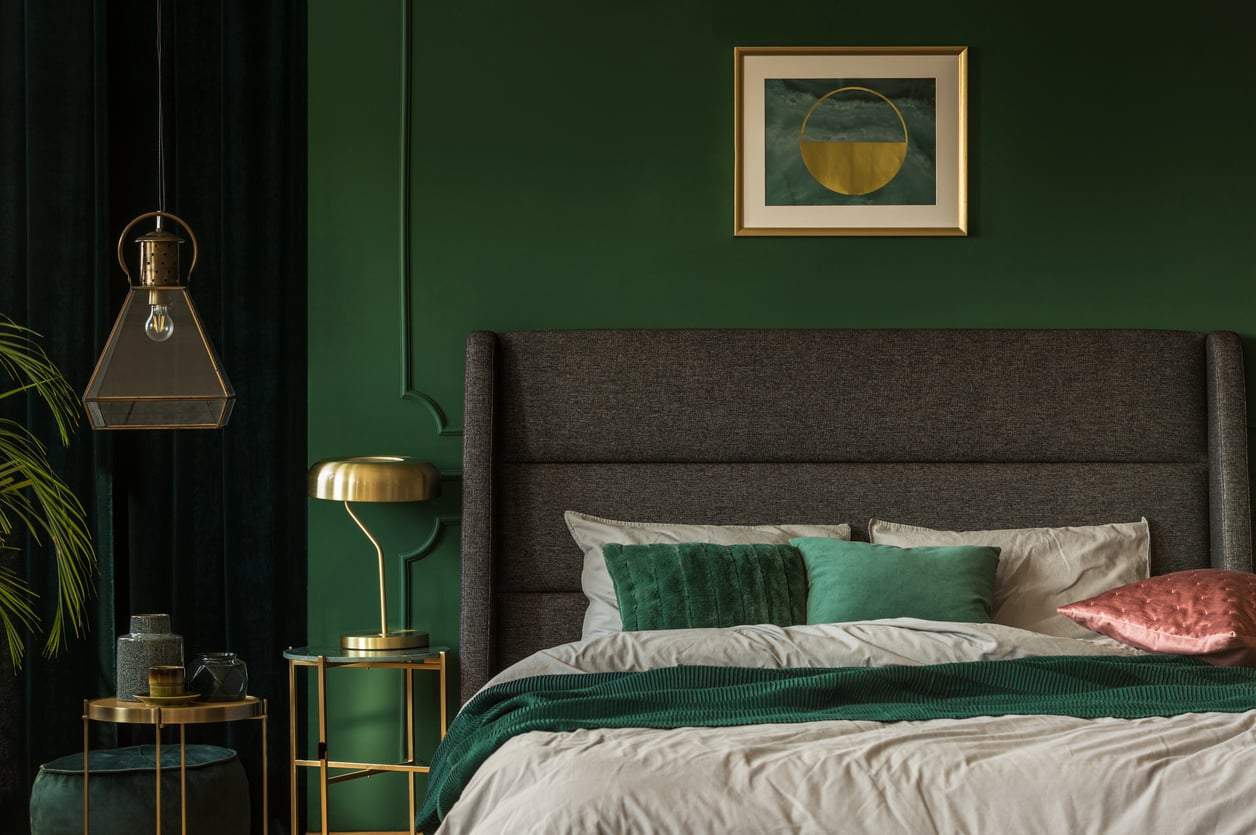
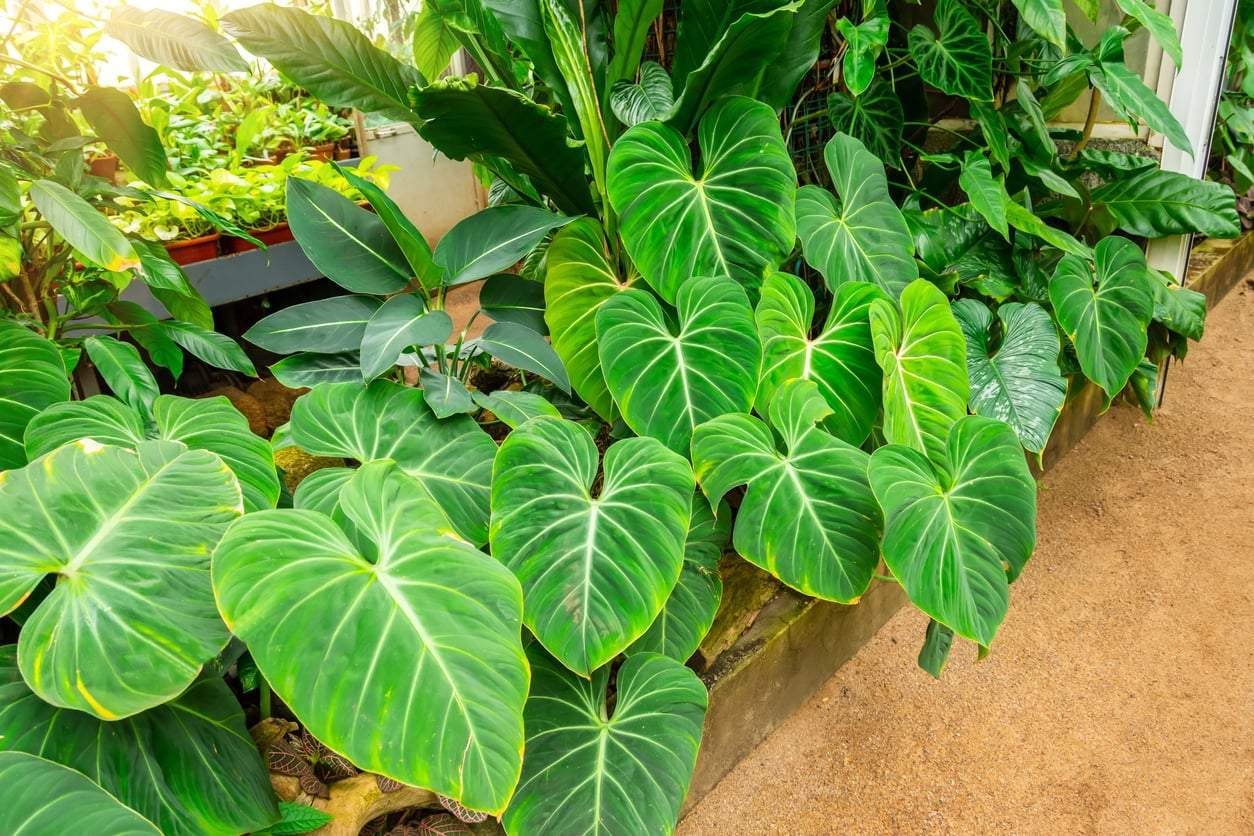
Many consider green a natural relaxant. This shade can promote relaxation and rest, but overly bright green shades can have a stimulating effect, which is not always desirable, especially in sleeping areas.
The Effects of Neutral Colors
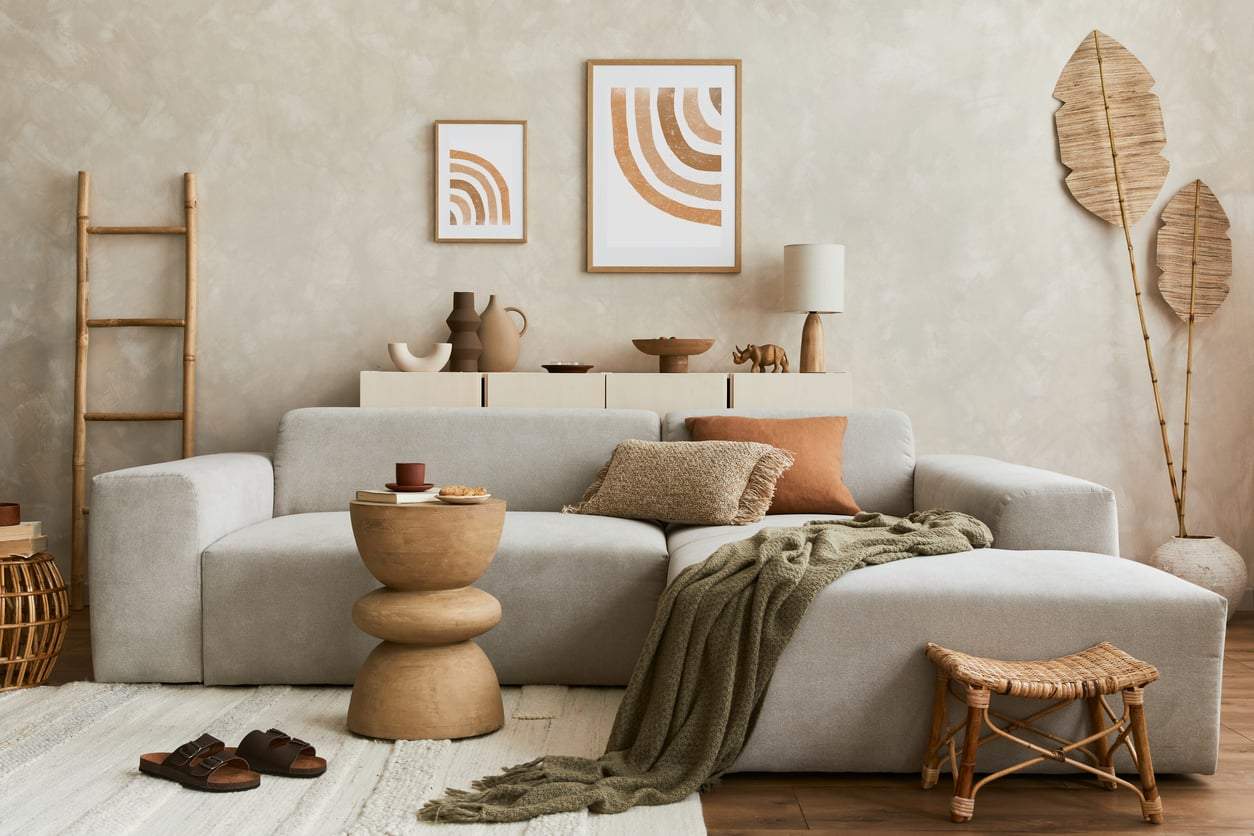
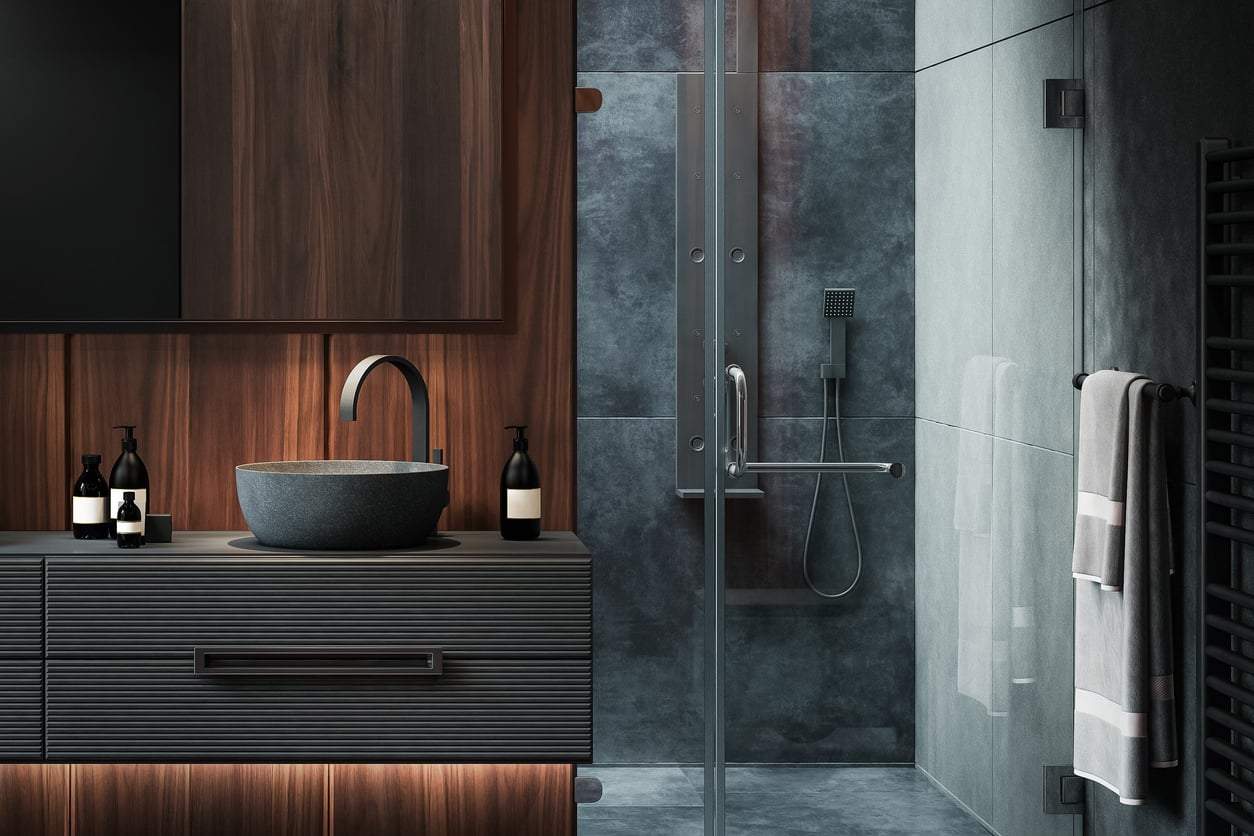
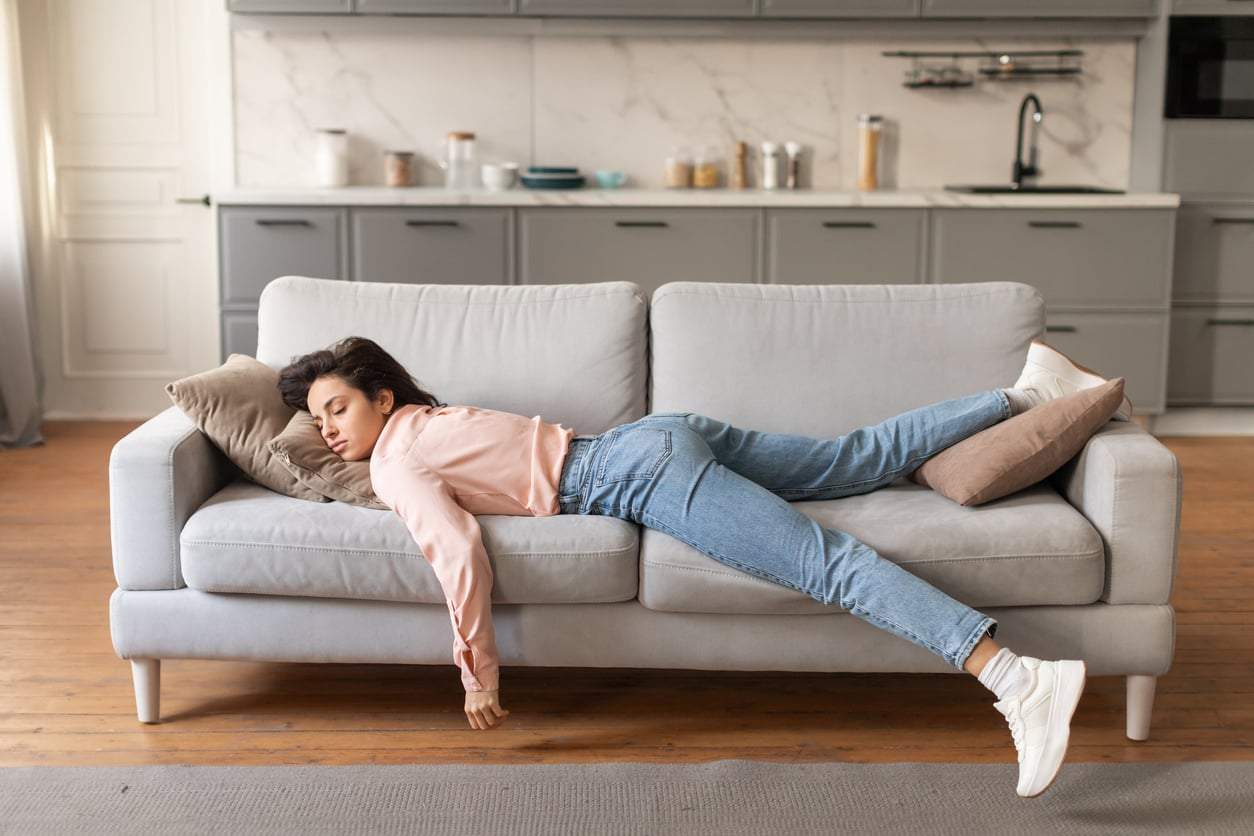
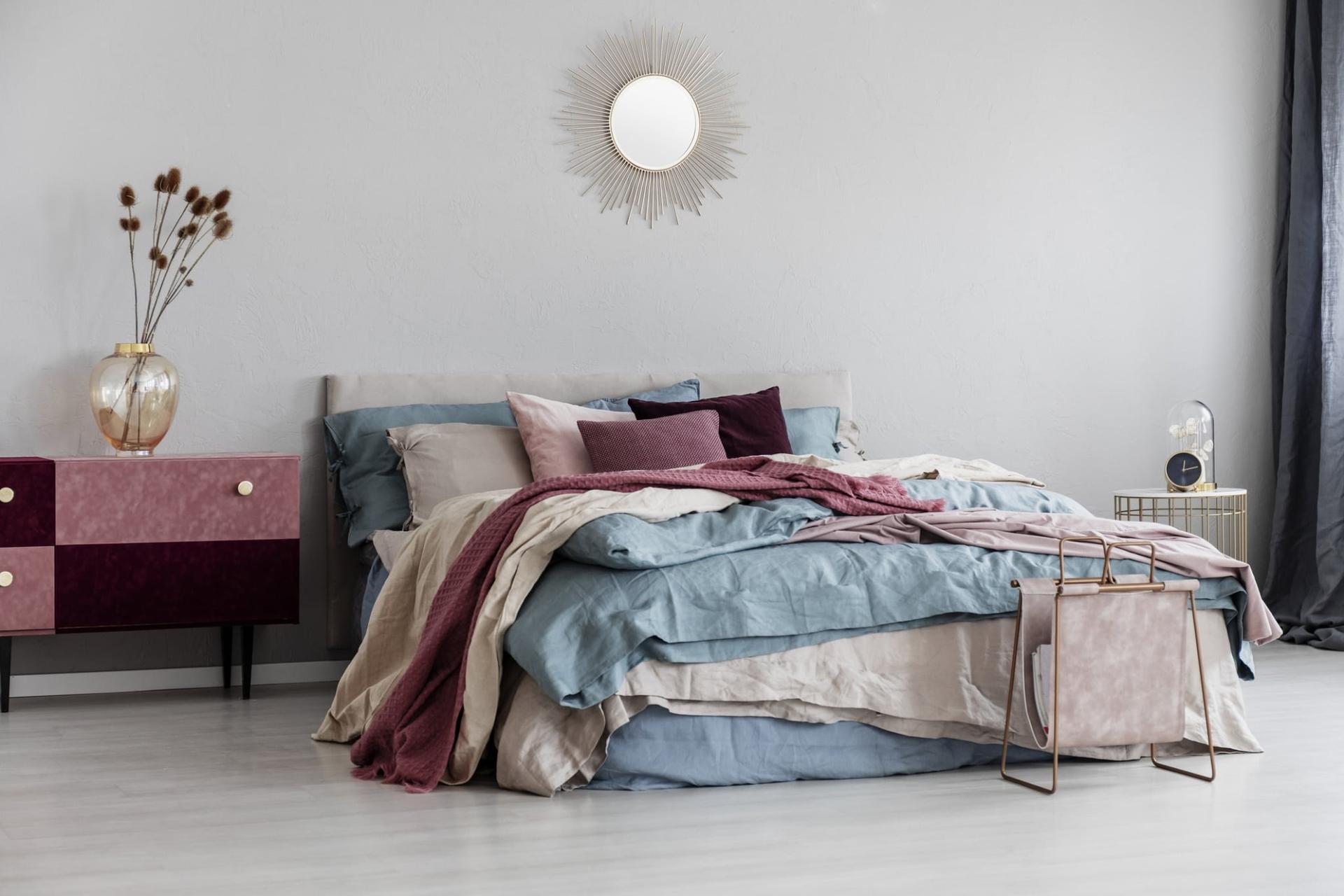
Gray and other neutral colors are popular choices nowadays, but they should be used with caution. These shades are elegant and timeless but also emotionally neutral, which over time can lead to apathy or lack of motivation. Such colors can create rigidity in the atmosphere of a home.
If you choose neutral colors, it is important to carefully consider which accessories and decorations can soften their restraint. This way, you can ensure that your home does not become cold and retains a varied and stimulating environment.