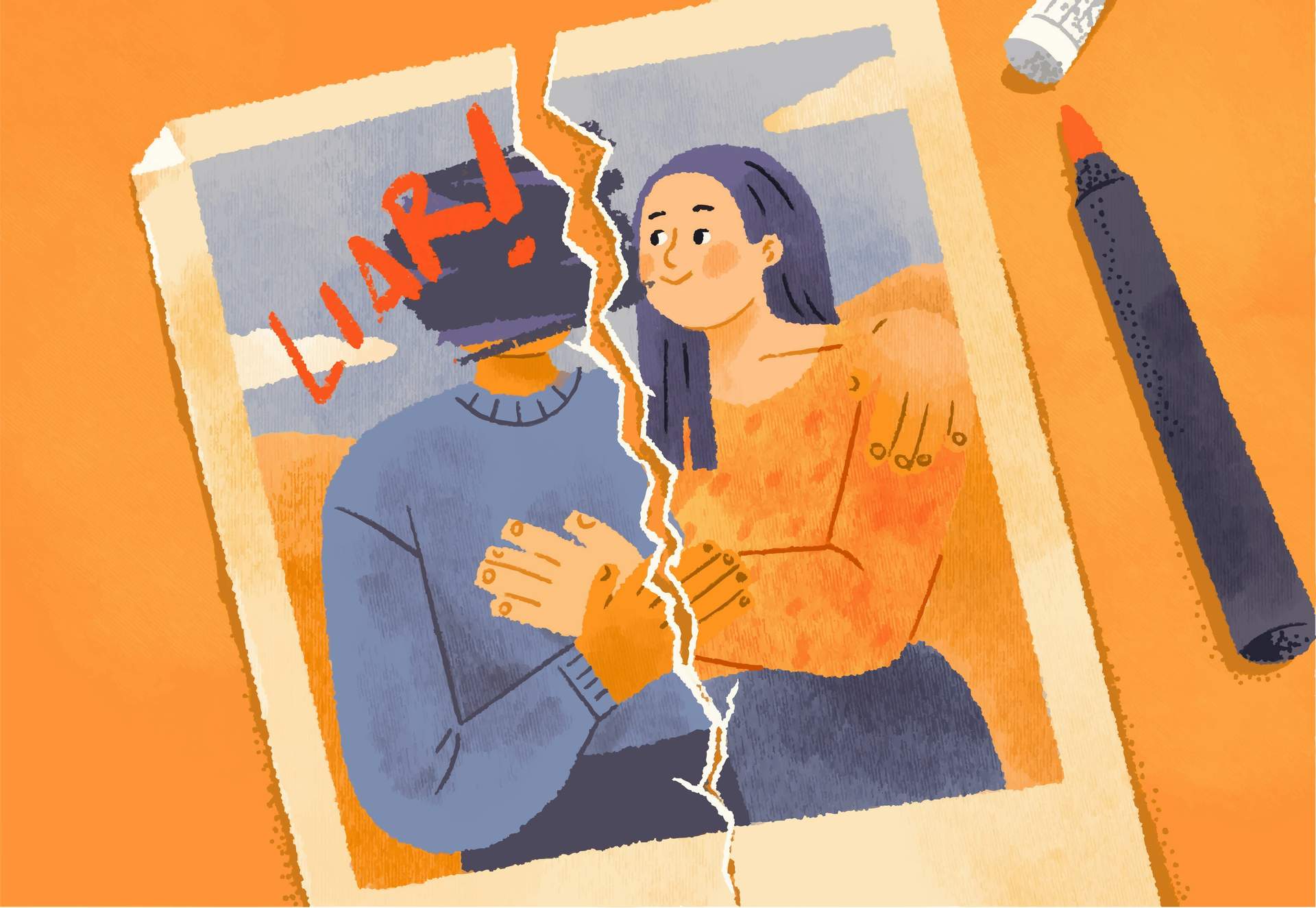
1. Narcissism
Narcissistic Personality Disorder (NPD) is a specific diagnosis defined by a need for admiration and a lack of empathy. Lately, many people online label any harsh behavior as narcissistic without realizing that a proper diagnosis requires a long-term and deep pattern.
No one can diagnose NPD from a 60-second video showing or summarizing someone’s behavior. Using “narcissism” or “narcissistic” in these cases is, at best, speculative.
2. Boundaries
Setting boundaries is a vital part of all our lives. In therapy, it’s a success when we can clearly communicate our needs and tell our partners, friends, or family what we require and whether current circumstances meet those needs.
But people often overlook the other side of the puzzle and focus only on their own desires: if we set boundaries based solely on our needs, it can turn from healthy communication into self-centeredness.

3. Trauma
Some have embraced the concept of trauma strongly, connecting it to their own lives. Psychologists increasingly see people calling normal experiences “trauma”, which can actually make healing harder.
Experts recommend that if you’re struggling to cope or process an injury, instead of self-diagnosing, reach out to a mental health professional. The right therapy can uncover the root of the problem and guide you toward healing.
4. Attachment Styles
Attachment theory explains how our early bonds with caregivers shape how we relate to others as adults. Knowing your attachment style can help you navigate relationship challenges.
Some use their attachment style to justify certain behaviors. It’s a tool for better self-understanding, naming and overcoming fears, and building healthier relationships. It’s a path to growth and sometimes explanation—but never an excuse to hurt or disrespect your partner’s boundaries.

5. OCD
Like bipolar disorder, Obsessive-Compulsive Disorder (OCD) is a clinical diagnosis. It’s a chronic condition marked by uncontrollable, recurring thoughts and behaviors. The thoughts are called “obsessions,” and the behaviors are the “compulsions” that define the diagnosis.
But, like narcissism, many casually label a single action or habit as “OCD.” Using OCD to describe certain behaviors without a diagnosis is not only inaccurate but can also stigmatize those who truly live with this serious clinical condition. OCD is much more than just liking to keep notebooks tidy on a desk.