Lately, I’ve often wished for a magic wand that knows it all—or at least a fresh guidebook for my child. More than once, it felt like my tried-and-true strategies simply ran out overnight. The “consequences” and solutions that worked almost effortlessly for years now just bounce off. Sometimes, it even felt like a completely different kid came home from school than the one I sent off that morning.
This early teen phase is a true rollercoaster. One day it’s attitude, backtalk, zero chance of cooperation or understanding; the next, out of nowhere, I get back that sensitive, kind, attentive little girl I’ve been raising. It’s like she’s constantly moving closer and farther away, while I stand there as a mom, trying to figure out where we really stand.

It’s Not Me, But It’s Not Just Them Either
While searching for survival tips, I came across research that hit me hard but also comforted me—it’s normal to feel this way. Experts analyzed thousands of moms’ experiences and found that one of the toughest emotional phases for parents isn’t newborn days or letting go after adulthood, but rather when kids are between 10 and 15 years old.
Moms report the most stress, loneliness, and low moods during this stage. Successes feel fewer, and encouraging feedback like “don’t worry, you’re doing great” becomes rare. That’s especially tough because so much energy goes into connecting, managing conflicts, and trying to stay present in our child’s life.
From Sweet Kid to Sassy Early Teen
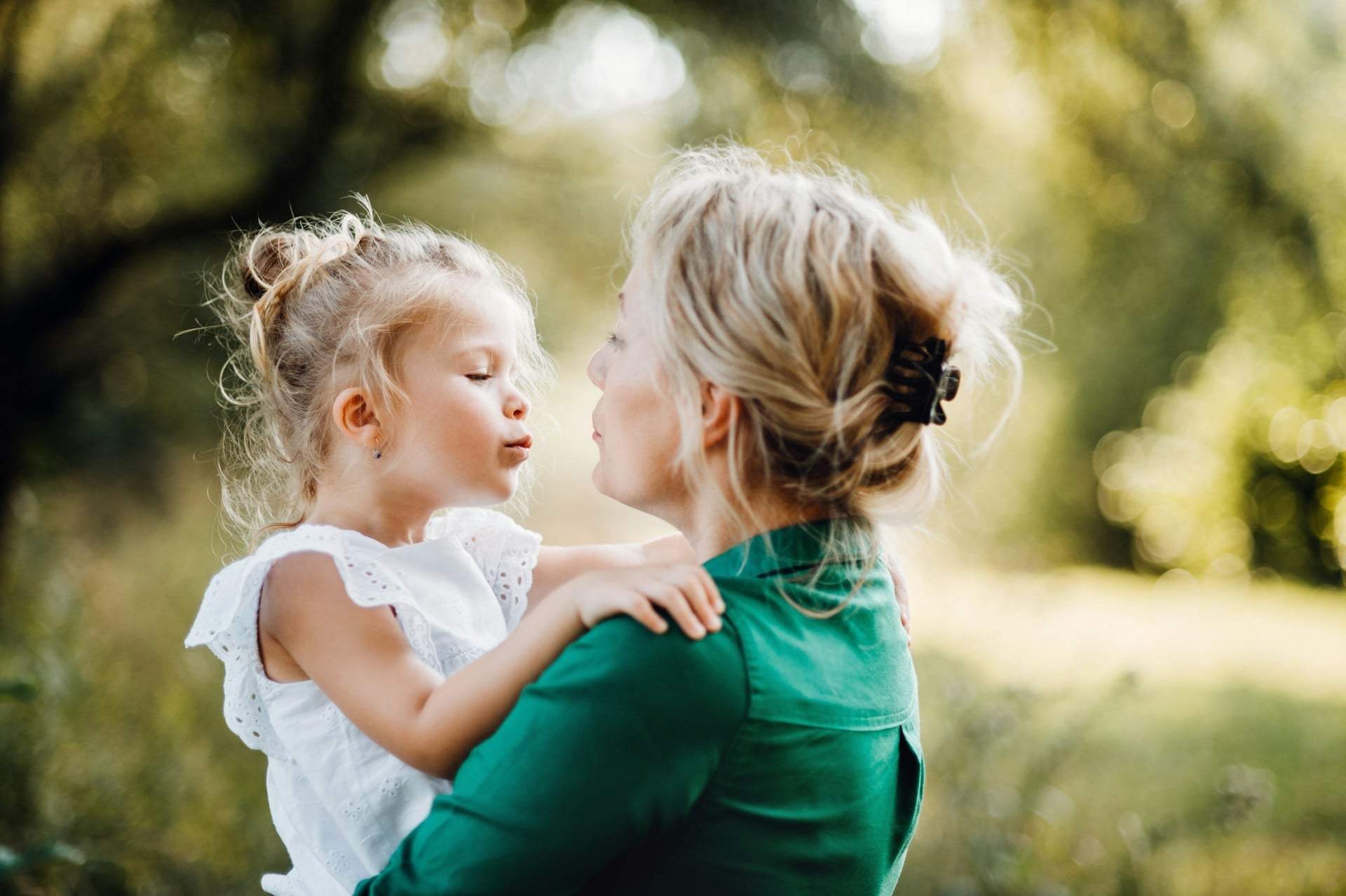
This period is tough for many parents because the changes feel incredibly sudden. Yesterday, bedtime meant stories and cuddles; today, they retreat silently and slam the door, shrugging off questions. Hormonal shifts, emotional growth, and peer relationships all hit at once—affecting them and us.
At this age, kids learn how social dynamics work. Friendships deepen or fall apart (in our case, almost daily), exclusion appears, along with subtle—or not so subtle—mean behaviors. Early teens can see others’ perspectives but sometimes intentionally cause pain. Not because they’re bad, but because they’re clumsy and inexperienced in asserting themselves.
As parents, this change is hard enough, but it’s especially tricky when other parents respond from a childlike place: creating scenes while convinced their kid is perfect, always right, and only ever a victim.

Growing Apart Isn’t Rejection
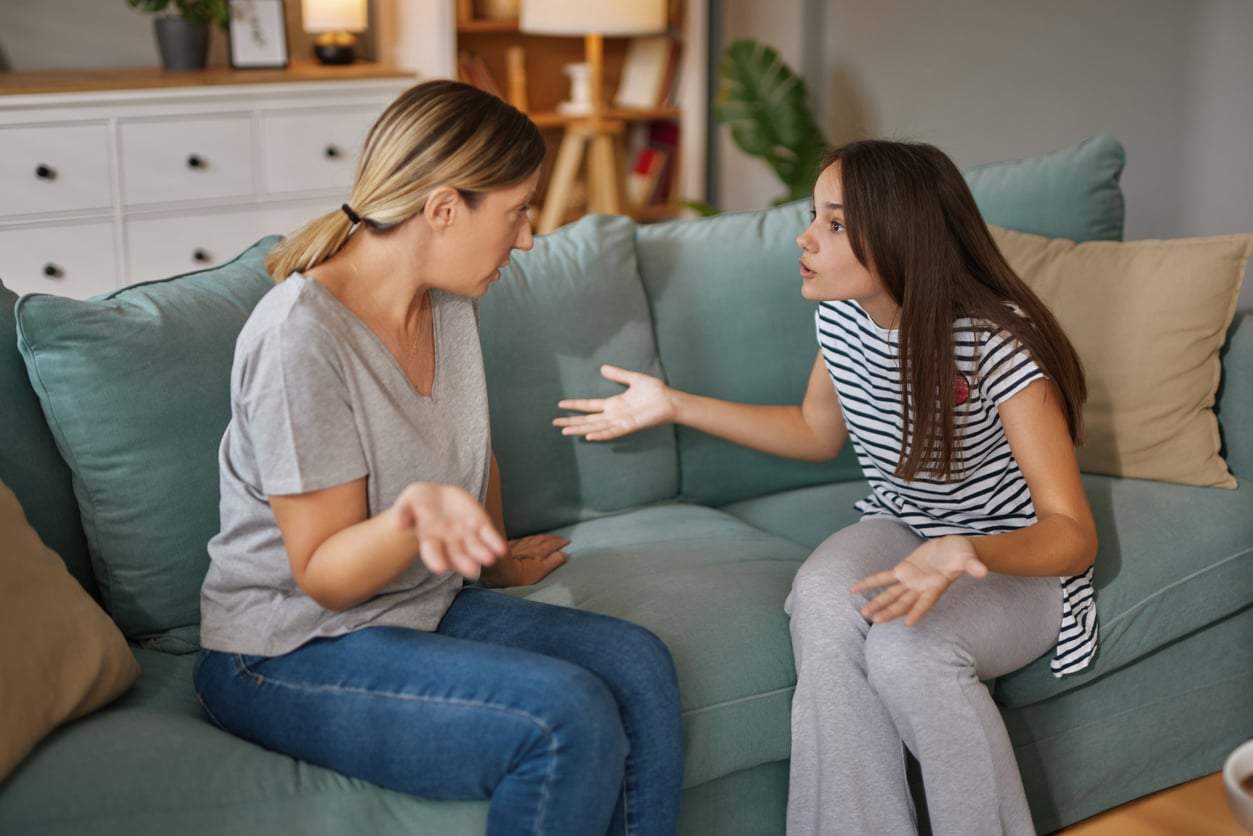
It’s totally normal at this age for kids to focus more outward, finding common ground with their peers while often acting stubborn because of their growing independence. For me, this was strange because we basically skipped the classic toddler tantrums. We always talked things through, and if my daughter saw the logic, she was incredibly cooperative. But now, I keep facing arguments, debates, and sometimes negotiations. At worst (and more often), I have to remind her that I’m still her mom and that I’m the one making most decisions for now.
Here’s a comforting thought: this is really about kids wanting to see themselves as capable, smart, and able to decide. It can be nerve-wracking for us, but it’s a sign their thinking and emotional self-regulation are growing.
As a Mom of a Daughter, I Feel This Dynamic Strongly
We often have more conflicts because our daughter knows exactly where to press our buttons—points we didn’t even realize were sensitive. Many times, situations only made sense later: through family constellation work or individual therapy, I understood why I reacted the way I did. With that insight, I could turn the toughest moments around. I accepted that my daughter heals simply by growing up, while also inviting me to self-awareness (though I’d rather say she kind of forces me).

If your relationship with your own mom was difficult, this phase can be even more painful. Unspoken feelings and old wounds and traumas can easily resurface…
I once read that a key—somewhat provocatively put—purpose of adolescence is for parents and kids to grow apart enough so they don’t want to live under the same roof long-term. This pushes kids toward independence, starting their own lives and families. It’s at least thought-provoking, and sometimes even comforting.
But there’s still time before that, and in the years ahead, I’ll probably need to learn many new skills. Including understanding that parental support isn’t about control but about staying by our child’s side while they’re still learning to manage themselves. We watch, ask questions, set boundaries and limits, but also give space. This quiet growing apart isn’t a “breakup” but more like a breath of fresh air that lets me see myself again—from a whole new perspective.