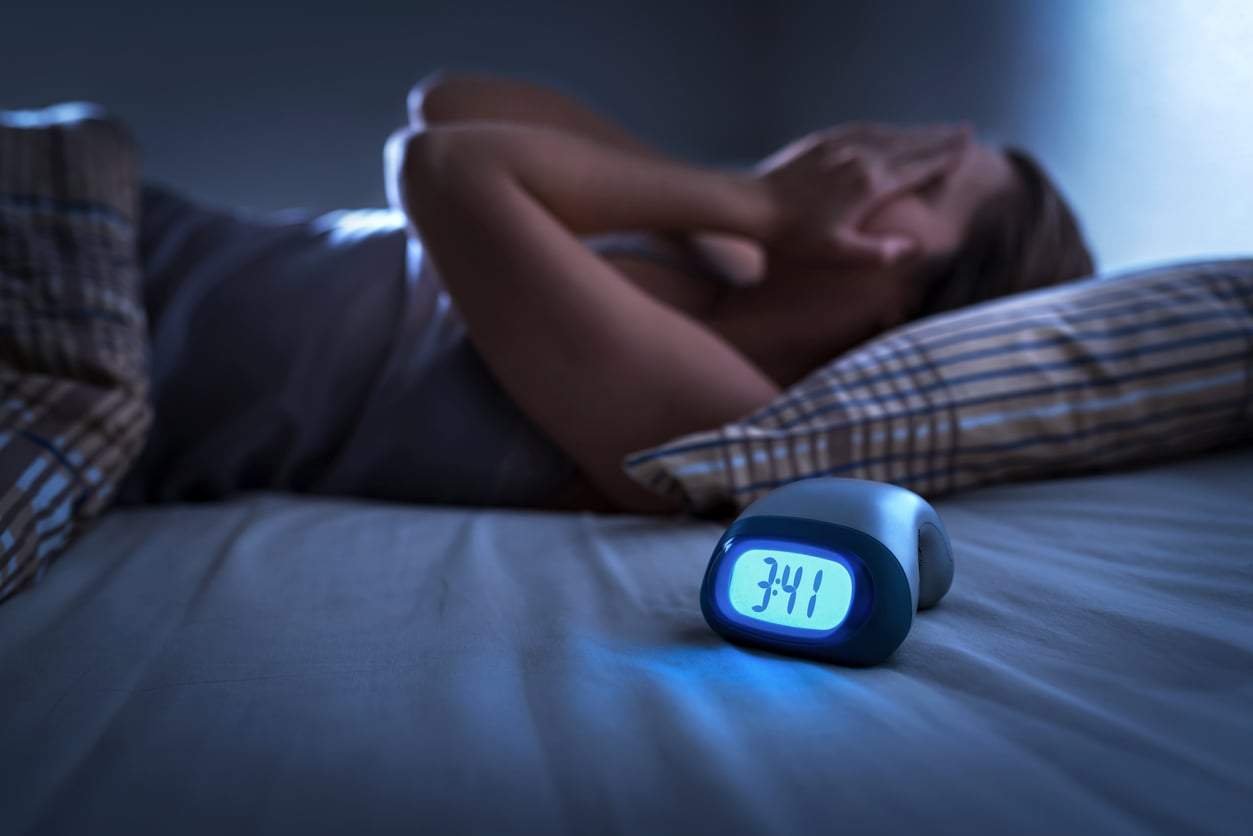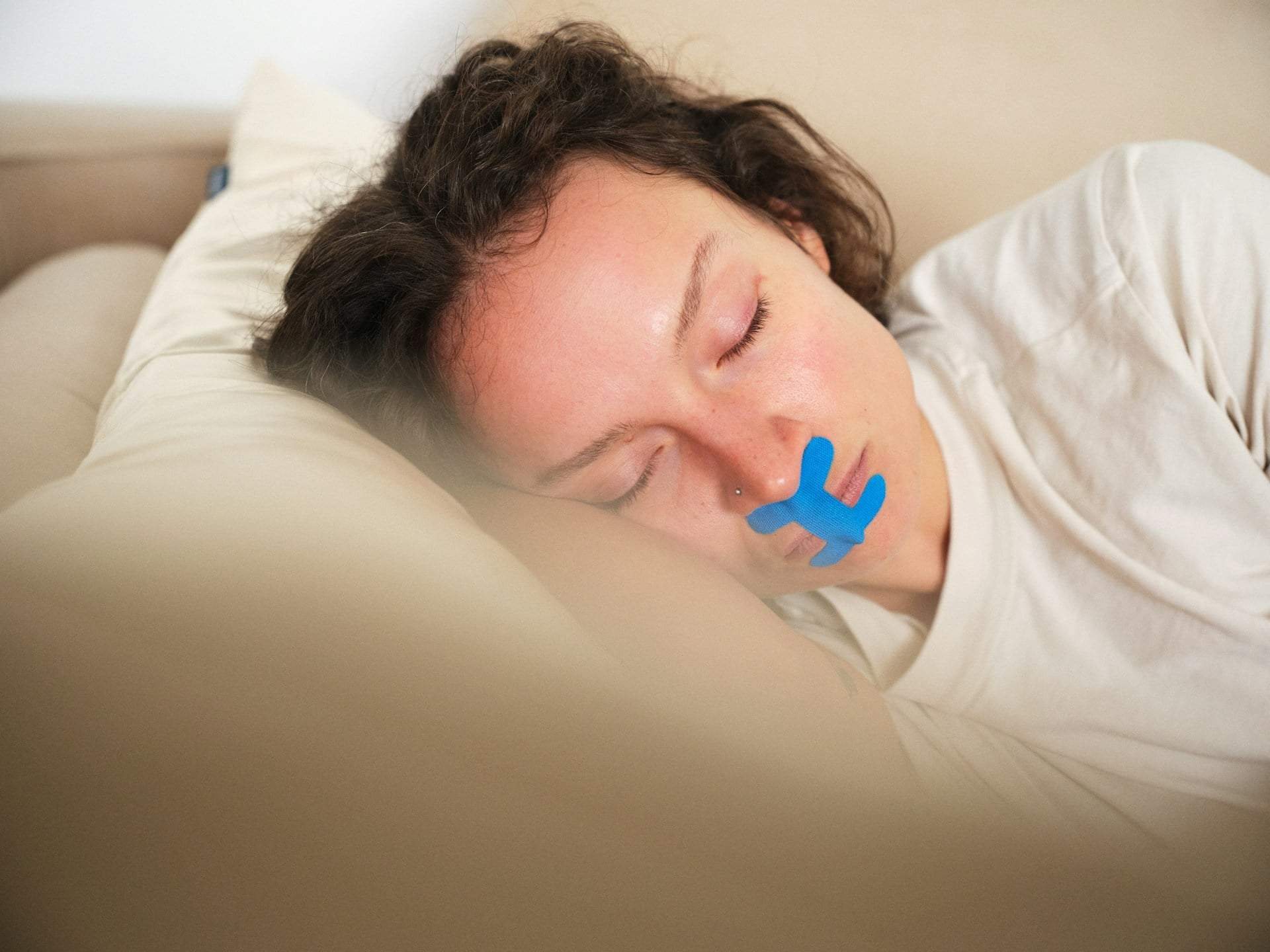
Most people blame poor sleep on stress, too much caffeine, or late-night screen time. But dentists are pointing to a cause that's far closer — quite literally inside your mouth. And it's more common than you'd ever expect.
Many people have no idea they grind their teeth at night. They wake up with a dull headache, a stiff jaw, and a bone-deep tiredness that a full night's sleep somehow failed to fix. The connection never crosses their mind.
Teeth grinding — known clinically as bruxism — is one of the most common sleep-related problems dentists see every single day. Most patients have no clue they're doing it.
When your jaw works through the night, the constant muscle tension prevents your body from fully relaxing. That means no deep sleep, no real recovery — just hour after hour of restless, shallow rest.
But bruxism isn't the only culprit. The position of your jaw and teeth directly affects the size and shape of your airway. If you snore regularly or struggle with sleep apnea, the answer may not be found at a sleep clinic — it might be sitting in the dentist's chair. A misaligned bite or a jaw that sits too far back can narrow the airway, interrupting your breathing dozens or even hundreds of times a night without you ever realizing it. You wake up exhausted, chalk it up to work stress, and the cycle continues.
What you can't see in the mirror — but your dentist can spot in minutes
The signs of teeth grinding aren't always obvious. There's no pain, no bleeding, nothing that jumps out at you. But an experienced dentist can read the clues almost immediately: worn enamel, hairline cracks on the tooth surface, overdeveloped muscles along the jaw. These are all quiet confessions your mouth is making while you sleep.
The connection between the condition of your teeth and the quality of your sleep is far closer than most people ever suspect.
Stress is one of the most common triggers for bruxism — and this is where things get vicious. Stress causes grinding, grinding ruins sleep, and poor sleep makes you more stressed. It's a loop that's hard to escape. Often, a simple dental intervention is what finally breaks the cycle and brings the first real relief.
One question worth asking at your next appointment
If you regularly wake up tired, feel pressure in your jaw in the morning, or notice that your headaches tend to hit hardest right after you get up, it's worth bringing it up with your dentist. You don't need a specialist referral or an extensive workup — just one question: "Can you see any signs that I might be grinding my teeth at night?"
The answer might genuinely surprise you. Many people discover they've been doing it for years without any idea.
The solution is often simpler than you'd think. A custom-fitted night guard — a small dental splint worn during sleep — gives the jaw somewhere to rest and allows the body to actually recover overnight. It's a minor intervention, but people who've tried it often describe the difference as transformative.
Maybe better sleep doesn't require a new mattress, a magnesium supplement, or a guided meditation routine. Maybe it just takes one question you've never thought to ask your dentist.