If you’ve spent the past few years thinking “I’ll get myself together someday”, here’s some good news: you’re not alone. And 2026 is all about supporting your body wisely, not pushing it harder. TikTok is full of miracle hacks and quirky gadgets, but not everything is worth your time or money. Below are the trends that are truly making waves now, backed by at least some solid logic.
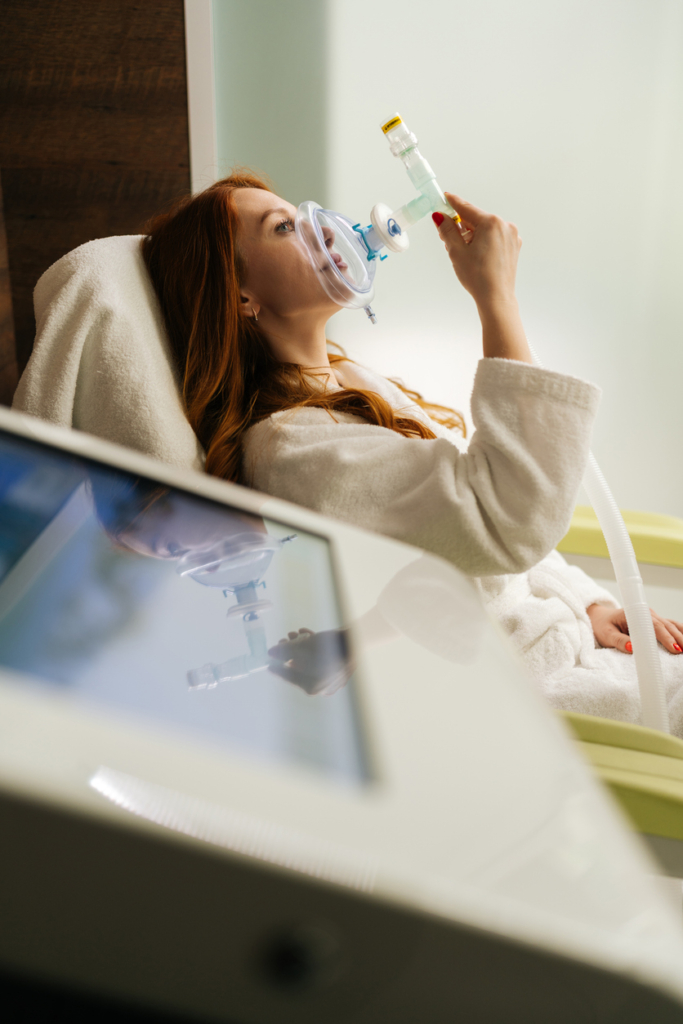
Hyperbaric Oxygen Therapy: A Submarine Experience with Extra Oxygen
Imagine lying inside a sealed capsule, wearing an emergency airplane mask, and breathing 90–95% pure oxygen. Hyperbaric Oxygen Therapy (HBOT) aims to help your body regenerate faster, reduce inflammation, boost energy, and sharpen focus. Fans include athletes, recovering patients, busy entrepreneurs, and women navigating hormonal ups and downs. The experience feels a bit like sci-fi wellness. At first, the pressure feels strange (many wonder, “Is my ear about to pop?”), then calm and alertness set in, along with a unique sensation that your body isn’t just surviving—it’s repairing itself.
DIY at home: You won’t get an HBOT chamber in your living room, but you can mimic the logic: take more walks outdoors, breathe through your nose, do light cardio, and improve your sleep. It’s less flashy, but your body will say, “Thanks, I’m finally getting fresh air.”
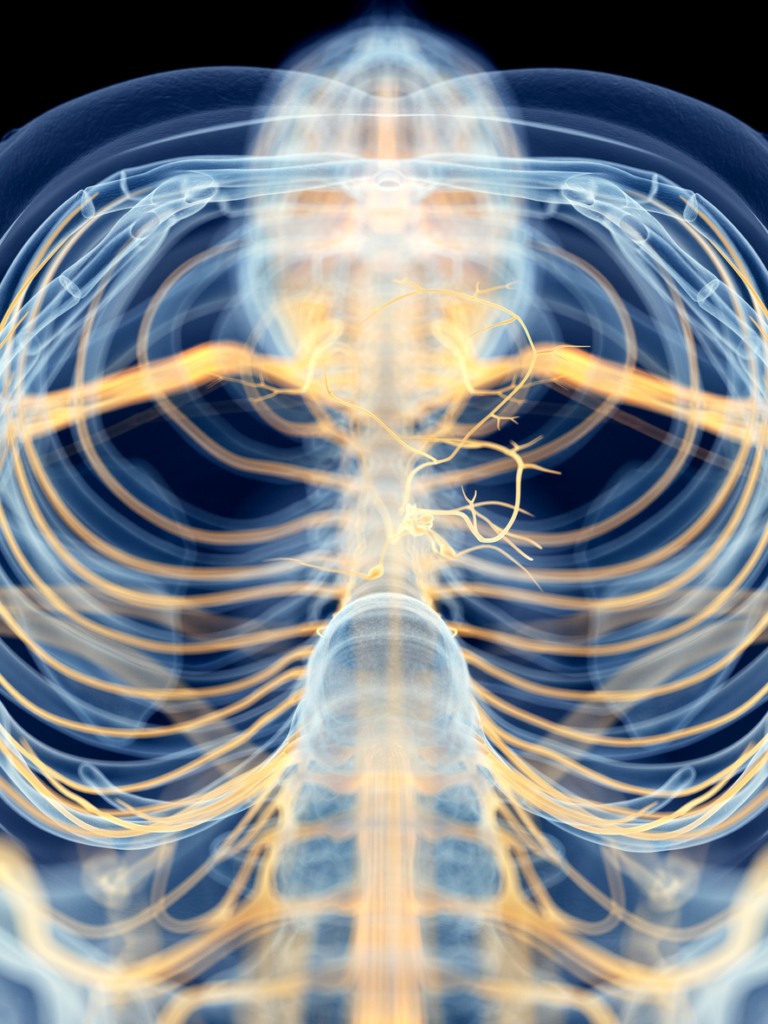
Vagus Nerve Stimulation: Your Nervous System’s “Chill Button”
The vagus nerve is a major boss in your body, connecting your brain to your internal organs and influencing stress responses, digestion, heart rate, and mood. The trend now is tuning this system into rest-and-digest mode using various methods. There are cool gadgets for this (clip-on ear devices with gentle tingling), but they can be pricey. The best part? You don’t need expensive tools to calm your nervous system.
DIY at home: Try a 2-minute daily ear massage, focusing on the small cartilage at the front of your ear (the tragus). Press gently, release slowly, and be mindful. Adding long exhales or humming is a bonus. It sounds odd, but it works surprisingly well for many.
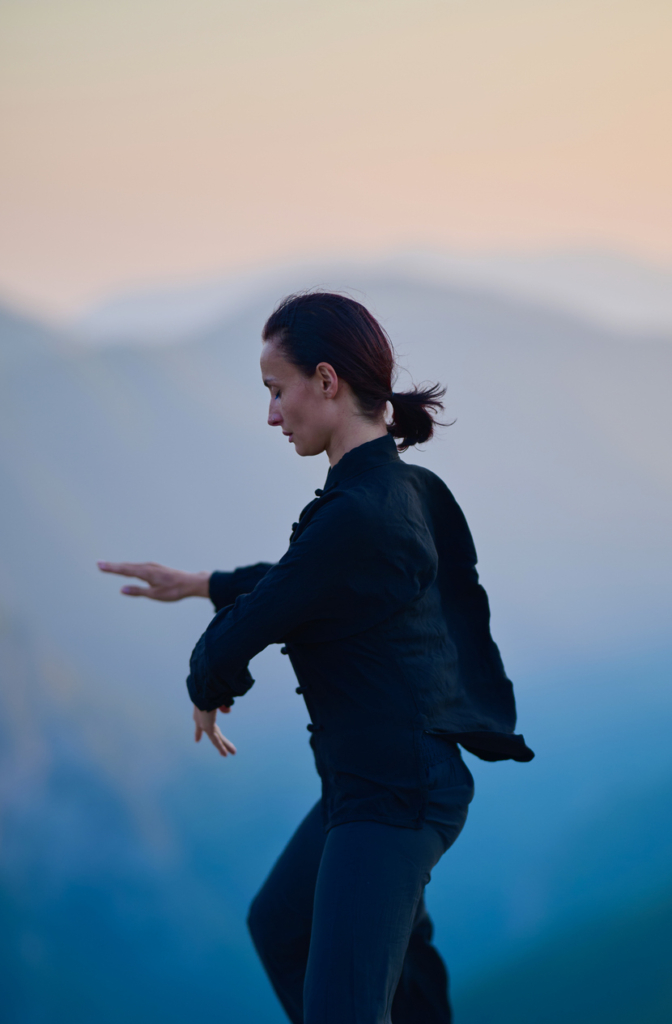
Qi Gong: Slow Movement That Resets Your Mind
Qi Gong isn’t about pushing yourself to exhaustion. Instead, it’s about moving slowly and gently while focusing on your breath, helping your body and mind find balance. This practice is making a comeback because most of us are overstimulated all day—nerves, attention, stress, screens, and constant input. Qi Gong is the perfect counterbalance.
DIY at home: YouTube offers plenty of free beginner routines. Just 5–10 minutes daily makes a difference, especially if your goal isn’t perfection but reconnecting with your body.
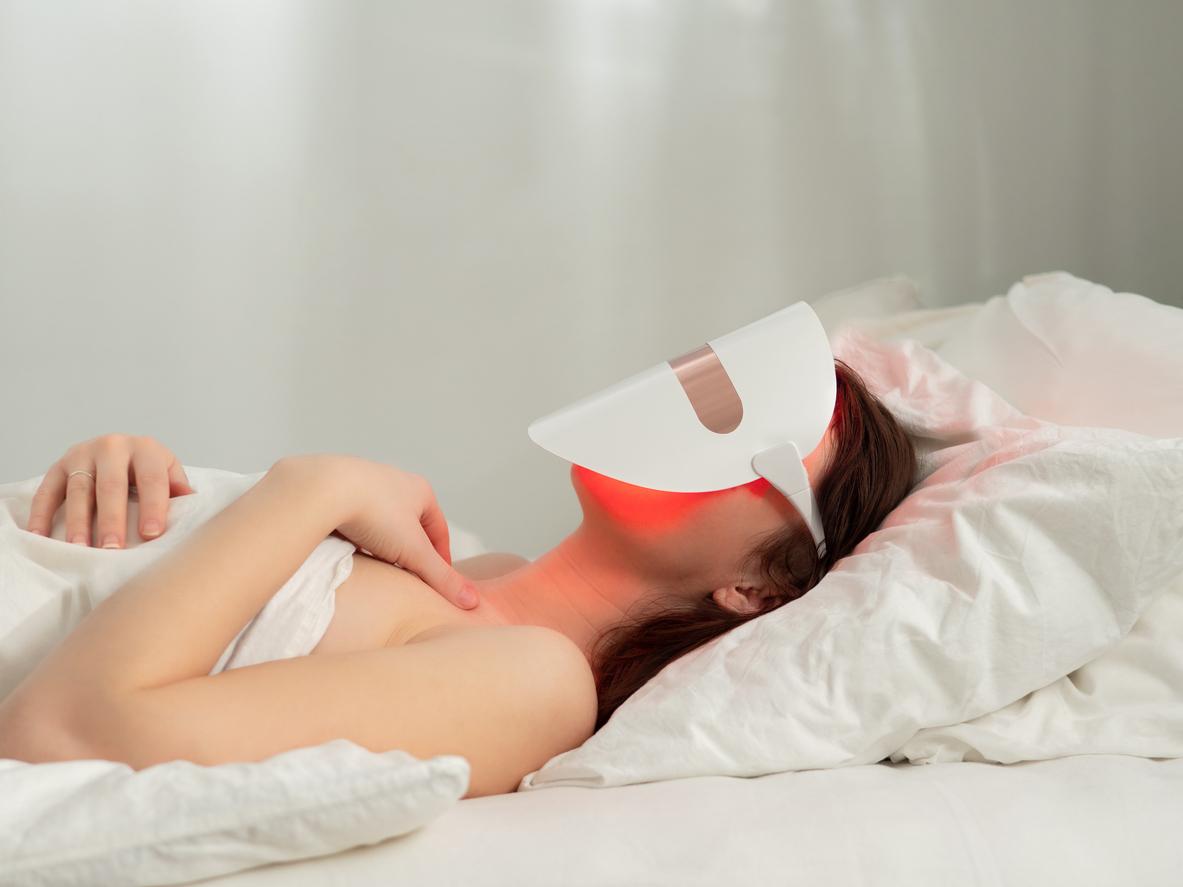
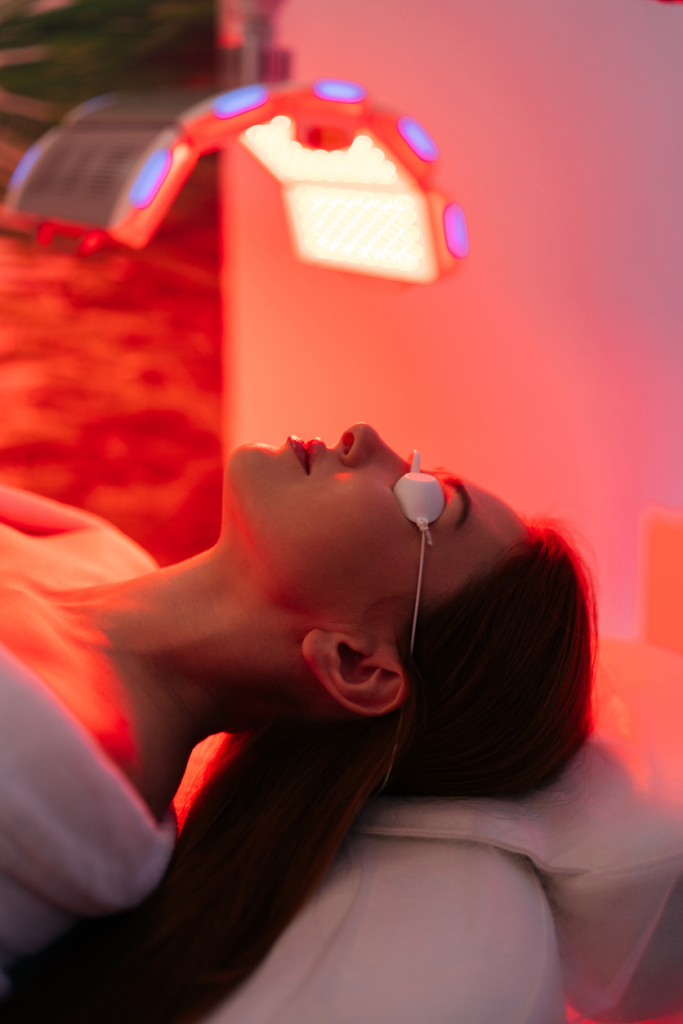
Red Light Therapy: Relax, Get Lit Up, and Even Watch a Show
Red light therapy has surged because you wear a mask that shines red and near-infrared light, which is said to support skin, muscle recovery, mood, and even sleep. Fans report better sleep, clearer skin, and less of that “always tired” feeling after a few weeks. The catch? Devices vary widely in quality, so choose wisely.
DIY at home: If you can’t invest in a device, start by reducing blue light exposure in the evening (phone/monitor) and create a “sunset mode” with dimmer lights and less stimulation. It’s not the same, but your sleep will thank you.
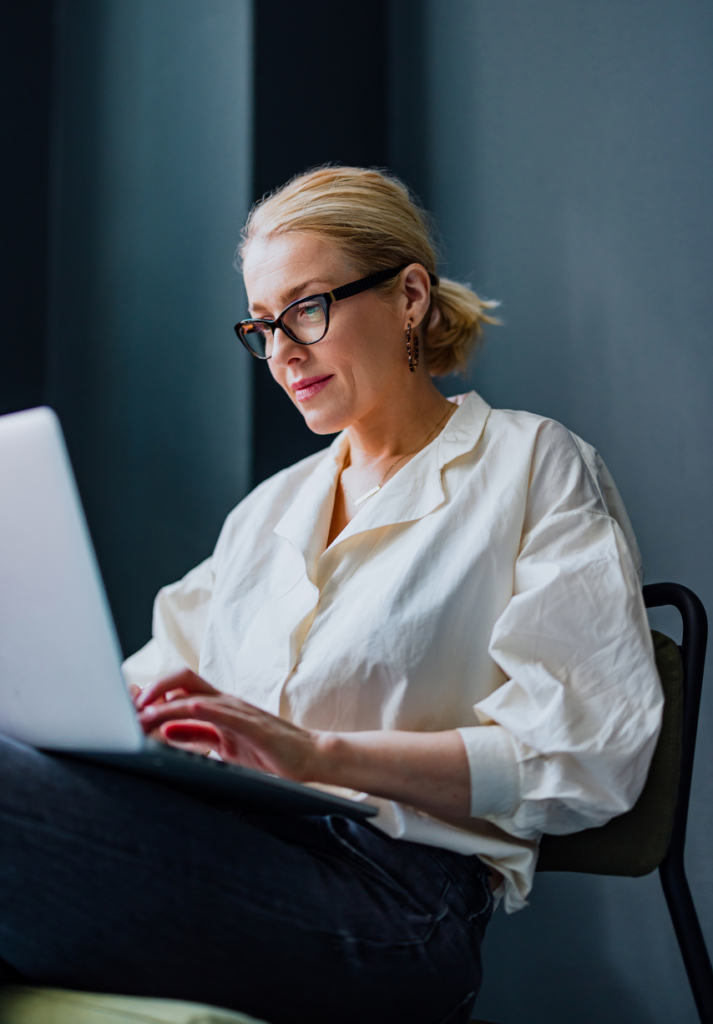
The Power of Posture: Because Laptop Positioning Wasn’t Made for Humans
Since working from home, most of us have gotten used to slouching in front of our laptops, then wonder why our necks, backs, or shoulders hurt. The 2026 posture trend isn’t about forcing yourself to sit rigidly all day but retraining your body to move well. The big shift? It’s not just exercises anymore but smart posture aids and tech. Wearable posture sensors gently vibrate if you slouch too long, reminding rather than forcing you to adjust. Other tools like flexible posture braces or special insoles help your nervous system learn healthier movement patterns during activity. This matters because pain often isn’t where you feel it. Your shoulder might hurt, but your hip is stiff, or your foot isn’t working right, and your whole body compensates. The trend focuses on joints and muscles working together better, reducing pain and tension.
DIY at home: Spend 5 minutes daily mobilizing: hip circles, chest openers, shoulder blade movements, and ankle rotations. Small, boring, but incredibly effective if consistent.
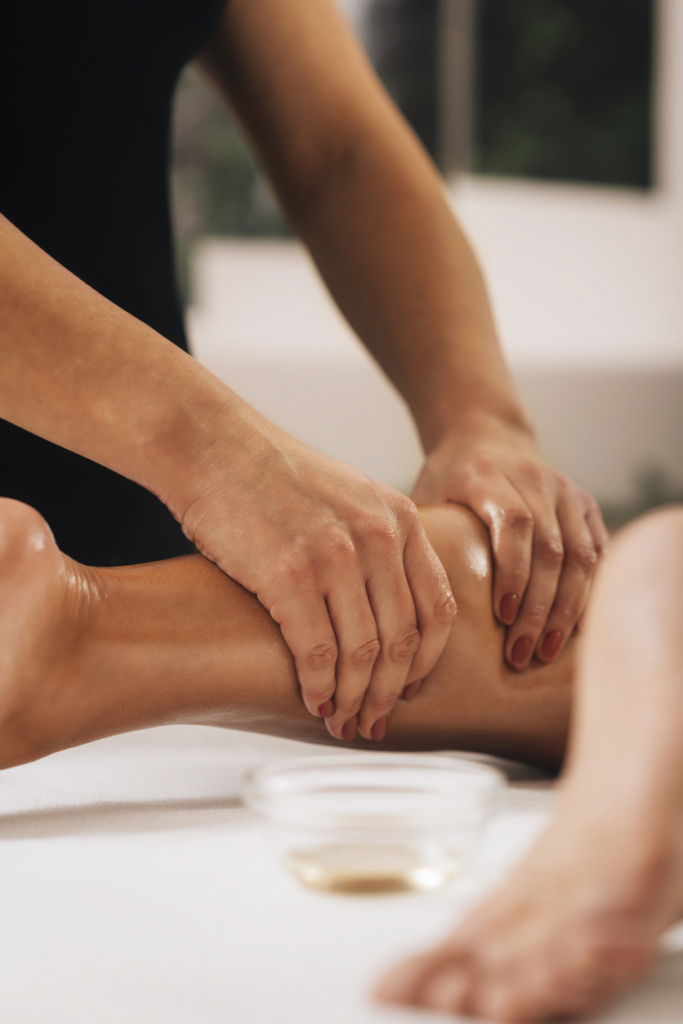
Touch as Medicine: Lymphatic Massage, Gentle Treatments, Nervous System “Arrival”
It’s fascinating that while tech and biohacking are everywhere, more people in 2026 realize that lack of human touch can really wear you down. Lymphatic drainage and other gentle massages are trending again—not just for beauty but as a nervous system reset. Many report feeling lighter, less bloated, and like their body is stepping out of survival mode.
DIY at home: Try a few minutes of gentle skin stimulation or an invigorating shower in the morning, a few minutes of leg elevation against the wall in the evening, plus a short, slow breathing exercise. It’s not flashy but surprisingly effective.
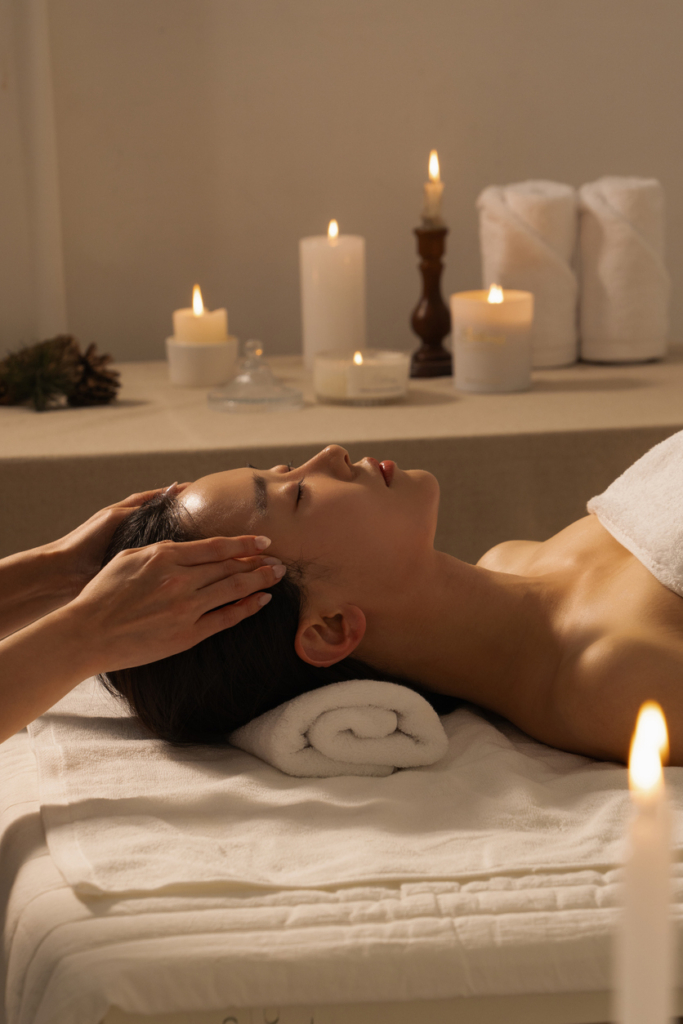
Japanese Head Spa: ASMR Calm and Scalp Focus
Japanese head spa videos are hypnotic because they invite you to just be, not perform. The treatment includes scalp massage, cleansing, aromatherapy, and pressure points, aiming not only to care for hair but to soothe the nervous system.
DIY at home: Warm a bit of scalp oil in your hands, massage it in slowly in circular motions, wrap your hair with a warm, damp towel for a few minutes, then wash your hair thoroughly and slowly. Yes, slowly. Not a quick rinse, but mindful care.
Contrast Therapy: Warmth After Cold Dips Is the Big Star Now
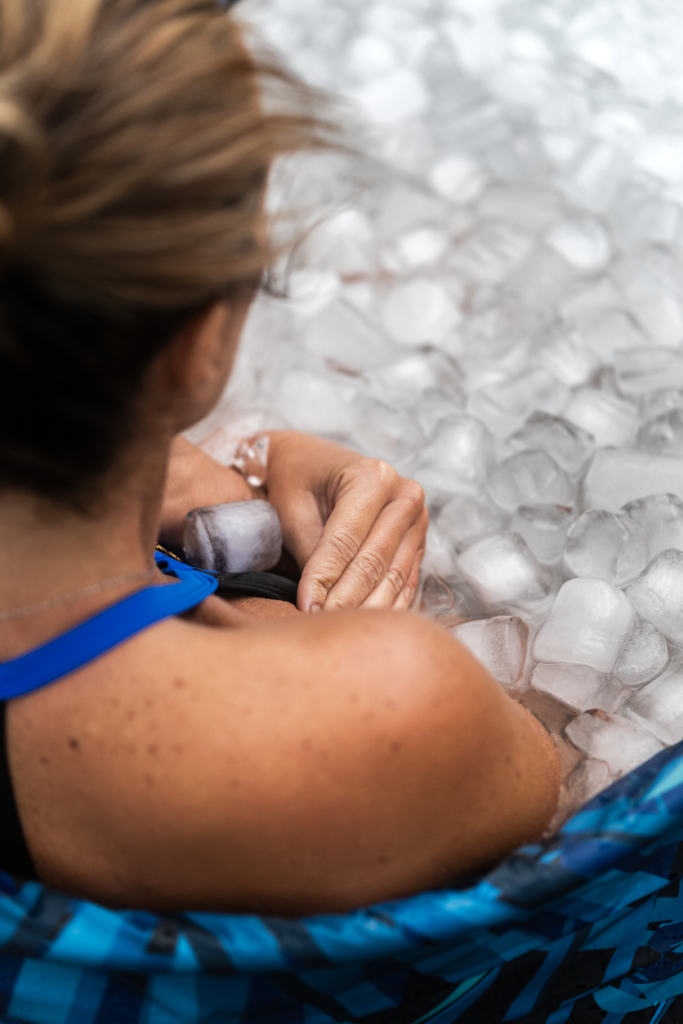
After the 2025 craze for “just cold water dips,” 2026’s trend is alternating warm and cold: sauna or hot bath, then cold shower or plunge, repeated a few times. This is said to train circulation, support recovery, and feel like hitting a reset button.
DIY at home: Try 2–3 minutes of warm shower, then 30–60 seconds cold. That’s it. No need to be a hero—just build up gradually.
Hormone Health: “Taboo Topics” Finally Mainstream
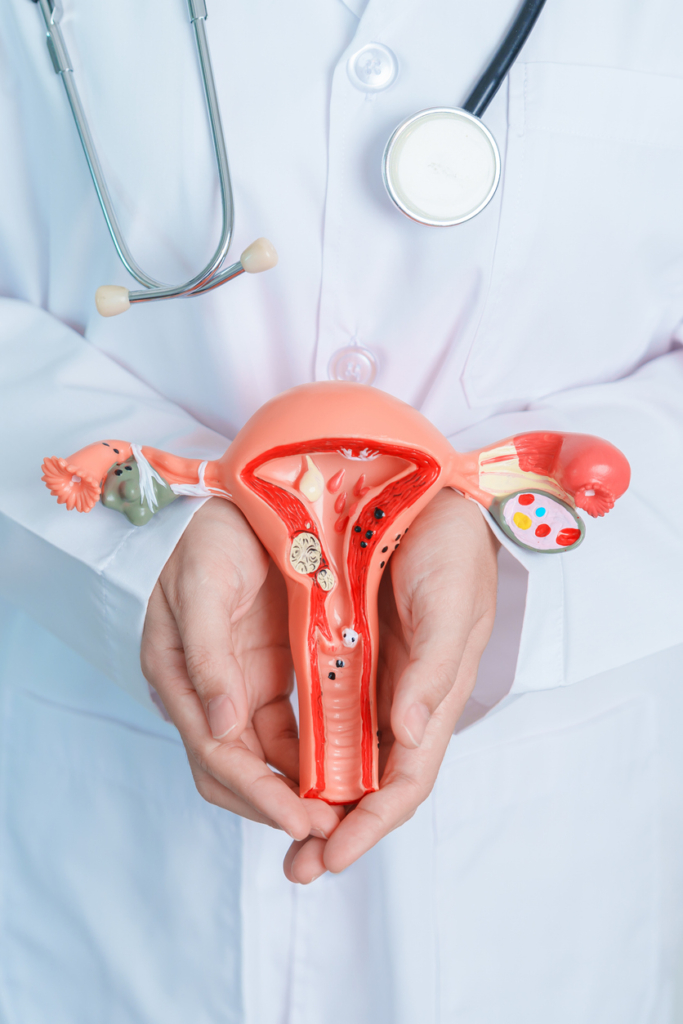
PCOS and hormonal fluctuations are no longer taboo but a major wellness focus. Trends here often involve gentle, nervous system-friendly tools: warming patches, herbal rituals, and growing attention on the feet (yes, the idea of feet as a control center is really catching on).
DIY at home: Warm foot baths in the evening, magnesium supplements (if they work for you), and anything that reduces stress: good sleep, walks, steady meals. Hormones love boring stability.
Pure Water: It’s Not Just How Much You Drink, But What
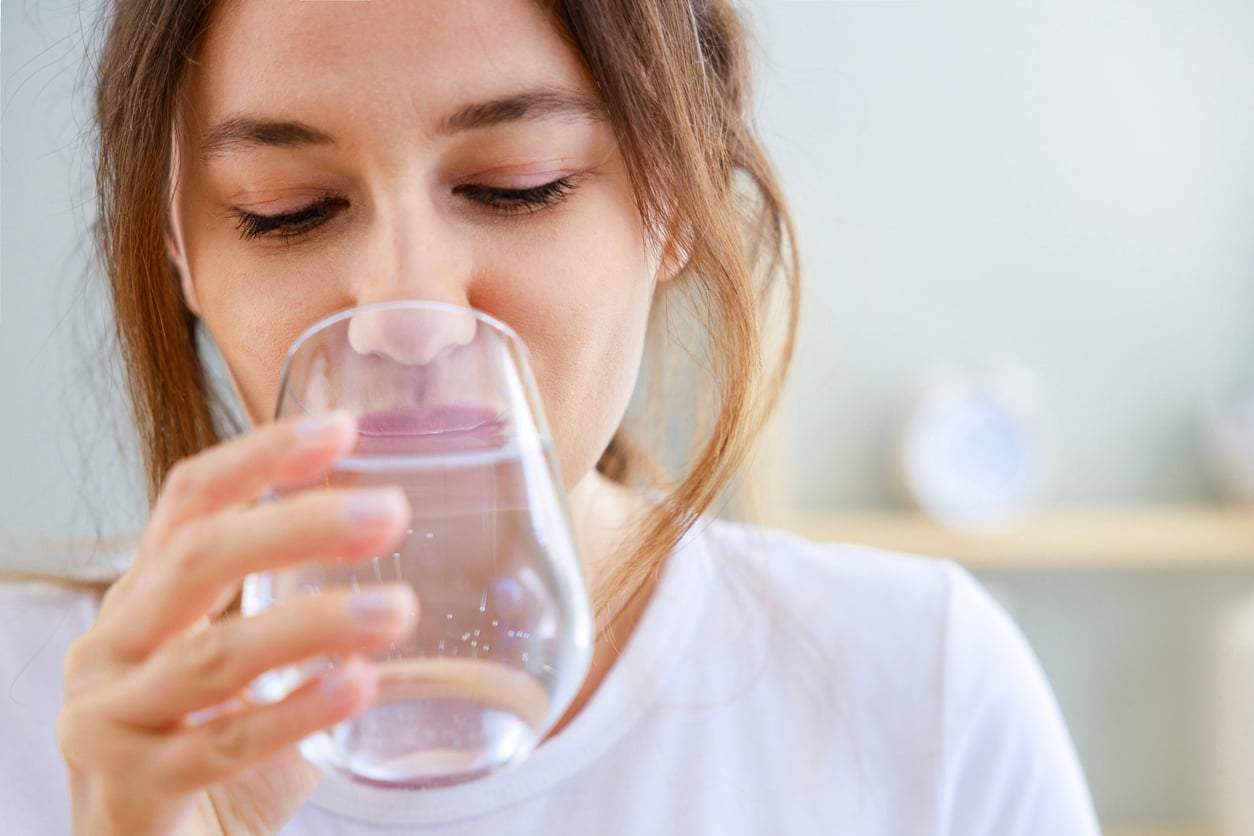
In the era of trendy water bottles, everyone tracks how much they drink, but more are asking: okay, but what kind of water? Filters, mineral-balanced waters, better-quality hydration are rising because water affects energy, digestion, skin, and hormones.
DIY at home: If you don’t want a big system, a good pitcher filter is a simple upgrade. Not perfect, but a big step for many.
The ultimate message of 2026 wellness trends is this: you don’t have to overwhelm yourself with extreme stuff. The focus is increasingly on reducing long-term, low-level inflammation (caused by stress, poor sleep, rushed eating, little movement) and supporting yourself with small, repeatable habits. If you take away just one thing, let it be this: in 2026, the winners won’t be those trying every trend but those who find 2–3 things they truly enjoy and that make them feel better in their own skin.