There are plenty of reasons why you might feel like it's time for a drink during a flight. Maybe you want to get into vacation mode… or savor the last hours of your freedom. Or perhaps you just need something to ease the stress or discomfort caused by flying.
Whatever the reason for sipping alcohol in the air, drinking on a plane can have unexpected effects. When the initial buzz fades, you might feel worse than if you’d enjoyed the same drinks on the ground. And it’s not just the hangover or airport hassles causing trouble. Keep reading to learn why experts say drinking on a plane can trigger symptoms that make you feel even worse after landing.
Low humidity on planes – and alcohol makes it worse
“Alcohol is a diuretic, meaning it tells your kidneys to flush out more fluids than usual, so you’ll need to pee more often,” explains Dr. Sanjay Kurani, hospital department head.
This isn’t just inconvenient on a plane—it pushes you toward dehydration, which can cause fatigue, headaches, and an overall feeling of being unwell.
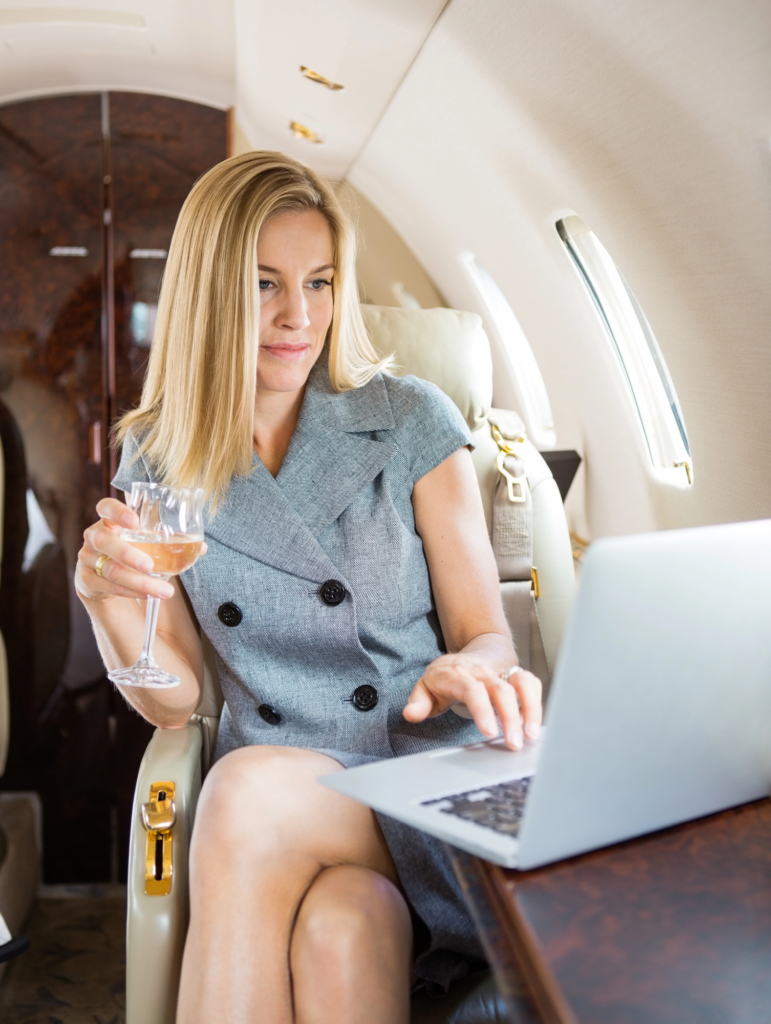
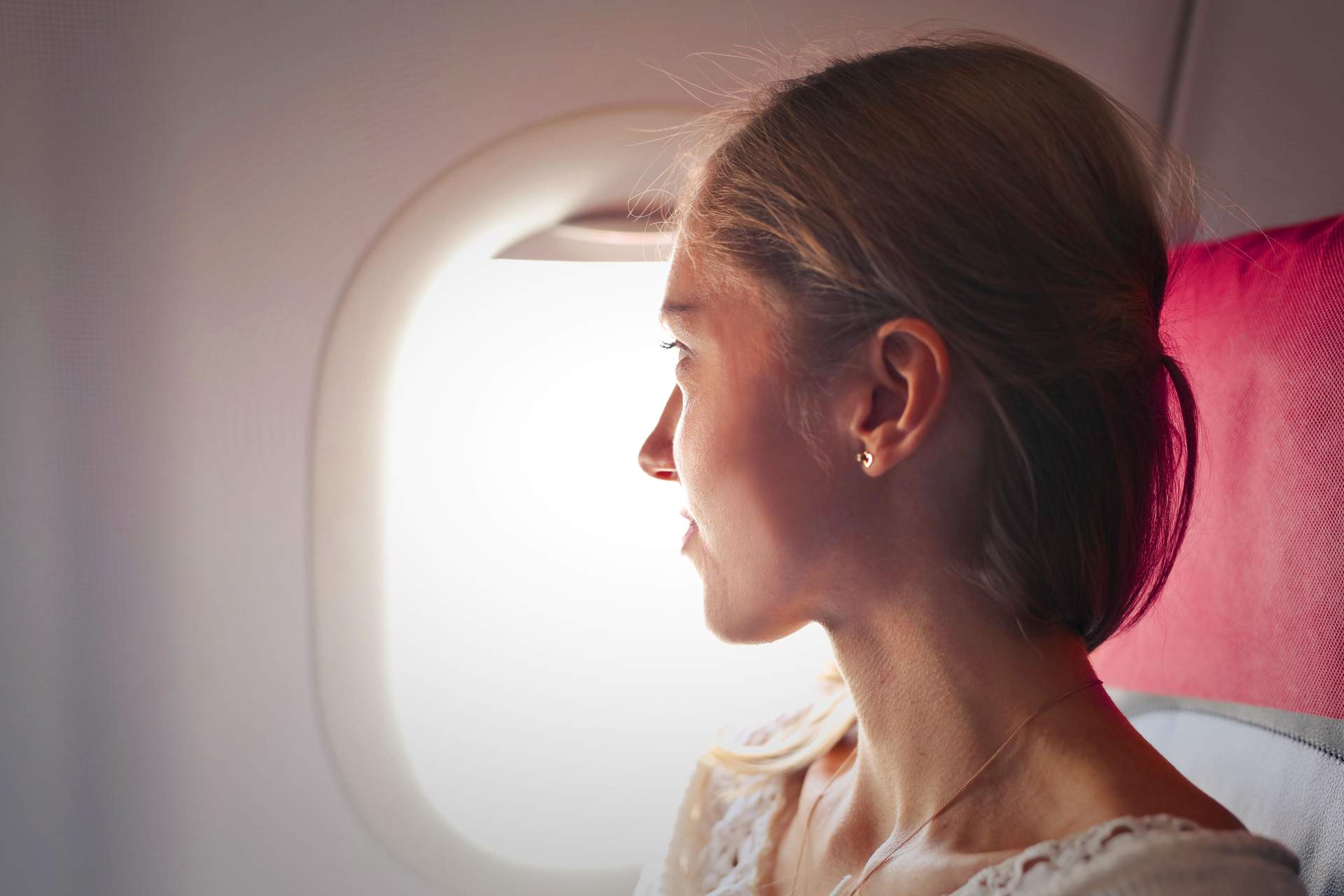
Plus, planes aren’t exactly humid environments: cabin humidity is lower than in most homes, so the air is literally drier. According to Dr. Joshua Zeichner, dermatologist at Mount Sinai Medical Center, this can make your skin feel drier even before you take a sip.
Parts of your body that need moisture suffer the most: your mouth, lips, and eyes can dry out. Surgeon Dr. Omid Mehdizadeh confirms these symptoms are common on flights.
Flying changes how your body processes alcohol
“Cabin pressure on planes is relatively low, equivalent to about 2,000 meters (6,600 feet) above sea level. This lowers oxygen levels in your blood, so less oxygen reaches your brain,” says nurse Carol Thelen.
For some, this can cause dizziness and a sense of unsteadiness.
Combine this lower oxygen with dehydration, and you’ll feel alcohol’s effects faster and stronger. Dr. Robyn Liu explains:
“What takes three to four drinks on the ground might hit you after just two sips on a plane.”
If you’re on a long flight or traveling overnight, lack of sleep can make alcohol’s effects even worse: noise, uncomfortable seats, and strangers nearby all make restful sleep tough. Even if you do fall asleep, alcohol reduces REM sleep quality, so you might wake up feeling tired and foggy.
How to ease alcohol’s effects on a plane
If you automatically reach for a drink on a flight, it’s worth pausing to consider why—and if there’s a better way.
If alcohol helps ease your flying anxiety, try alternatives: a small creative project, breathing exercises, or a meditation app. Dr. Liu says this gives you a tangible tool without the risk of a hangover.
If you use alcohol to fall asleep, remember: it actually lowers sleep quality. Instead, try good sleep hygiene tricks: a bedtime routine (brushing teeth, skincare), eye mask, noise-cancelling headphones, and a cozy blanket or sweater.
But if you just want to enjoy a drink on the plane, there’s no need to skip it entirely.
Remember: less is more—alcohol hits faster on planes.
Always drink water alongside your alcohol to avoid dehydration. Dr. Mehdizadeh recommends a glass of water for every alcoholic drink. Bringing eye drops and nasal spray can also help counteract the dry cabin air.
In the end, it’s your call: drink or don’t. Dr. Liu suggests paying attention to how you feel after one or two drinks during a flight—if the hangover is too rough, consider skipping alcohol next time and see how that feels.