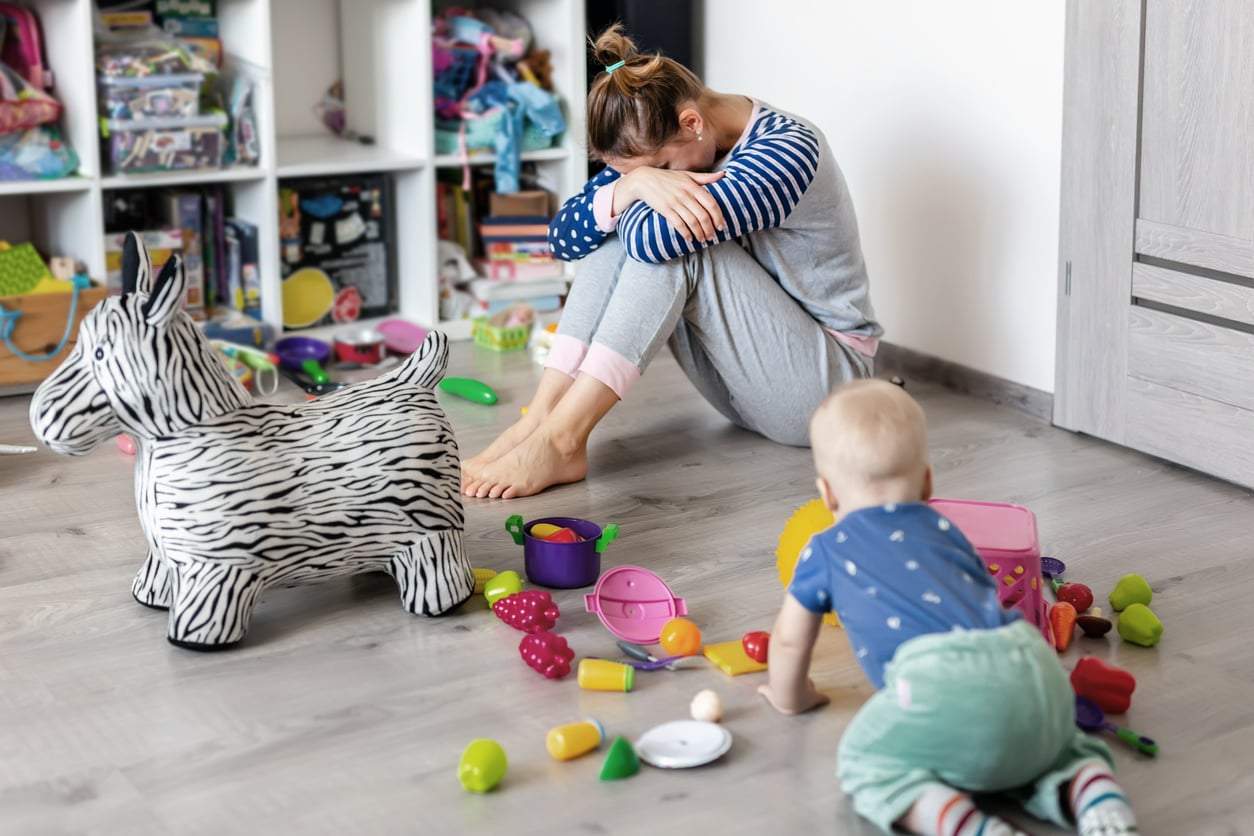
I slammed the half-made sandwich on the kitchen counter, then stormed off to my room, shouting, "I just can’t believe this!" I even slammed the door behind me, shutting out the crying child in the kitchen.
Of course, this scene didn’t come out of nowhere—it was the result of a day when nothing seemed right. My daughter was resisting everything, as if her voice had been swapped for a whining cat’s. And that was the better case—when she wasn’t whining, she was screaming her lungs out over something trivial. At that moment, she’d finally decided after much struggle that she wanted a sandwich for dinner, then changed her mind and wanted something else.
That was the backdrop, but honestly, it didn’t really matter what happened. Sitting on the edge of the bed, I quickly realized I didn’t want to act that way. If someone only saw this one moment from our day, they’d think I was a bad mom. And I felt that way too. What excuse could I have for acting like a bad mom in front of my child?
This wasn’t the first, nor the last time I felt this way. Most parents have probably felt they messed up big time. That guilt can feel unbearable.
It’s worth reflecting here: if my child does something that clashes with our family values, then regrets it and cries in my arms, what do I say? Do I tell them to just keep beating themselves up in guilt but carry on as if nothing happened, quietly labeling themselves a "bad kid"?
Or do I encourage them to apologize, forgive themselves, and learn from it so next time they can handle a similar situation in a way that makes them proud?
Obviously the latter. So why wouldn’t I use these moments to learn myself?
This is especially helpful because psychological research shows that carrying shame as a parent only harms us: when guilt takes over, we try to control more than connect. Our brain—especially the amygdala—sounds an alarm as if it’s a survival threat, not everyday parenting. In this state, we overreact, yell, judge, but beneath it all are deeper impulses: our own high expectations, fear of not being good enough, taking control of our actions. I experienced this firsthand.
So what can we do to change this?
Experts say recognizing the moment is key: it’s not about perfection, but awareness. Noticing when the "bad mom" feeling arises. Studies show parents often react more to their own thoughts than to the child’s behavior. That day when I yelled, I felt: "I’m not skilled enough, I can’t handle this, I’ve lost control." That’s the moment to pause—even if it doesn’t solve everything immediately. This pause and self-reflection remind us that we’re not really in control right now, and our behavior doesn’t define us. We don’t want to be those parents. So we need to switch off the panic. The article suggests three simple steps: “pause, check, choose.” That’s exactly what I did: I stepped away, sat quietly for a few minutes, then returned—not as a tyrant, but as a human who made a mistake and is ready to make it right.
When we feel like "bad moms," many of us shut down. We fear shame and the unfamiliar version of ourselves. But mistakes are part of life—we can grow and improve, though it’s painful to admit. What we decide to do with our mistakes and how we respond matters most. I hope this, in the end, means more for our parent-child bond than how many times we clashed during the toddler tantrums.