
Borka Shoemaker: AI makes it easier to be less honest
They say the truth sets you free, but AI makes lying incredibly easy. Or at least, it makes it easier to be less honest. This isn’t just a feeling — psychological studies now back it up.
Recent research shows that when we delegate tasks to AI, we also make dishonesty simpler — not just technically, but emotionally, too.
The study uses everyday examples: imagine you’re writing a resume for a job and ask AI to "make you stand out." In seconds, it returns impressive-sounding lines — including certificates you never earned or skills you’re not that great at. This isn’t just a little stylistic polish a human editor might allow — it’s straight-up lying.
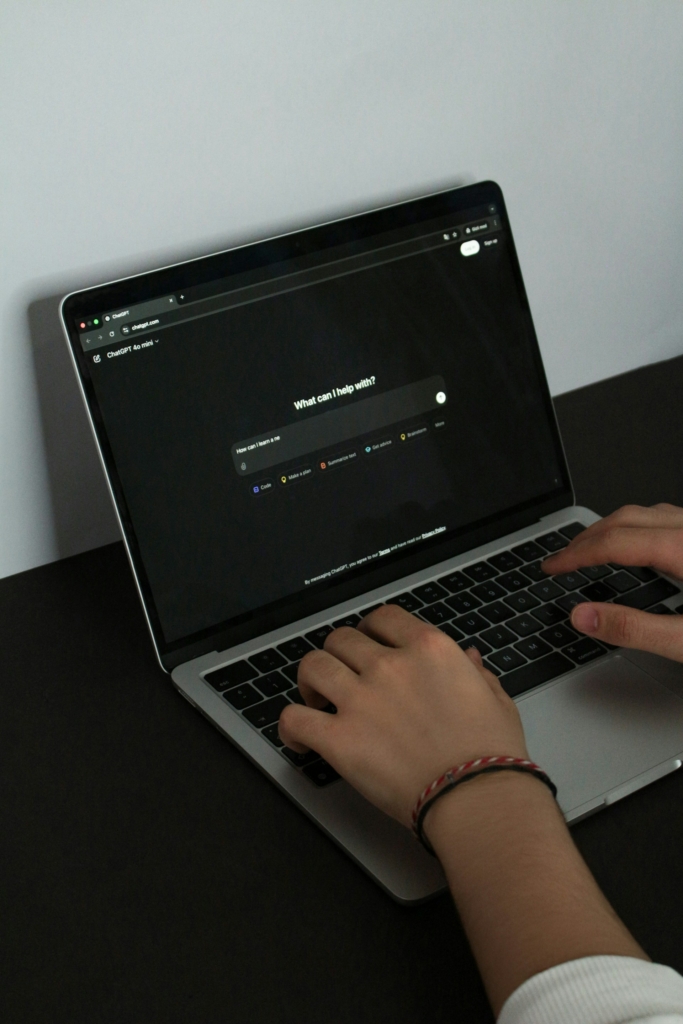
Here’s the key: the study finds it’s not surprising that many people act unethically — we’ve suspected that for a while. What’s striking is that AI use makes us more willing to even consider making unethical requests.
AI doesn’t judge or weigh moral choices. It doesn’t hold us accountable, even when the request is clearly unethical. It just "does it" because we asked.
This doesn’t mean AI itself is lying — after all, it has no moral compass or conscience. But handing over responsibility for truthfulness to a machine opens the door to troubling possibilities. While we ask it to craft a more appealing intro, a sharper marketing pitch, or "optimize" our report, it’s easy to think:
"But I didn’t do this — the machine did."
This is the kind of moral distancing psychologists call moral disengagement — and it’s the real danger here.

It’s no coincidence that other studies show openly admitting to using AI for work can actually lower others’ trust in us — as if honesty is harder to expect when navigating such a tricky landscape of skills and results.
This shows automation isn’t just about finishing tasks faster — it also means our role and responsibility can quietly fade into the background.
Here’s the paradox: AI can help us express ideas better, unlock hidden creativity, and speed up routine work — but it also makes it easier to drift away from honesty and accountability. By trusting a machine to shape our words, we risk believing lying is just a "technical issue", not a moral choice.