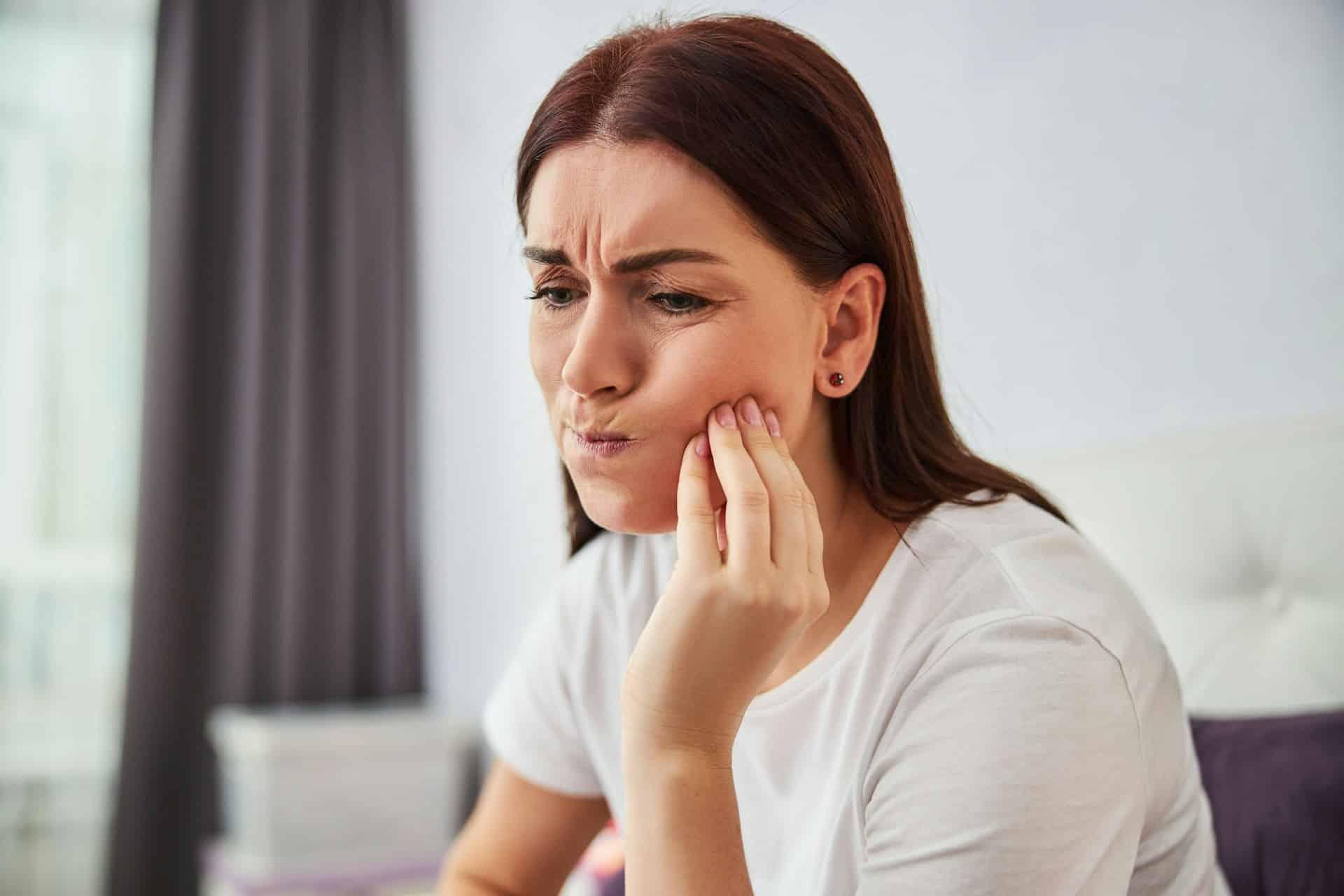
Wisdom teeth, also called third molars, are the final stronghold in the human mouth, having evolved significantly over time. Back when our diets were much rawer and more fibrous, these teeth were crucial for proper food processing. Nowadays, their everyday role has mostly disappeared.
Modern diets are softer and easier on teeth, which has led to smaller jaw sizes. As a result, many people simply don’t have enough room in their mouths for wisdom teeth, which can cause various issues.
Problems with Impacted Wisdom Teeth
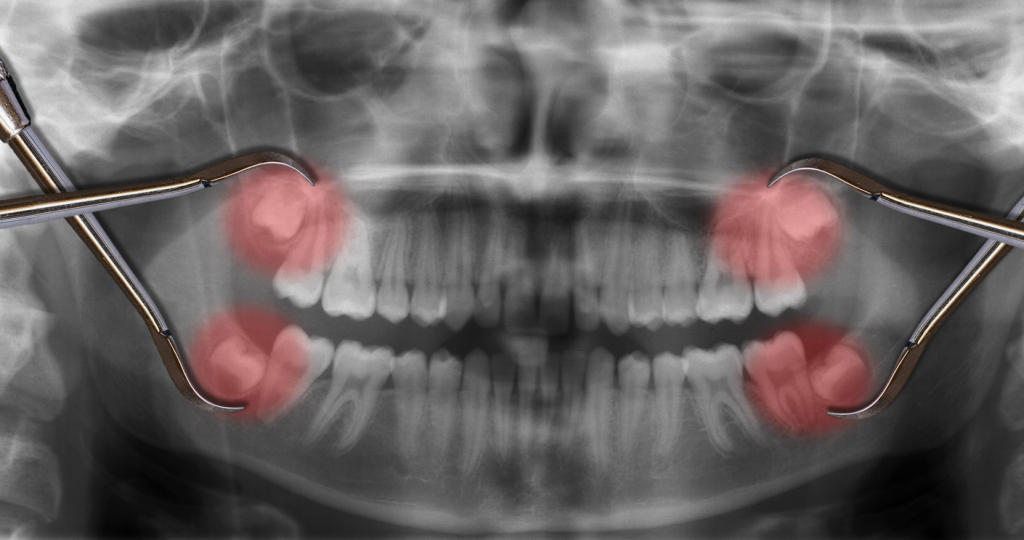
An impacted or partially erupted wisdom tooth can create a lot of trouble. These teeth often get stuck at the back of the mouth because the jaw can’t accommodate them. This pressure can cause pain and shift nearby teeth.
Plus, impacted wisdom teeth create hard-to-clean spots that are perfect breeding grounds for bacteria. This can lead to gum disease and cavities, which may cause serious complications over time.
Health Risks and Complications
Impacted wisdom teeth don’t just cause shifting teeth—they can lead to more serious health problems. Cysts or tumors may develop from the constant pressure inside the jaw.
These growths can be painful and damage the jawbone and surrounding teeth, often requiring long-term treatment. That’s why regular dental check-ups focusing on wisdom teeth are so important.
Dentist Advice on When Removal Is Needed
Dentists agree that impacted or problematic wisdom teeth should be removed early to prevent more serious oral health issues. Removing them isn’t just about fixing current problems—it’s about stopping future ones before they start.
Often, even if wisdom teeth aren’t causing pain now, removal is recommended because it’s hard to predict when problems might arise. Early action helps avoid lengthy treatments and painful complications down the road.
The Removal Process and Aftercare
When removing wisdom teeth, your dentist will carefully examine your mouth to choose the best approach. The procedure is usually done in the office with local anesthesia and is quick.
After removal, proper aftercare is key. This means keeping up good oral hygiene and following your dentist’s advice to speed healing. Good aftercare helps prevent infections and other complications.
Removing wisdom teeth isn’t just about your immediate health—it can prevent bigger oral problems later on. Timely treatment and regular dental visits keep your mouth healthy and support your overall well-being. So, don’t overlook your wisdom teeth’s condition and seek professional help when needed.