Snoring might seem like just an annoying habit, but it can often signal more serious health issues. If you notice yourself suddenly snoring, it’s worth exploring what might be behind it. Here, we’ve gathered some common reasons that could be causing this change.
Cold or Allergy
Blocked airways are a common side effect of colds and seasonal allergies, often leading to snoring during sleep. When you have a cold, mucus fills the airways, making it harder for air to flow freely. Allergies cause similar issues by swelling the nasal lining due to an overactive immune response.
Usually, snoring caused by these conditions is temporary and stops once you recover. Still, it’s a good idea to consult a doctor if the problem persists or worsens.
Weight Gain
Sudden weight gain can also trigger snoring. Extra weight, especially around the neck, can put pressure on your airways and disrupt their natural function. Fat deposits in the throat can narrow the airway, causing louder breathing noises during sleep.
If you suspect weight gain is behind your snoring, consider lifestyle changes like a balanced diet and regular exercise. These steps not only boost your overall health but can also help reduce snoring.
Pregnancy
Pregnancy brings significant changes to a woman’s body, which can cause sudden snoring. Nasal swelling, increased body weight, and hormonal shifts all play a role.
While this is a natural part of pregnancy, expectant moms should pay attention to sleeping positions and keep airways clear. If snoring causes irritation or disrupts sleep, it’s wise to seek medical advice.
Alcohol and Smoking
Alcohol and smoking are closely linked to snoring. Alcohol relaxes throat muscles too much, narrowing the airways. Smoking irritates and inflames the airway lining, making breathing less efficient.
Cutting back or quitting these habits can significantly reduce snoring and improve your sleep quality.
Bedroom Environment
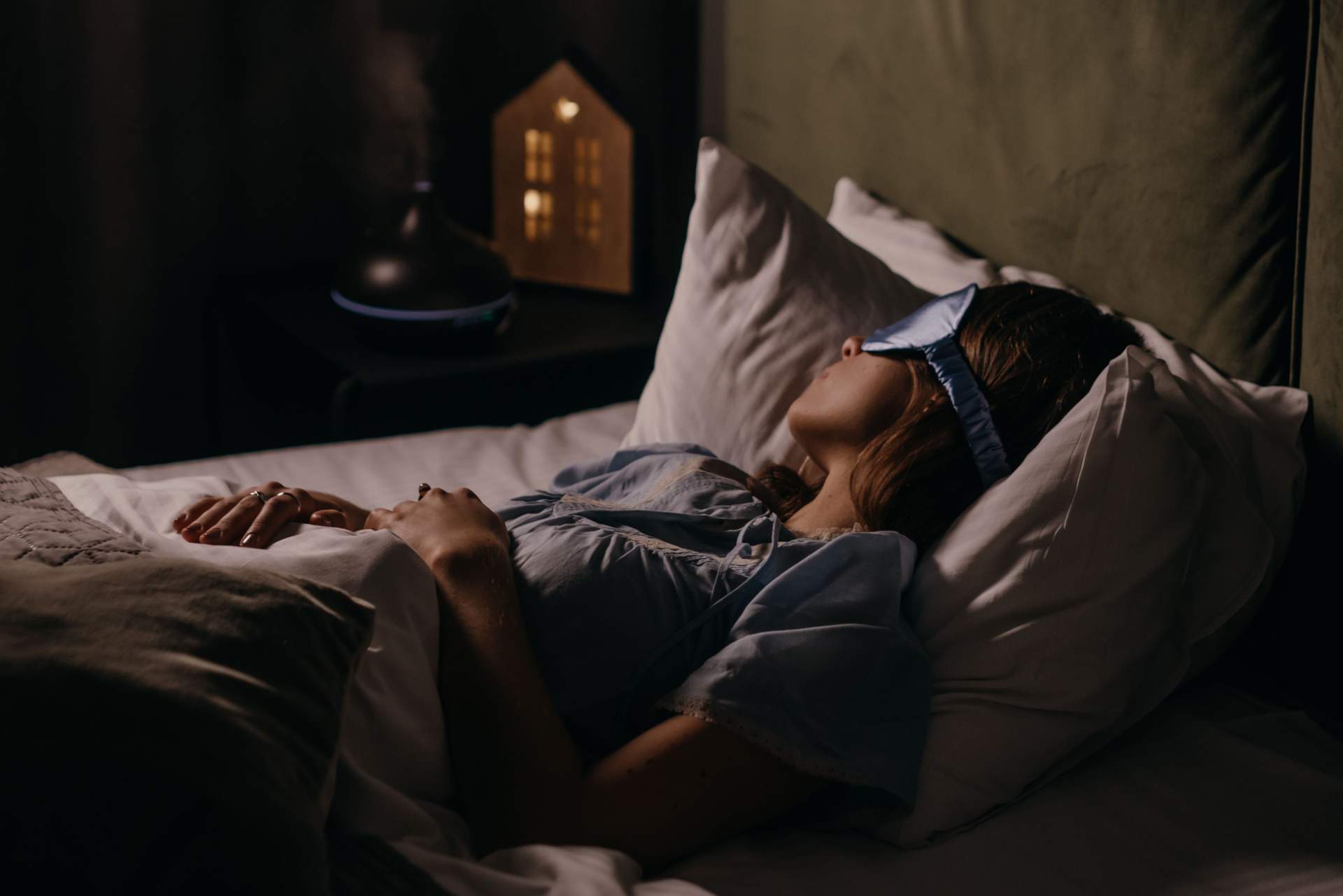
Your bedroom environment affects how you sleep and can influence snoring. Humidity, dust, and other irritants can impact your airways and trigger snoring. Comfortable pillows and a calming atmosphere are also key.
Managing air conditioning and pollution levels, along with regular cleaning and ventilation, can help reduce snoring. Create a space that supports peaceful, restorative sleep.