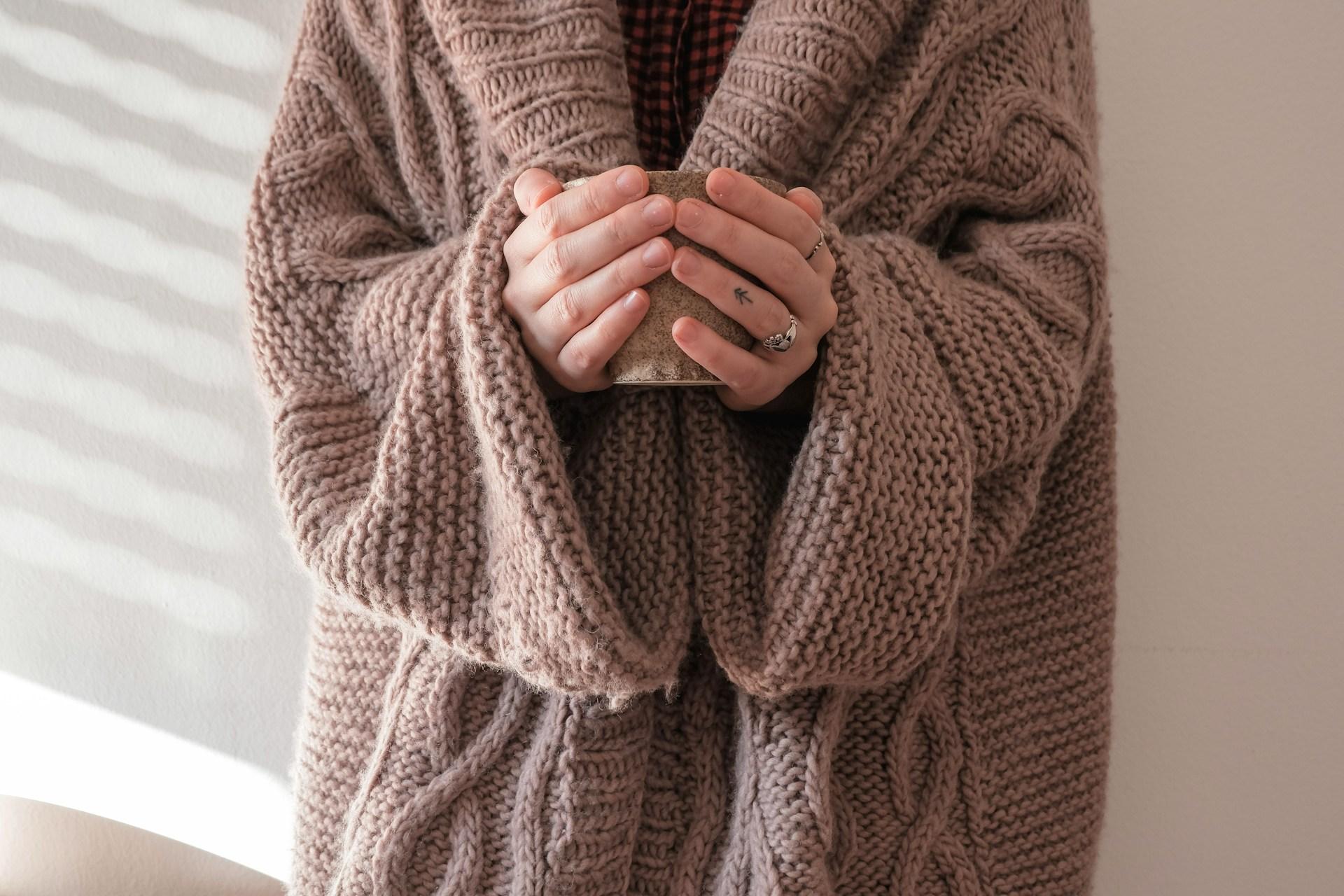
As the crisp autumn winds arrive, the chill becomes more noticeable for many of us. Interestingly, those who often feel anxious tend to sense the cold even more intensely. What’s behind this curious connection? The complex relationship between body and mind involves several factors that shape this experience.
The Physiology of Anxiety
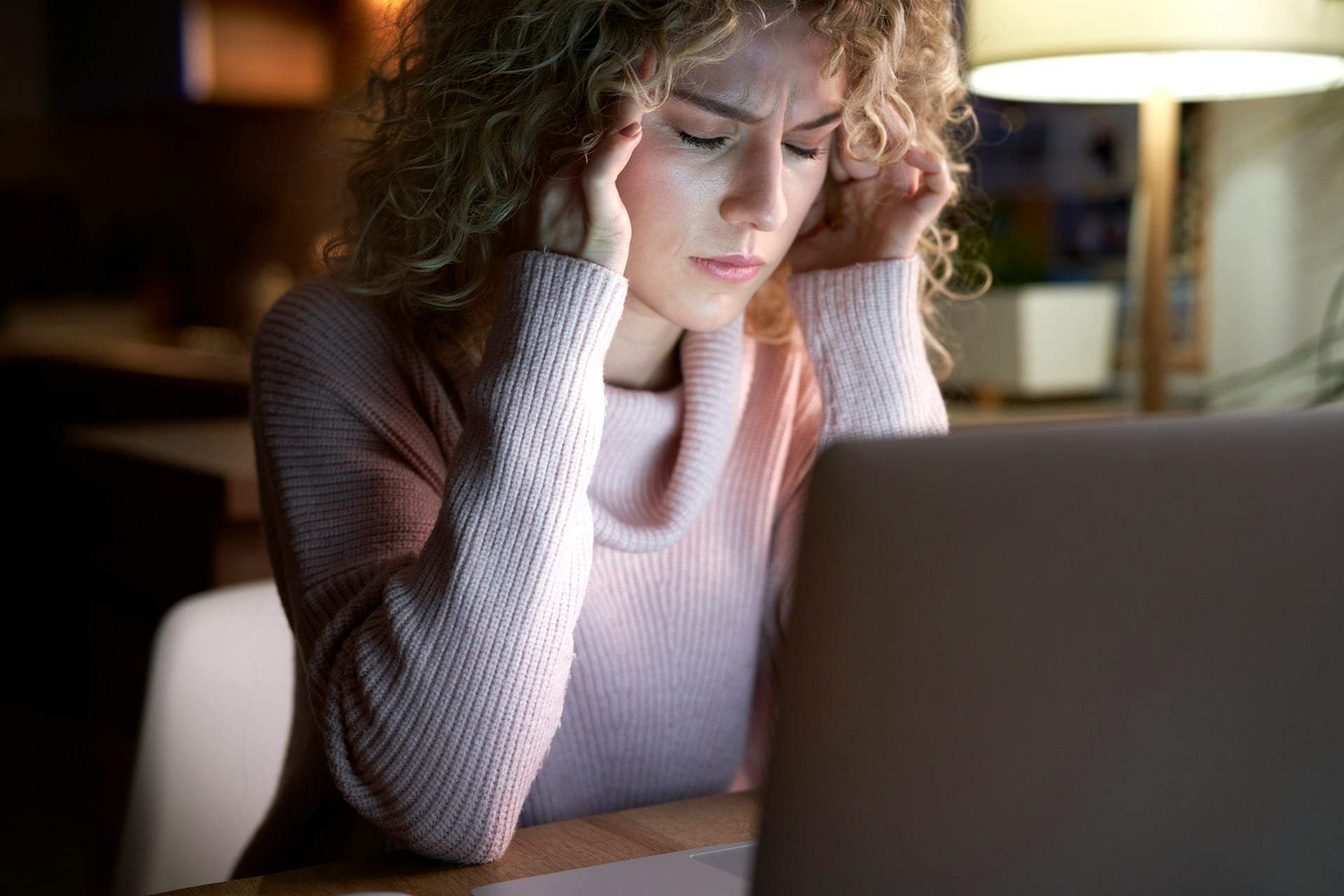
Anxiety isn’t just an emotional state; it triggers physical responses too. When we feel anxious, our body releases stress hormones like cortisol and adrenaline. These hormones spark reactions such as a faster heartbeat, higher blood pressure, and sweating.
Alongside this, anxiety often causes muscle tension, keeping muscles tight for extended periods. This constant tension raises the body’s energy needs, making it less efficient at staying warm. That’s why feeling cold is more common when anxiety is persistent.
How Emotions Affect Our Sense of Warmth
Our emotions directly influence how warm or cold we feel because the central nervous system, which regulates body temperature, is closely linked to our feelings. People with anxiety often perceive their surroundings as colder than others do. Research shows that those dealing with depression and anxiety may be less sensitive to temperature changes.
Negative emotions like fear, anxiety, or stress can also reduce blood flow to the skin, cooling the surface and adding to the physical sensation of cold.
The Link Between Autumn Melancholy and Anxiety
Autumn often brings a touch of melancholy for many, thanks to shorter days and nature’s changes. These shifts can trigger seasonal mood swings closely tied to anxiety symptoms.
This season can be especially tough for those sensitive to weather or seasonal changes. The added emotional strain may cause physical symptoms like feeling colder.

How Can We Improve Our Condition?
Luckily, there are plenty of ways to ease the cold feeling linked to anxiety. One of the best approaches is restoring emotional balance. Techniques like relaxation exercises, meditation, or physical activities such as yoga and Pilates help reduce muscle tension.
Layering your clothing smartly can counteract the chill that anxiety brings. Plus, regular exercise boosts circulation, helping your body maintain its warmth.
The Power of Social Support
And last but not least, never underestimate the value of social support! Sharing your feelings and experiences with others can be a huge help in finding emotional stability. Anyone facing anxiety can benefit from loved ones or professional support to improve their well-being.
The connection between anxiety and feeling cold is truly complex, reflecting the tight bond between mental and physical health. Autumn can be a sensitive season for those living with anxiety, but with a positive mindset and self-care, these challenges can become much more manageable.