If the title caught your attention, chances are you’ve felt this too. That strange moment when after a rough day, an annoying work situation, or a tough conversation, you suddenly feel a compelling urge to buy something. Not because you really need it, but because you feel you deserve it. Sound familiar?
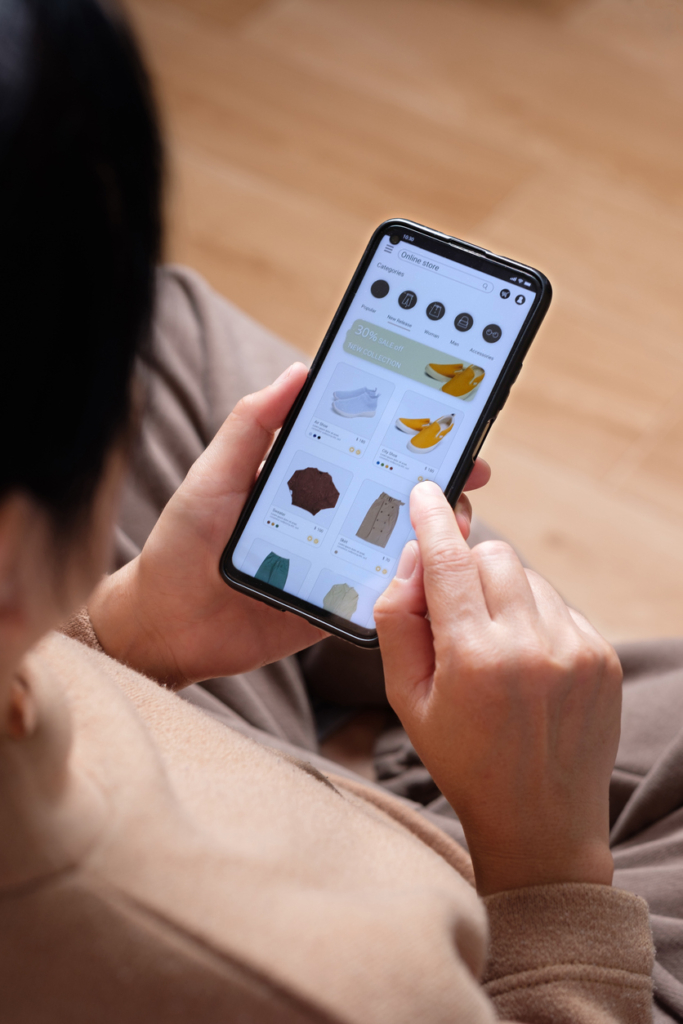
After a stressful day, you open an online store just to “browse,” and minutes later there’s a dress, shoes, or something totally unnecessary in your cart. Part of your mind knows you don’t need it, but another part says, "It’s fine, I deserve this today".
The Feeling of Revenge Shopping
Stress buying often comes from an interesting psychological mechanism. When we feel our day has been unfair or we’ve given too much energy to something, our brain wants to "balance the scales." That’s when the idea of rewarding ourselves pops up.
Buying isn’t just about the item. It’s about reclaiming a bit of control over our day. When things felt out of our hands at work or elsewhere, at least we get to decide what to buy.
During shopping, our brain releases dopamine, the same "feel-good" chemical that kicks in when something pleasant happens. That’s why clicking the order button feels exciting and rewarding. The catch? That feeling often fades fast. Hours or days later, the excitement is gone.
The item stays, but the feeling that drove the purchase often disappears. Usually, it’s not the item that matters, but the feeling we expect from it. Stress shopping is a quick reaction to tension—a shortcut to feeling better. And that’s totally human. We all look for something to ease stress after a tough day.
What Can You Do If This Sounds Like You?
Recognizing this pattern is already a win. The first step is always noticing the pattern. Next time you feel that sudden urge to shop, pause and observe. Often, it’s not the product you want but the feeling you’re chasing.
Sometimes, a simple pause helps: close the page, take a walk, or let the impulse pass. Many find it useful to wait 24 hours before making an unplanned purchase. Surprisingly, the next day you often see more clearly if you really need that item.
It can also help to look through your own wardrobe. You might find something you haven’t worn in a while and suddenly want to wear again. And hey, it’s totally okay to treat yourself sometimes. The key difference is whether it’s a conscious choice or just a quick reaction to stress.
Because when we shop "out of revenge," it’s not really about the item. It’s about reclaiming that feeling of control and telling ourselves we’re still the authors of our own story at the end of the day.

What Really Happens When You Click "Order"?
One of the most eye-opening truths is that stress shopping rarely is about money or things. It’s about that moment when, after a long day, we want to give ourselves a little justice. A small gesture that says, "I deserve this".
The issue isn’t the purchase itself, but when it becomes our only way to handle tension. Noticing this pattern puts us a step closer to responding differently sometimes. Because sure, a new pair of shoes might brighten our day, but real relief might come from something else entirely.