
One of the amazing connections in the human body is how your heartbeat can indirectly affect your hearing. That pulsing sound in your ear, medically known as pulsatile tinnitus, can have several causes, but it’s most often triggered by the vibrations of large blood vessels near your ear, which are directly linked to your heart.
The temporal arteries run very close to our ears, and anyone can easily notice their blood flow syncing with the heartbeat. This sensation becomes more noticeable when background noise fades away, like at night when the room is quiet.
Possible Medical Causes of Pulsatile Tinnitus
There are various medical reasons behind pulsatile tinnitus.
Sometimes, obesity, high blood pressure, or ear infections can affect blood vessel health and blood pressure, leading to this sensation.
In other cases, these sounds may signal more serious issues like vascular disorders, such as atherosclerosis or arteriovenous malformations. These conditions reduce blood vessel flexibility, causing turbulent blood flow that makes the heartbeat sound more pronounced.
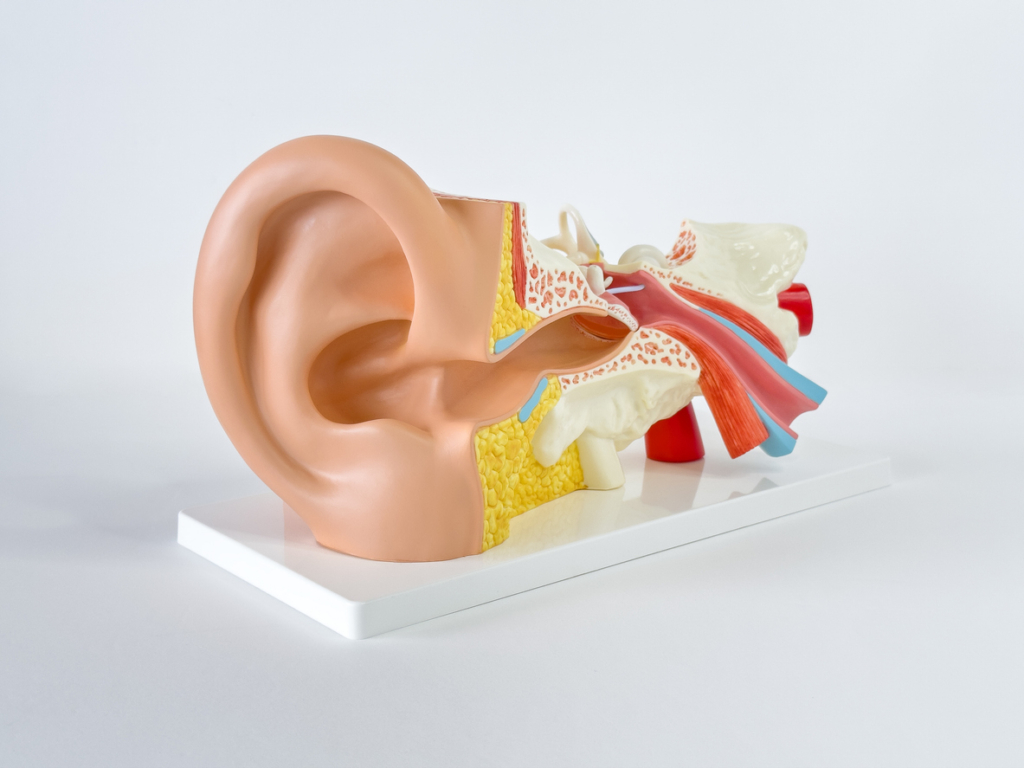
How Stress and Lifestyle Affect Pulsatile Tinnitus
It’s not just physical factors that play a role in tinnitus.
Stress, anxiety, and frequent sleep disturbances can make changes in your heart rate more noticeable. Your mental state directly impacts how your cardiovascular system functions.
Higher stress levels can raise your pulse and speed up blood flow, amplifying the pulsing sound. Often, the best remedy for this type of tinnitus is reducing stress and adopting a balanced lifestyle.
Tips to Manage Pulsatile Tinnitus
While pulsatile tinnitus can be unsettling, there are ways to ease the discomfort.
The first step is to visit an ear, nose, and throat specialist to rule out any serious health issues.
If no serious medical cause is found, lifestyle changes can bring significant relief. Try to get more rest, cut back on caffeine, and follow a healthy, balanced diet. Practices like yoga or meditation can help reduce stress and bring inner calm.
When to See a Doctor
If the heartbeat sound in your ear is frequent, intense, or painful, it’s important to consult a healthcare professional. Medical evaluation is also recommended if you experience dizziness, balance problems, or vision changes alongside the symptoms.
Early diagnosis can be key to preventing serious conditions and restoring peace to your life quickly. Timely care protects your health and helps you live fully.