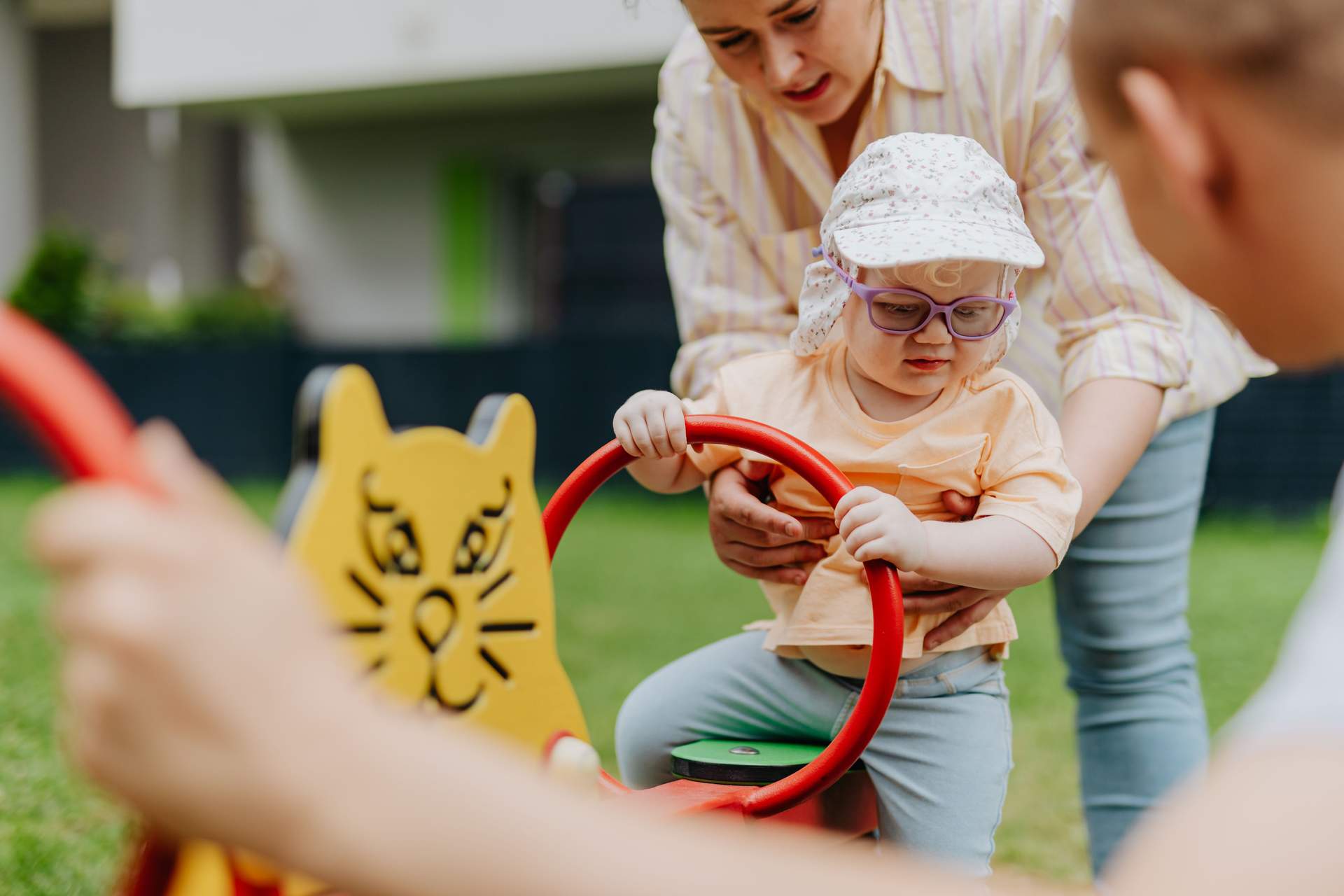
Parenting is full of myths that get handed down from one generation to the next. One of the most common is the belief that strictness and punishment are the best ways to raise kids. The truth couldn’t be more different.
The Long-Term Impact of Strictness and Punishment
Renowned psychologists like Dr. Alice Miller have highlighted how strict parenting can seriously affect a child’s emotional growth. Dr. Miller points out that punishment-based discipline can cause lasting emotional wounds and create inner tensions that may later lead to self-esteem struggles.
Another respected psychologist, Dr. Dan Siegel, argues that empathy and understanding should replace harsh discipline.
Siegel emphasizes that truly understanding a child’s emotional world builds trust—the foundation for healthy development.
Breaking the Cycle of Generational Myths
Parents who follow traditional methods often don’t question their effectiveness. Older generations tend to say, “That’s how we were raised,” which can trap families in a cycle that’s tough to break.
John Gottman, a researcher in emotion-focused parenting, highlights how parents’ emotional intelligence plays a key role in a child’s healthy psychological growth.
According to Gottman, kids with emotionally available parents find it easier to build healthy relationships and grow into balanced adults.

How Can We Change These Traditions?
For kids to not only respect but truly love and trust their parents, it’s essential to rethink how we discipline. Positive discipline helps children learn social rules without living in fear or stress.
Empathetic communication is key. Marshall B. Rosenberg, creator of Nonviolent Communication, stresses the importance of acknowledging children’s feelings and engaging in compassionate dialogue. This approach helps kids understand themselves better and builds the foundation for personal and social responsibility.
Modern psychology shows that when parents and teachers embrace empathy and update their methods, it not only strengthens the parent-child bond but also fosters emotionally balanced, healthy communities for future generations.