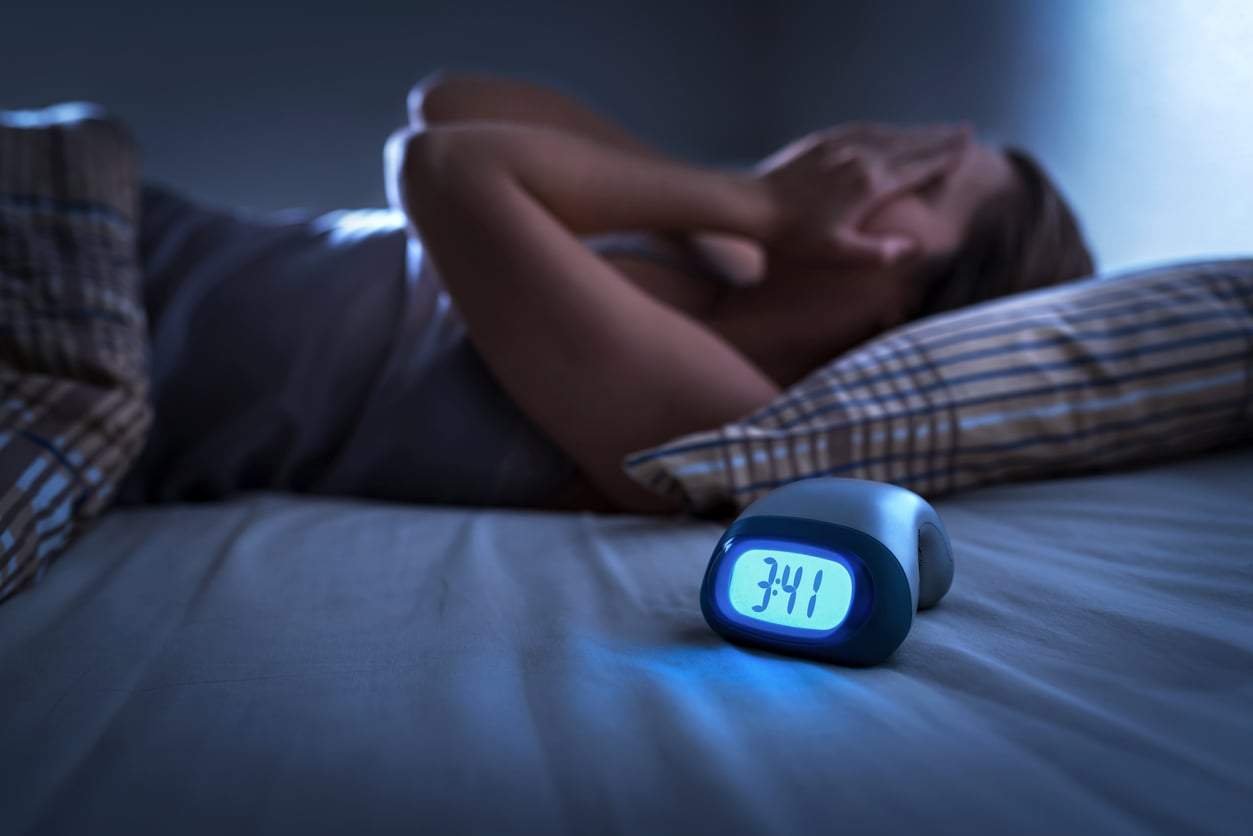
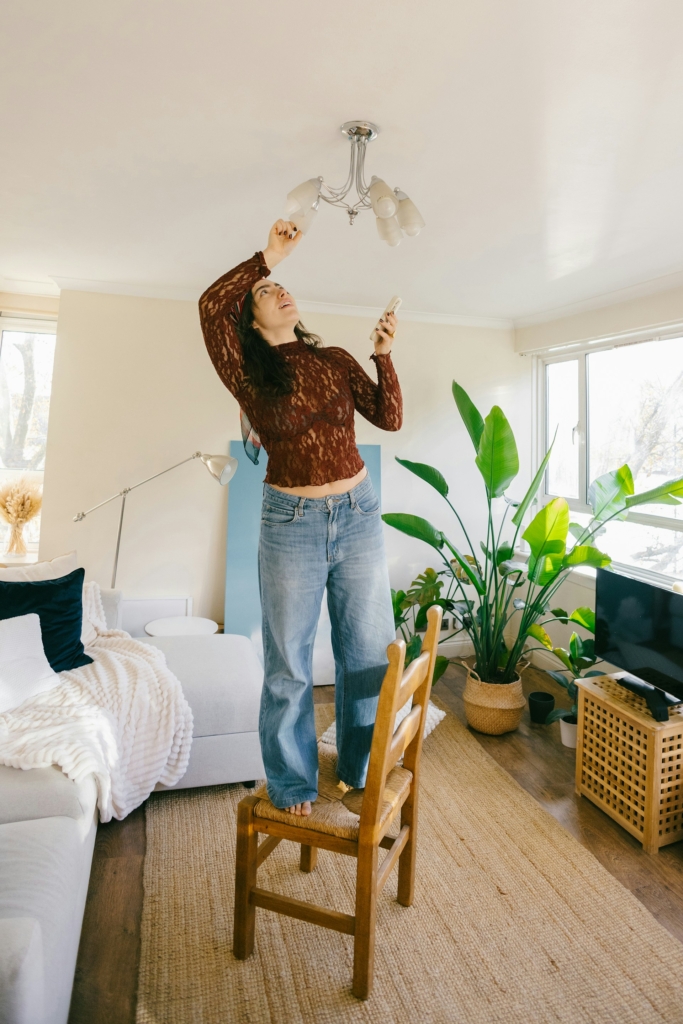
There’s that infamous “big light” many households avoid. In homes where shoes stay by the door and beds are made daily, flipping on the big light is often off-limits. Anyone who’s switched it on knows: this glaring, white ceiling light instantly changes the room’s vibe—and for many, it negatively impacts their nervous system.
Why Does the Big Light Bother So Many People?
Dr. Stephanie Steele-Wren, psychologist, explains that the dislike for the “big light” isn’t just a joke—it’s a real sensory experience.
“Ceiling lights are often too bright and hard to adjust, which can be genuinely disruptive for many people,” she says.
This feeling is especially strong for those who get easily overwhelmed by visual stimuli. Constant, intense light bombards the brain, causing physical discomfort and tension. Many only turn on the big light briefly to find something or tidy up, then switch it off immediately. Others simply can’t stand it at all.
Even for those without heightened sensitivity, harsh ceiling lighting can still feel unpleasant.
“It changes the room’s mood and makes relaxing much harder,” Steele-Wren explains.
Think about spas or therapy offices: soft, warm lighting is the norm because gentle light helps you unwind.
How Does Bright Light Affect You?
Bright, white ceiling lights mimic daylight, so our brain switches to a more alert mode. It’s not a dramatic hormone shift, but enough to make your nervous system feel more stressed—especially in the evening when you’re trying to relax.
Science backs this up. A 2011 study found indoor lighting significantly affects sleep: exposure to light before bedtime delays melatonin production and shortens its effect. Melatonin is the key hormone that helps your brain switch into rest mode.
Too much bright light at night makes your brain less calm, making it harder to fall asleep and relax.
Light sensitivity can be even more pronounced in certain groups. A 2022 study showed that lighting and colors strongly affect behavior in autistic children, suggesting visual intensity greatly influences comfort and stress levels.

What Can You Do If You Can’t Stand It?
The easiest fix is to switch to softer, indirect lighting. Table lamps, mood lights, or candles quickly create a warm, cozy atmosphere and ease visual overload. For tasks needing brighter light, like cooking or working, choose full-spectrum bulbs with adjustable color temperature—these let you mimic daylight without the harsh glare.
Steele-Wren notes that soft lighting triggers immediate physical and mental relaxation: muscle tension drops, breathing slows, and thoughts calm down. That’s because your nervous system gets fewer stimuli, allowing it to shift from the “fight or flight” mode to a peaceful, relaxed state.
Whether you’re sensitive to light or just after a pleasant vibe, dimming the ceiling light makes a big difference in how you feel.
Especially in the evenings, turning off the big light and embracing warm, smaller light sources is worth it. It’s not only more relaxing but also supports better sleep by protecting melatonin production and helping your body switch to rest mode.
Next time you enter a room at night, consider swapping the big light for a cozy table lamp or a few candles. Your brain, body, and mood will thank you.