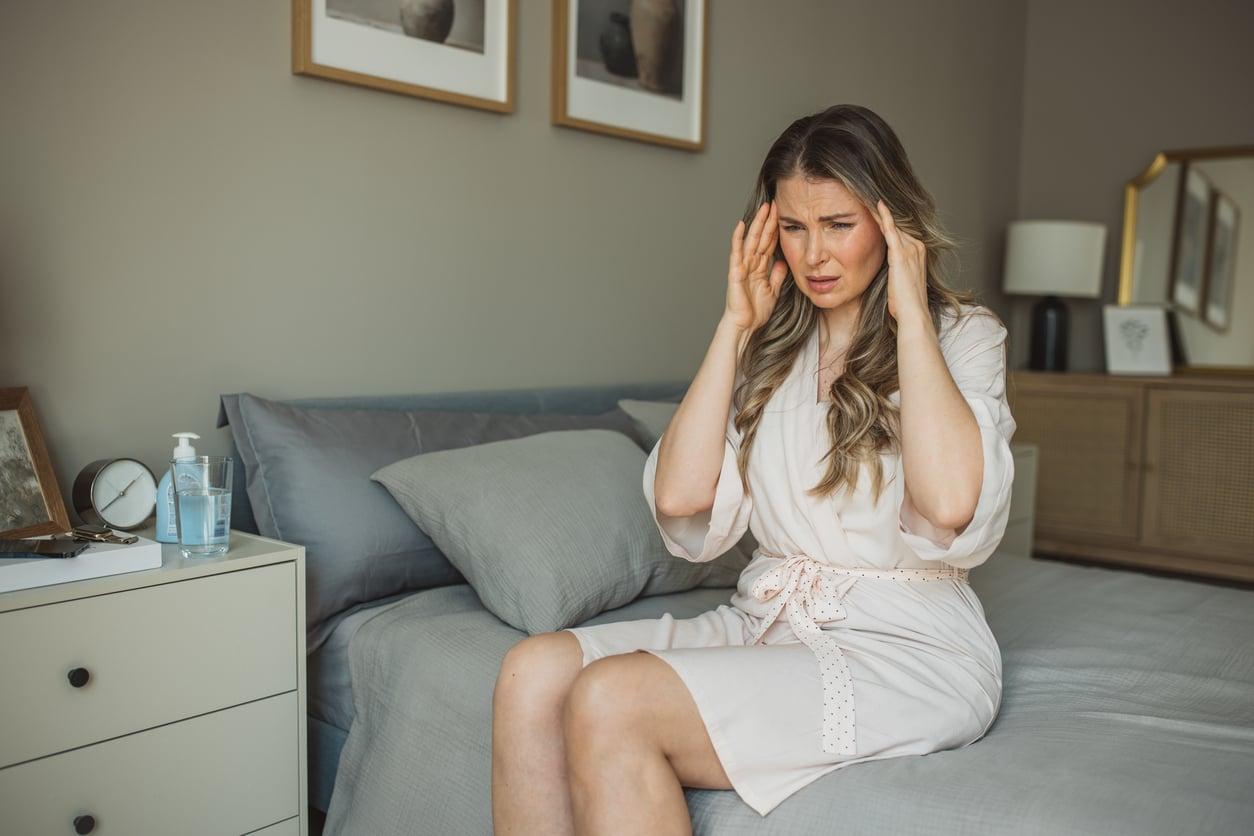
While weather sensitivity is a common reason, other factors can cause just as much, if not more, pain. It’s worth getting to know these causes and considering a medical check-up if you regularly struggle with headaches.
Tension and Stress
Our modern lifestyle almost guarantees constant stress, which can play a big role in triggering headaches. Muscles can tighten, especially around the neck and shoulders, affecting the entire head.
Stress-related headaches often feel like a dull, constant pressure across the forehead or the back of the head.
A 2015 study highlighted that chronic stress can sensitize the nervous system, leading to more frequent and intense pain sensations.
Let’s Talk About Poor Posture
Spending up to eight hours a day in an office chair or in front of a computer often leads to poor posture. This puts abnormal strain on the neck’s spine, causing muscle tension and eventually headaches.
A 2010 Harvard study confirmed that poor posture during desk work clearly contributes to headaches.

Caught in Dehydration
Sometimes the simplest explanation is the best — dehydration. Staying well-hydrated is essential for a healthy lifestyle. When the body lacks enough fluids, blood thickens and cells can’t function properly, often leading to headaches.
The American Journal of Nutrition’s 2012 issue explored the link between dehydration and headaches, emphasizing the importance of water intake.
Food Allergies and Intolerances
Certain foods can cause sensitivity or intolerance, triggering immediate or delayed symptoms like headaches. Common culprits include gluten, dairy products, and additives such as MSG.
Poor Sleep
Lack of restful sleep can have serious effects on our bodies. Sleep deprivation reduces focus and disrupts the body’s recovery processes, which can lead to headaches.
A 2009 sleep study showed that people sleeping less than 6 hours a night are much more likely to experience recurring headaches.

Hormonal Fluctuations in Women
Women’s hormonal cycles, especially the menstrual cycle or pregnancy, can strongly influence headache frequency. These shifts can disrupt the brain’s chemical balance, making it more sensitive to pain.
A 2010 study found women are more likely to experience migraine-like headaches during menstruation.
The Importance of Medical Evaluation
Headaches can stem from many causes, but it’s always important to see a specialist if symptoms persist. Medical consultation, proper diagnosis, and treatment are key to improving quality of life.
Pay attention to your body’s signals—headaches aren’t just something to endure; they can be a sign of a deeper issue.