In many families, it’s been taken for granted for generations that women are the ones who smooth over conflicts. Mothers, grandmothers, sisters, and wives have played an invisible but vital role for centuries: they are the peacekeepers, the family firefighters, sitting between two arguing relatives or listening on the phone to both sides’ complaints, trying to save family harmony.
This role often feels so natural that we hardly notice the heavy burden placed on those who slip into it—or are born into it.
I learned very young that conflict resolution at home wasn’t the adults’ job but often mine. I often heard, “Go tell your dad…” or “Let your mom know that…”. It quickly became clear to me that mediating between my parents was a better strategy than letting tensions fester. Why it was my job? Back then, I didn’t ask. Today, I do.
This habit, this reflex, often follows us into adulthood. I can imagine that at most family Christmas dinners, there are at least two relatives who can only be seated together if a woman sits between them: someone who will smooth over snide remarks, steer the conversation, or simply absorb the tension. Family gatherings are often overshadowed days in advance by a flood of phone calls where women—mothers, daughters, wives—take turns hearing who’s upset with whom and why. They try to create peace between people who should really be solving their issues themselves.

A Role That Rarely Gets the Respect It Deserves
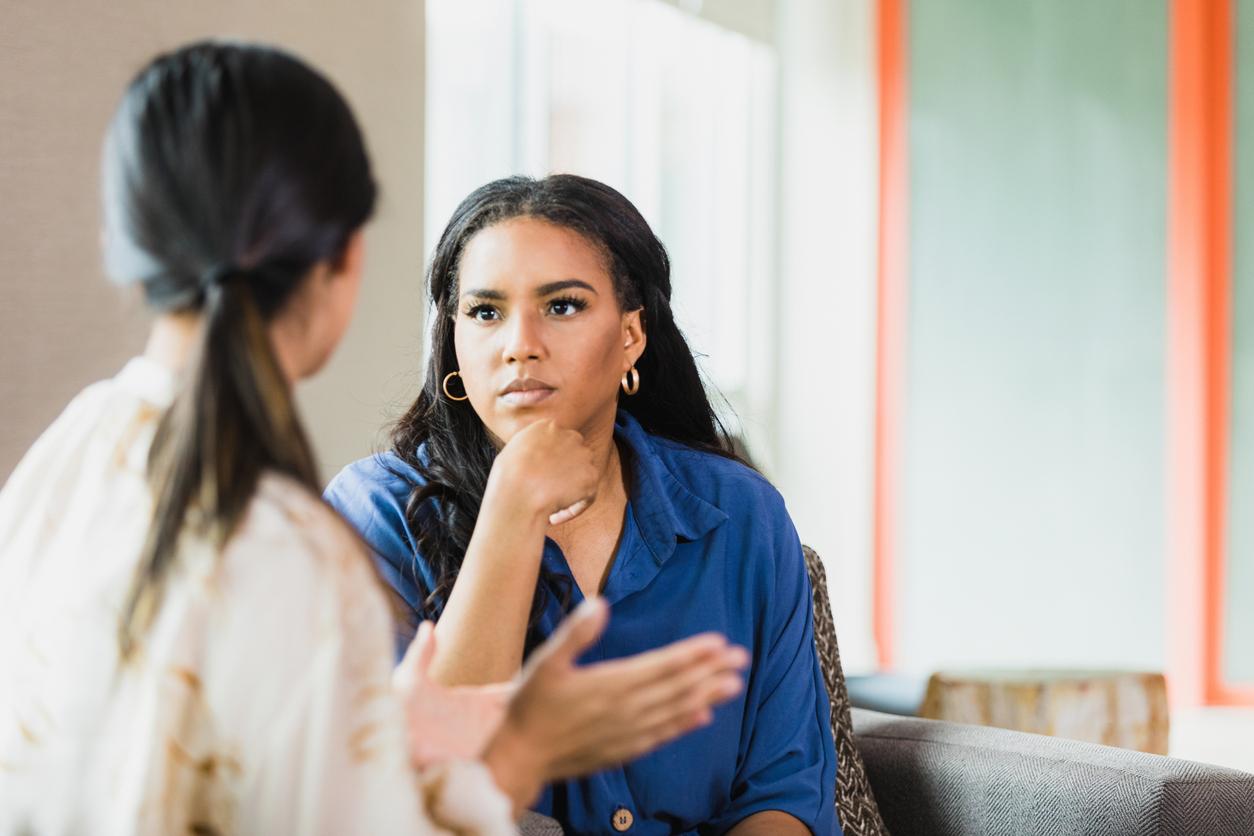
The issue isn’t being a good conflict resolver, empathetic, or peace-loving. The problem is that this role rarely gets respect and is often exploited to the max. “Family peacekeepers” are too often seen not as mediators who help family members grow, but as emotional dumping grounds. Someone to unload all the poison on—what they’re really feeling but don’t dare or want to say to the person it’s meant for. In these moments, the peacekeeper isn’t a catalyst for growth but an emotional punching bag, expected to absorb others’ outbursts with understanding nods.
This role is incredibly draining over time. It steals joy from shared moments because the person acting as lightning rod is always on alert: when will the next conflict need solving? When will the conversation turn tense? When will I have to smooth things over again?
But this burden is not part of being a woman, not a natural trait, not "women’s work." It’s a social expectation passed down through generations—and it’s time to question it.
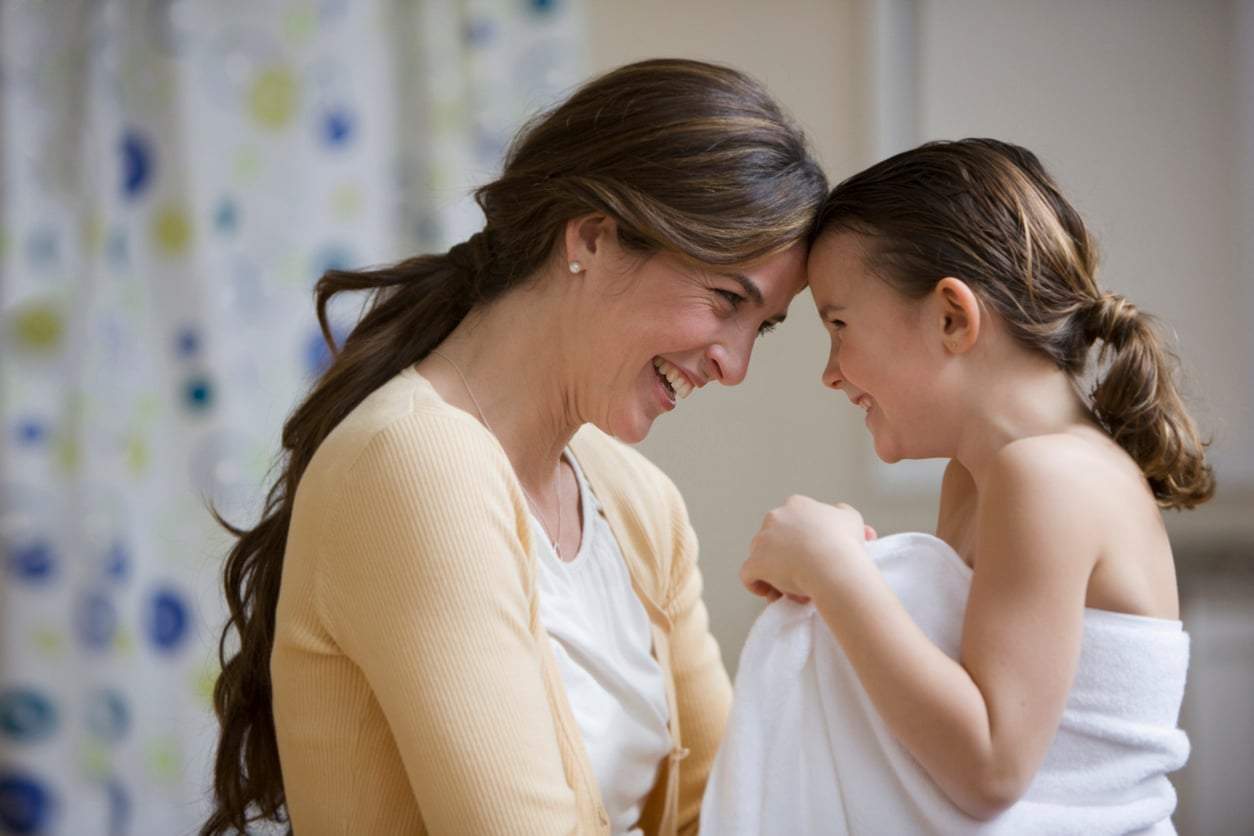
That’s why I’ve decided to be mindful not to pass this role on to my daughter. I’m not raising her to be the peacekeeper between two people who refuse to talk.

I teach her that while we can ask for help in resolving conflicts, each person must take responsibility for their own part in the solution. Taking out our negative feelings on someone else—especially a child—isn’t growth, it’s passing on a burden. That’s why I won’t let other family members use her as a messenger or emotional pawn.
I hope the next generation—her generation—will approach conflicts with much more awareness. They’ll learn that expressing emotions doesn’t mean dumping them on someone else and expecting them to handle it. Disagreements can be resolved without pushing a third party into the middle as a buffer.
As for previous generations, whether they like it or not, it’s time to learn to handle their own conflicts. Because my daughter won’t carry their burdens anymore. She won’t be the family peacekeeper—she’ll be someone who knows peace is a shared responsibility, not a legacy passed down to one woman.