We all carry something from our childhood. Wounds, gaps, unfinished sentences, tears never shed. Some we can name clearly, others linger as a constant tension: a reflex, an overreaction, an unexplained anxiety.
Often, we learn to live with these wounds. We build coping strategies and navigate work, relationships, and daily life. We think we’re mostly okay.
Then our child is born. And if not before, our demons quietly creep out from dark corners, slipping onto our shoulders and biting.
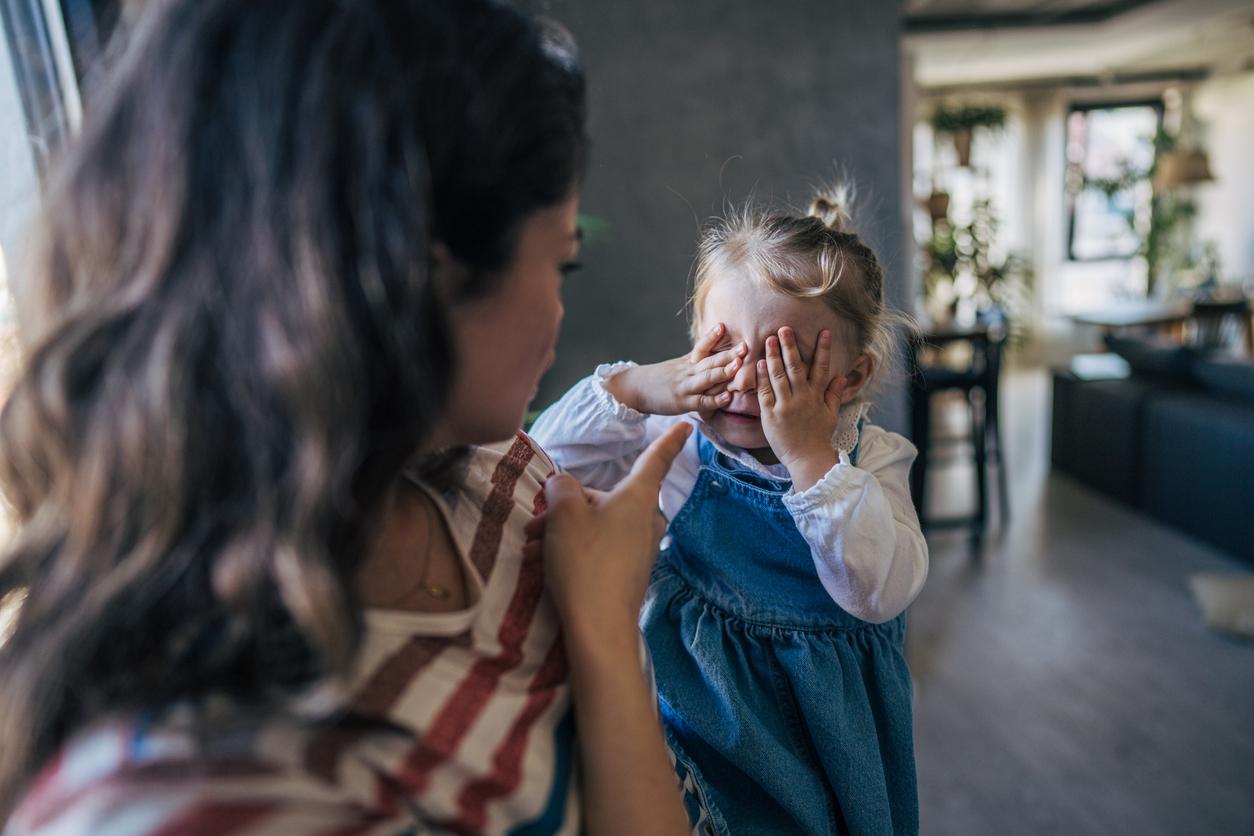
Having a child isn’t just a new role—it’s an emotional rollercoaster. It puts us in situations daily that trigger reactions almost instantly. It’s like there’s a pre-carved path in our brain where nerve pathways race without thinking. The child isn’t doing anything “special”—just refusing to get dressed, talking back, crying, saying no—and something disproportionately strong ignites inside us.

In these moments, we’re not talking to the child. We’re talking to our own past.
To the part of us that wasn’t heard. That wasn’t allowed to throw a tantrum. That was shamed, neglected, overcontrolled, or left alone. Parenting holds up a painfully clear mirror: it reveals where our unresolved stories lie. And those stories shape how we raise our children.
In how we handle tantrums. How we respond to their friends, choices, likes, and dislikes. How we deal with them talking too much or being shy and quiet. What we expect, how we relate to their failures, and what we teach them about their feelings. None of this is conscious—it’s automatic. Reflexive. Inherited nervous system responses.
Here’s the hard truth: we either tame these demons ourselves, or they’ll end up raising our children.
There’s no third way. If we don’t work on ourselves, we’ll pass on our wounds despite our will. Not in the same way, not with the same setting, but with the same demons living inside us across generations. And the child will believe that’s normal—just like we once did.

Why Every Parent Should Consider Therapy
This is why I believe therapy isn’t a luxury or a self-indulgent hobby, but a responsibility. It doesn’t mean “there’s something wrong with me,” but that I take my impact seriously. It means I’m willing to look at what I carry before passing it on. I don’t expect my child to regulate my emotions because I’m ready to own my demons—and I’ve pulled their venom fangs.
Therapy doesn’t make you a perfect parent. It won’t erase anger, exhaustion, or mistakes. But it creates a space between reaction and response. A moment’s pause where I can ask myself: is this my past speaking, or me? Is there real danger and a justified panic, or did my child’s tiny hands just hit a sore spot?
It’s not shameful to carry your demons. Most of us didn’t choose them. But we are responsible for what we do with them. Our children aren’t therapy tools. They’re not here for us to replay our own stories. And if I have to choose, I’d rather tame my demons than leave my child’s upbringing in their hands.