The world changes a lot in just one generation, and the younger ones no longer accept things that were once natural to their parents.
Pushed Around
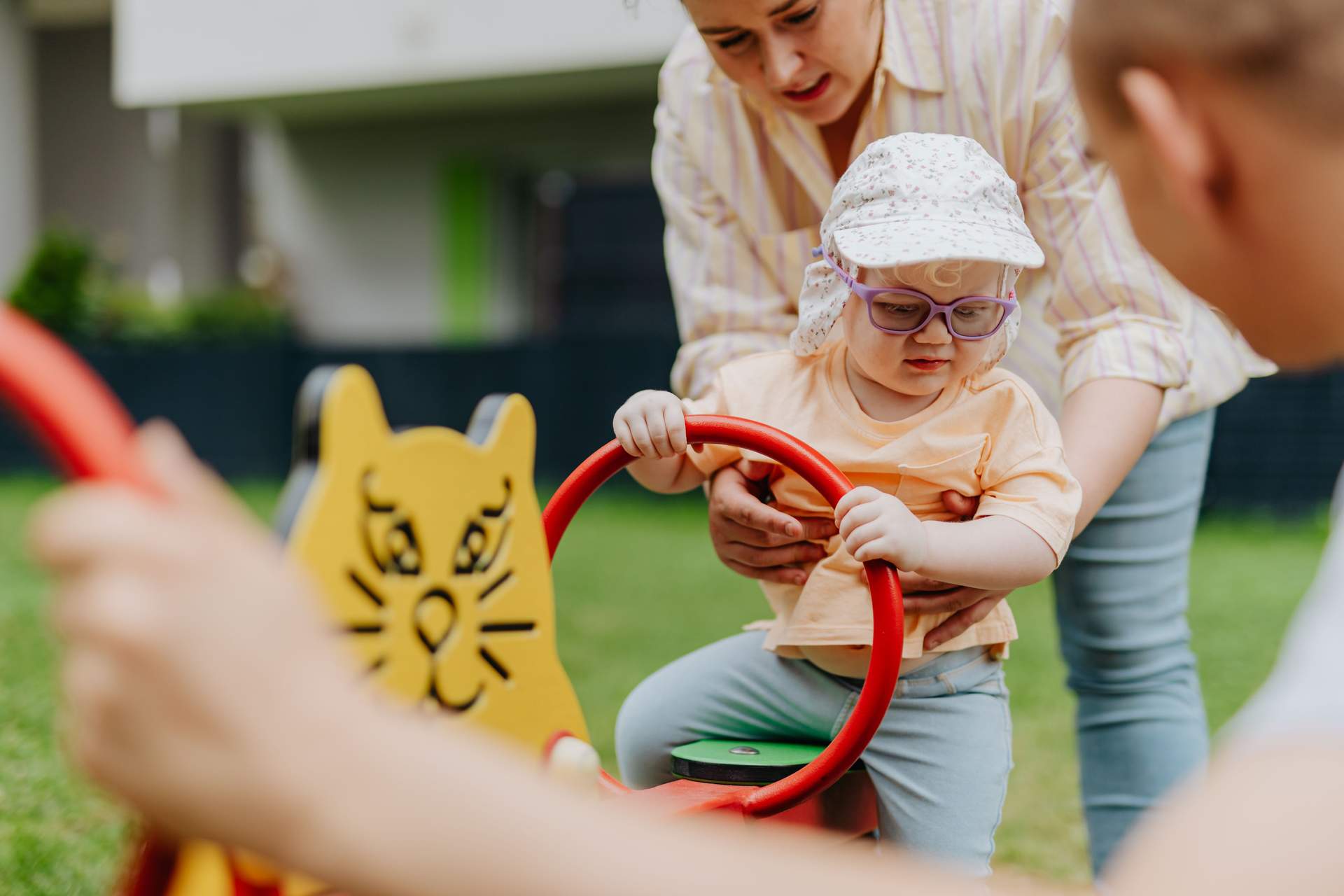
We were having dinner at my grandparents’ place, and my daughter didn’t want to eat the tomato cabbage stew. I told her it was okay to just have soup and meatballs. That should have been the end of it, but my dad launched into a monologue about how much he went without as a kid and how his father would have slapped him if he refused to eat something.
I told him that just because a kid doesn’t like something doesn’t mean they should be forced to choke it down, and that has nothing to do with his father’s tougher childhood. I remember having to force down every hated meal myself, and it didn’t make me a better person—just more traumatized. Let’s stop treating it like a taboo if someone doesn’t love pumpkin stew.
Blindly

For them, unquestioning obedience to elders, the police, traditions, and rules is in their blood. They don’t understand why we young people are always pushing back.
Grinding Away
My parents worked tirelessly their whole lives, and they shake their heads when I say I don’t live to work—I work to live.
Ringing
I had to teach my parents that you don’t have to answer the phone no matter what. Back then, people really only called for important reasons, but today it’s different. Maybe I just want to ask about a recipe, or my sister wants to chat. It’s totally fine to call us back later. You don’t have to drop everything and pick up while my dad is cutting wood with a chainsaw or my mom is cleaning the windows.
On the Contrary
For them, if a kid is quiet and shy, the solution is to tease them even more. I had to explain that this backfires because it just makes the poor kid retreat deeper into their shell, just like I did.
Silence

We don’t talk about what hurts or bothers us. Joy and happiness can be expressed, but sadness and anger must be suppressed and dealt with alone—our parents don’t want to hear about it. (After all, “today’s young people have no reason to be sad since they have everything.”)
Company
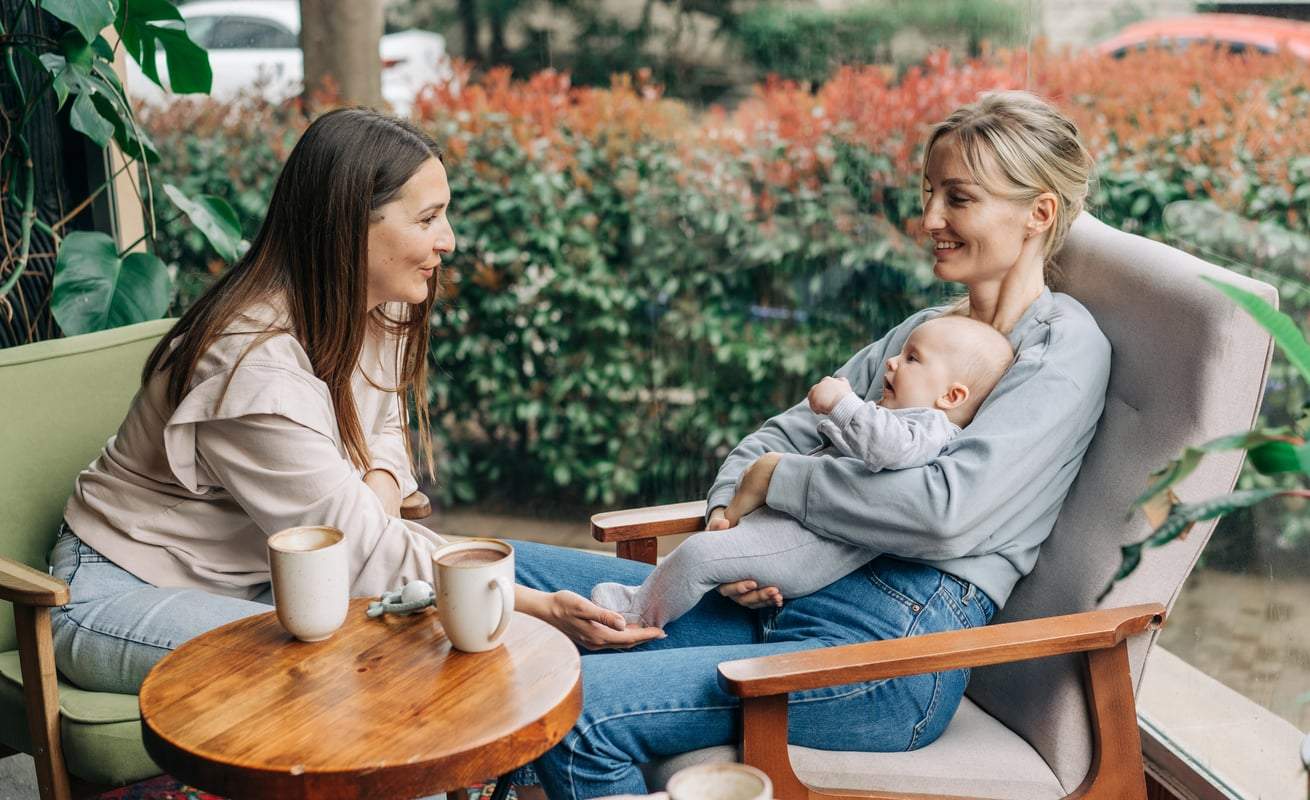
My mom thinks it’s completely normal for a parent to have no friends, since neither she nor my grandparents had any. She was genuinely surprised when I asked her to watch my son while I went out for coffee with my friends.
In her generation, it was natural for a parent—especially a mother—to sacrifice themselves and live entirely for their children. She still looks at me oddly when I say how important my friends are to me.
Openly
My parents believed that if a child asks a question, they’re ready for the answer. So, my siblings and I learned early on that there’s no Santa Claus or Easter Bunny, that grandma didn’t fall asleep but passed away, and that our dog wasn’t lost but hit by a car. I tend to be a bit gentler with my own kids…
Arranged
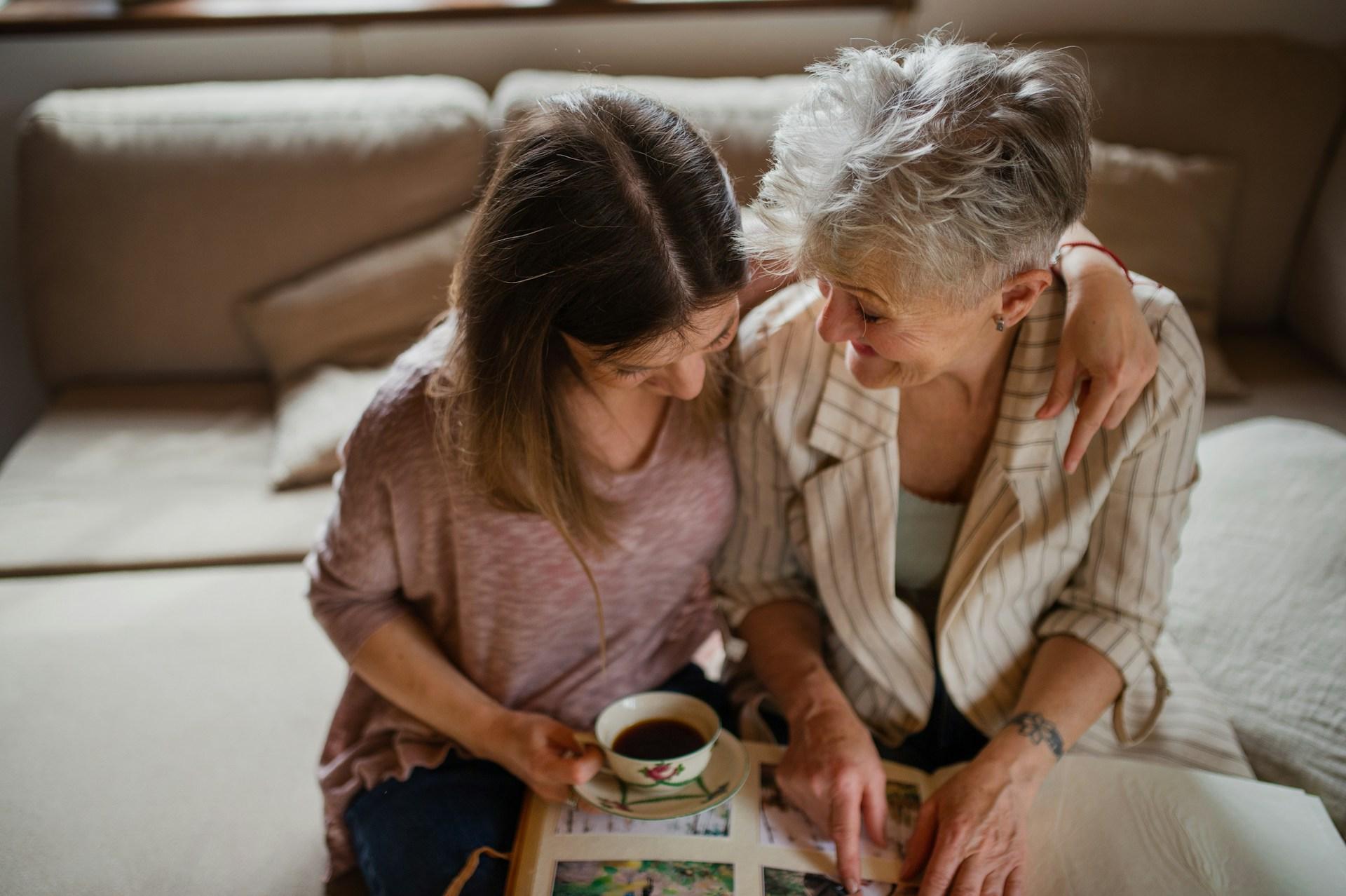
My parents are 75 years old, and they met because their mothers knew each other from church and thought they’d be a good match. They introduced them, and within weeks the wedding was planned. My mom doesn’t understand why I get so worked up about this and can’t see how it could have gone wrong.
Accumulated
My parents grew up with scarcity and lack, so they still save everything. They never throw anything away because they say, “It might come in handy someday.” I go crazy with all the clutter they keep, and they don’t understand why I’m so “wasteful” for tossing out a broken bed frame or shoes with worn soles.