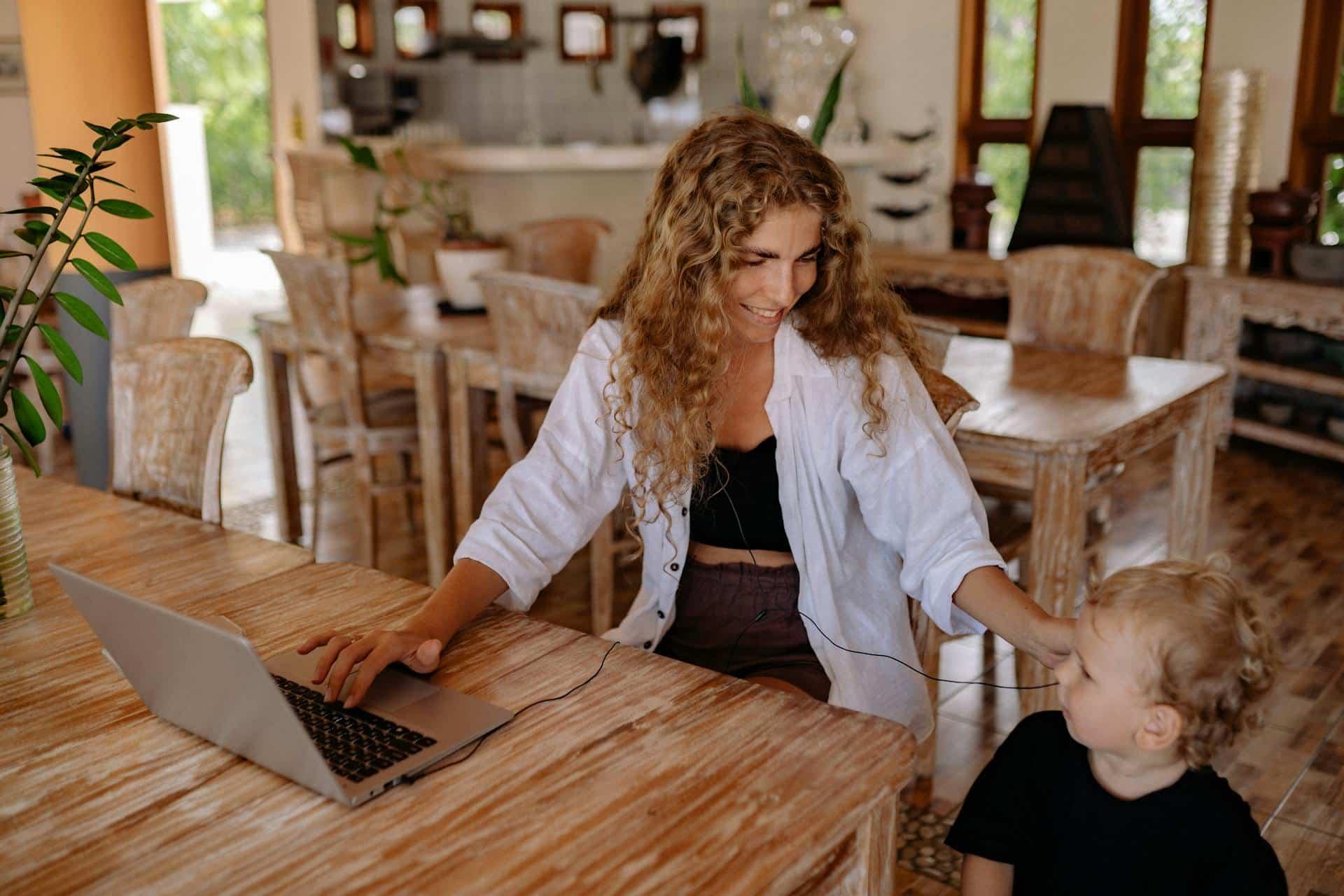
I’m not talking about instructions, quick check-ins, or the usual “How was school?” “Good.” exchanges, but those moments when you truly listen to each other…
I get how tough it is to spend meaningful time together during busy weekdays when everything feels like a race. Still, a new study really surprised me. According to Talker Research, parents spend only 67 hours a year (!) in real communication with their kids. That breaks down to about 11 minutes a day.
Shocking, right? Especially when you think about screen time, hours at work, chores, shopping, or zoning out in front of the usual evening show.
Think it’s different in your home?
Maybe it is, but the study suggests we often overestimate our time together because we count conversations that are really just conflict management. Most parent-child talks aren’t casual chats—they’re about discipline and negotiation. One of the biggest triggers? Mealtime, especially when it comes to veggies.
Most parents know this scene well: the kid looks at the broccoli (or that dish they asked for—true story) and suddenly a battle begins.
But it’s not just food that turns the home vibe into a negotiation table. Parents strike about 5 compromises a week with their kids on everyday issues. And when you think about it, these talks feel more like “business deals” than deep emotional connections—which, sadly, are pretty rare.

Why is quality time so important?
Childhood and especially adolescence are full of uncertainty, questions, and challenges. If a child gets used to not talking deeply with their parents, then later, when they really need support, they won’t know how to ask for it.
As a parent, reconnecting can be incredibly hard, especially if you realize it too late. Of course, it’s worth trying anytime, but it’s much easier if you build a safe space in everyday life where everyone can speak openly. That makes tough times feel more manageable.
How to create more chances to talk?
- Find a daily ritual you share! It could be bedtime stories, getting ready together in the morning, or a short walk where you focus only on each other.
- Turn off the gadgets! Phones and media are huge communication blockers. If you want to talk with your child, put your phone down—better yet, hide it—and ask them to do the same.
- Don’t just ask questions, share stories too! Kids open up more when they see you sharing your own experiences. They learn so much from that!
- Notice the little moments! It’s not just about sitting down for a “serious talk.” A quick hug, a kind word, or shared laughter all help your child feel they can count on you.
The key isn’t to start counting minutes and force more time together just to say you spend more time than average. It’s about improving the quality of that time and how present we are in our children’s lives.
It’s never too late to rethink things because a few minutes of mindful attention daily can make a huge difference. Amid the rush, fatigue, and endless tasks, it might seem like there’s no time to just talk. But it’s not about hours at the table—it’s about your child feeling heard and valued.