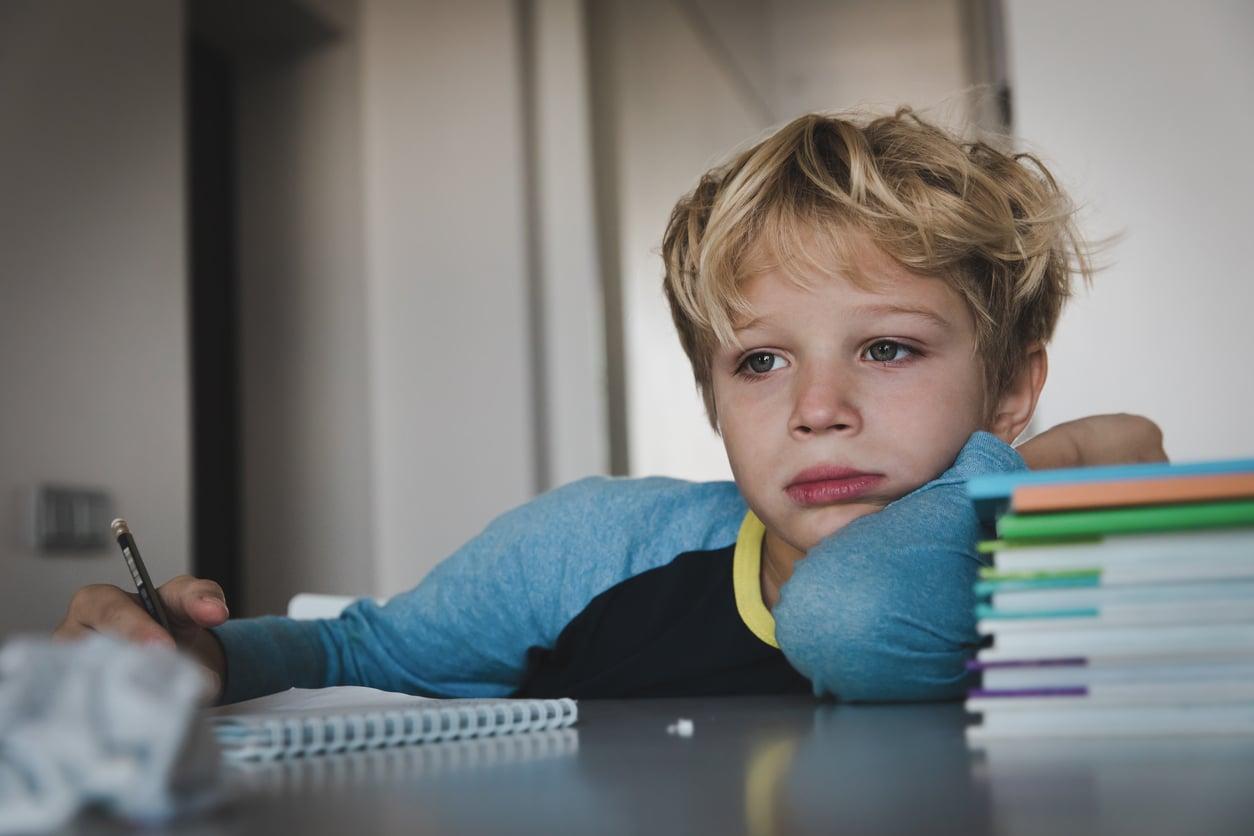
Parents often share concerns that their child can’t sit still, reacts to every little thing, or throws tantrums without clear reason. This behavior can easily be misunderstood, as adults might see it as mischief when it’s often just signs of fatigue. In today’s fast-paced world, both adults and kids can become overwhelmed, which deeply affects brain function and behavior.
What Signs Should You Watch For?
Kids don’t always show tiredness the same way adults do. While they can be sleepy or irritable, fatigue often appears through less obvious signs. One common signal is increased irritability, where even small issues trigger strong reactions. Parents might feel their child is "acting out," but really, they’re just worn out.
Another frequent sign is trouble focusing. When a child can’t concentrate on one thing—like losing interest during a simple game or switching activities repeatedly—it’s usually because their brain is too tired to process information effectively.
Why Is Rest So Important?
A toddler’s brain develops incredibly fast and needs lots of stimulation. But this rapid growth also means they tire easily, as processing new information and building brain connections takes a lot of energy. That’s why plenty of rest—especially quality sleep—is essential.
Research shows that children’s sleep habits directly impact their behavior and thinking skills. Good sleep supports emotional balance, better focus, and learning. Parents should know how much sleep their child needs at each age and aim to provide it consistently.

How Can You Spot Fatigue?
Recognizing tiredness in kids can be tricky, especially when parents themselves are exhausted and stressed. Kids often can’t clearly say they’re tired, so their behavior is the main clue. Watching daily patterns helps parents notice when their child becomes particularly cranky or irritable.
Having consistent routines is key. Regular sleep and meal times, plus quiet moments during the day, help prevent overload. Parents should find a balance between activity and rest to keep their child feeling good.
Tips to Support Rest
If your child is tired and irritable, create a calm space free from distractions like too much screen time or packed schedules. Outdoor play helps burn off energy, but quiet breaks during the day are just as important.
Remember, every child is unique—some need more sleep or downtime than others. The best approach is to tune into your child’s signals and adjust their routine accordingly. When behavior challenges arise, prioritizing rest and good sleep is often the simplest, most effective solution.