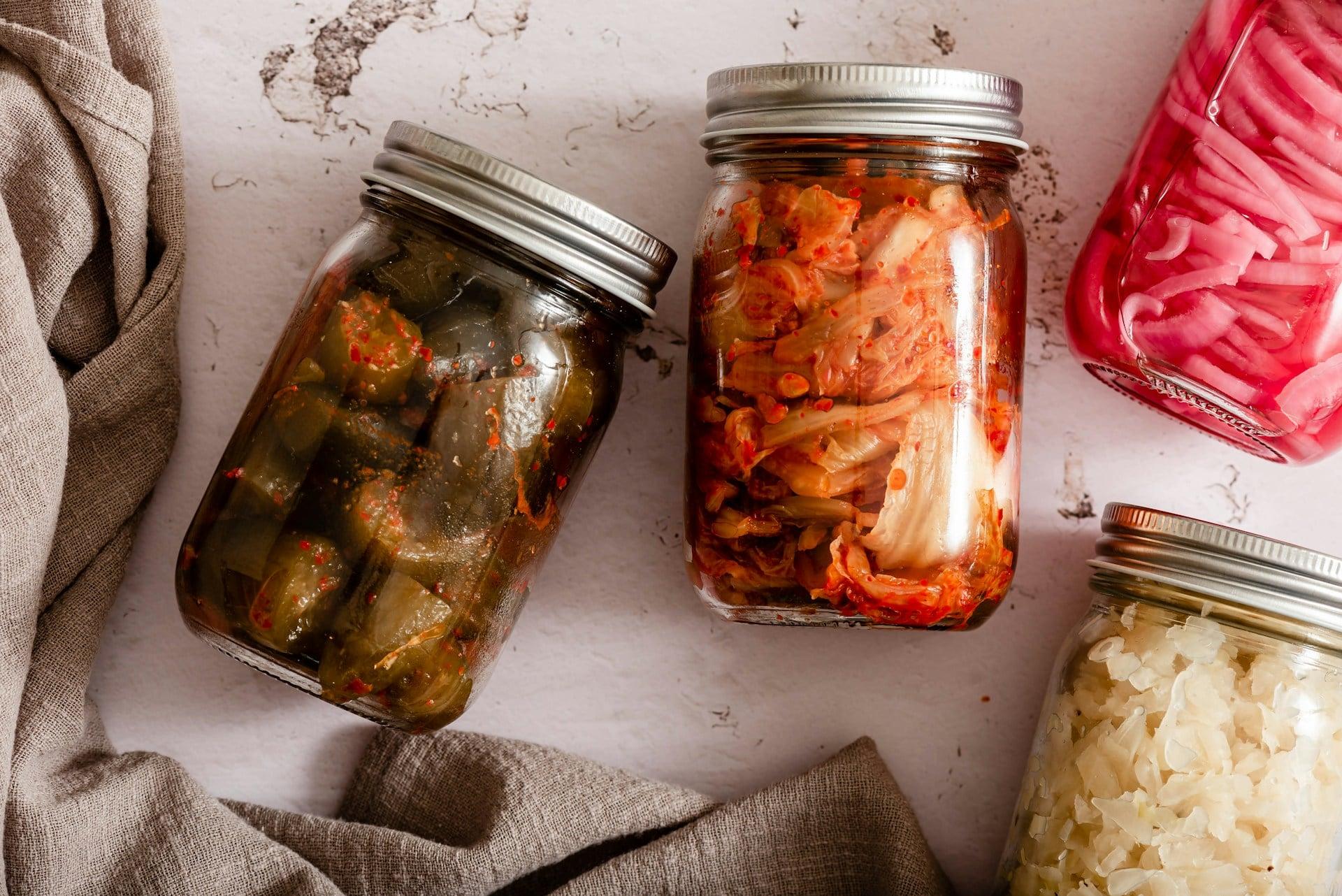
Most people think of fermenting as something you do with cabbage or cucumbers. But summer brings a whole new world of ingredients worth exploring — and some of the best ones are the last things you'd expect. Zucchini, watermelon rind, green beans, and green tomatoes can all be fermented into something genuinely delicious, and the process is simpler than you think.
Zucchini: the ferment that keeps its crunch
Zucchini is one of the most versatile vegetables of the summer season. It's rich in potassium and vitamin C, easy to digest, and — as it turns out — an excellent candidate for fermentation. The process gives it a pleasant tang while keeping that satisfying crunch intact.
Here's how to do it:
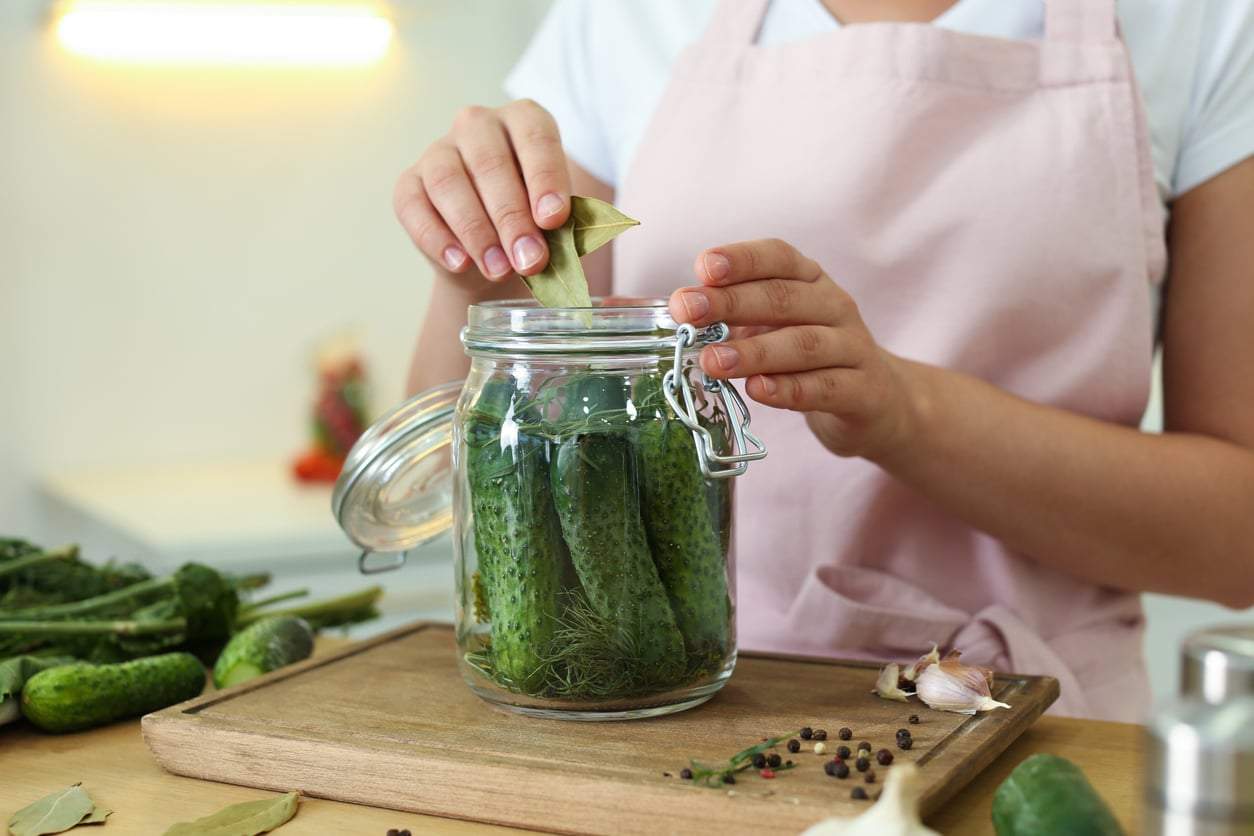
- Slice the zucchini into thin rounds or strips and pack them into a sterilized jar.
- Add garlic, fresh dill, or mustard seeds to build depth of flavor.
- Dissolve 30g of salt in 1 liter of water and pour the brine over the zucchini, making sure it's fully submerged.
- Seal the jar and leave it at room temperature for about a week, then move it somewhere cool to finish.
The result is a bright, lightly sour pickle that works beautifully alongside grilled meats or as a snack straight from the jar.
Watermelon rind: stop throwing this away
Watermelon rind almost always ends up in the bin — but it's actually one of summer's most underrated ingredients. It's high in fiber and vitamins, and when fermented, it develops a surprisingly refreshing, slightly floral flavor that's unlike anything you'd find at a grocery store.
How to ferment watermelon rind:
- Remove the tough green outer skin and use only the white inner rind.
- Cut it into bite-sized pieces and place in a sterilized jar.
- Season with coriander seeds, black pepper, or fresh ginger for an aromatic twist.
- Use the same brine ratio — 30g salt per 1 liter of water — and pour it over the rind until fully covered.
- Ferment at room temperature for about a week, then store in a cool place until the flavor reaches your liking.
It's a great way to get more out of your summer fruit and reduce food waste at the same time.
Green beans: summer's crunchiest ferment
Green beans are a summer staple, and they happen to be one of the most satisfying vegetables to ferment. They hold their shape beautifully during the process, staying crisp while soaking up all the tangy, savory brine around them.
What you'll need to do:
- Trim the ends off the beans and pack them vertically into a sterilized jar.
- Add garlic cloves, dill, or a few slices of hot chili pepper to taste.
- Prepare the brine with 30g of salt per 1 liter of water and pour it over the beans.
- Allow to ferment for 7 to 10 days — these can be kept in the fridge during that time for a slower, more controlled fermentation.
Fermented green beans make a fantastic side dish, a punchy addition to a charcuterie board, or even a bold garnish for a Bloody Mary.
Green tomatoes: the forgotten gem of fermentation
Green tomatoes don't get nearly enough attention. Their natural acidity and firm texture make them ideal for fermentation, and they pair well with almost any spice combination you can think of. Once fermented, they develop a complex, layered flavor that's hard to describe but impossible to stop eating.
- Cut the green tomatoes into bite-sized chunks and place them in a sterilized jar.
- Season with sliced onion, fresh basil, or chili flakes depending on your preference.
- Add the brine — 30g salt per 1 liter of water — making sure the tomatoes are fully submerged.
- Ferment at room temperature for 7 to 10 days, then transfer to a cool spot for storage.
They're brilliant as a condiment, stirred into sauces, or served alongside cheese and bread for a quick summer appetizer.
Why summer is the best time to start fermenting
Fermentation isn't just a preservation technique — it's a creative practice. The warm temperatures of summer actually speed up the process, making it the ideal season to experiment. And with so many seasonal ingredients at their peak right now, there's no better time to start playing with flavors.
Whether you're a seasoned fermenter or picking up a jar for the first time, these four ingredients are a wonderful place to begin. The investment is minimal, the payoff is huge, and every batch teaches you something new.