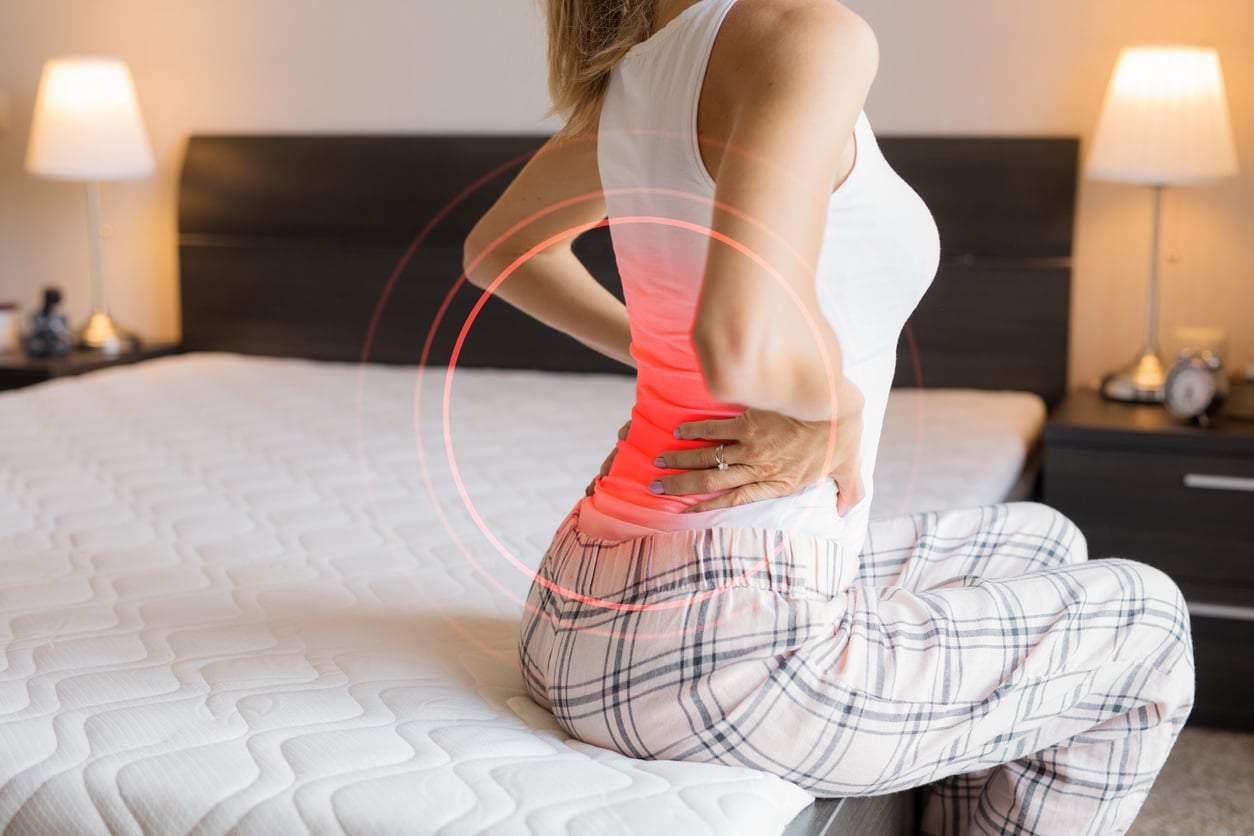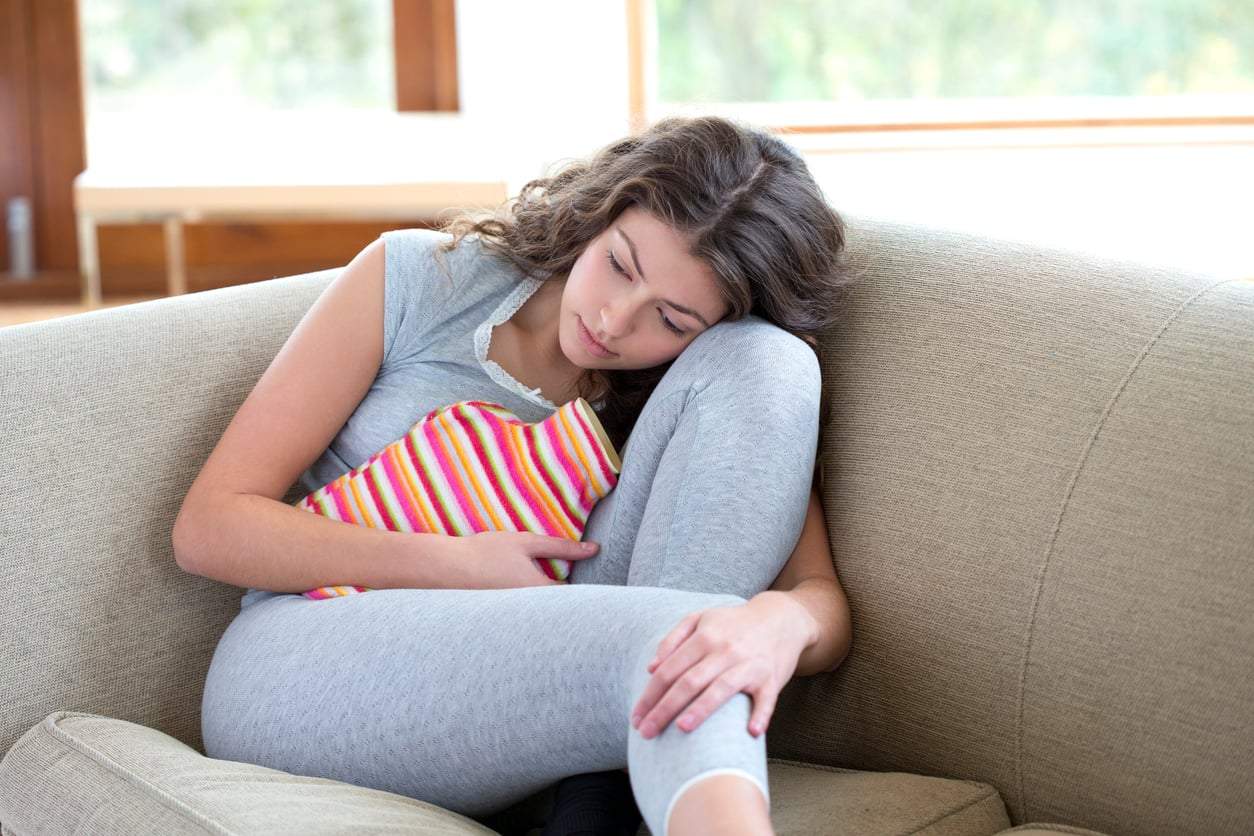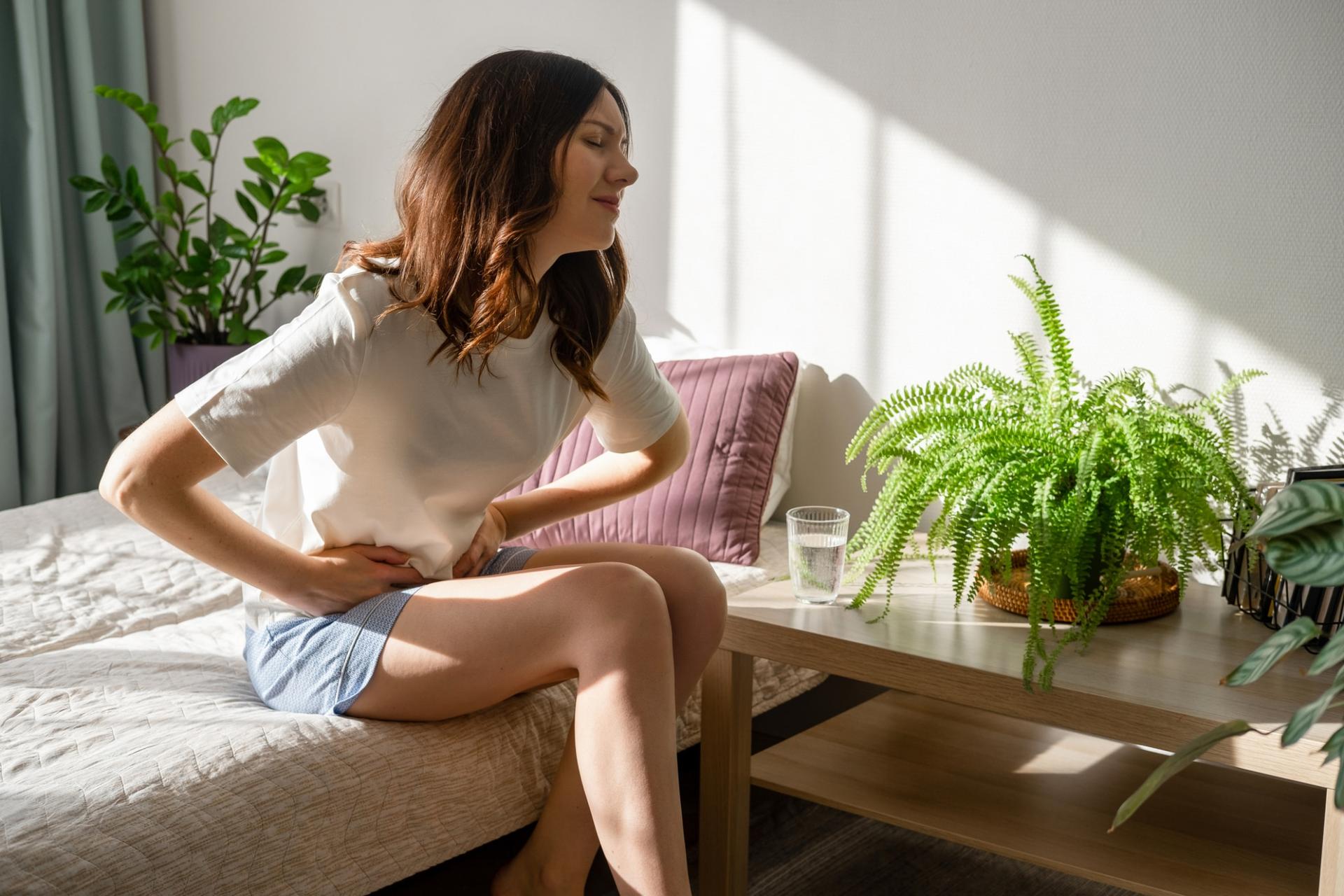
For many women, their period can be the few days each month when even routine activities feel tough due to pain and discomfort. While unpleasant symptoms during menstruation often seem unavoidable, small changes in daily habits can bring noticeable relief. So, let’s dive into common habits that may be making menstrual cramps worse and deserve your attention.
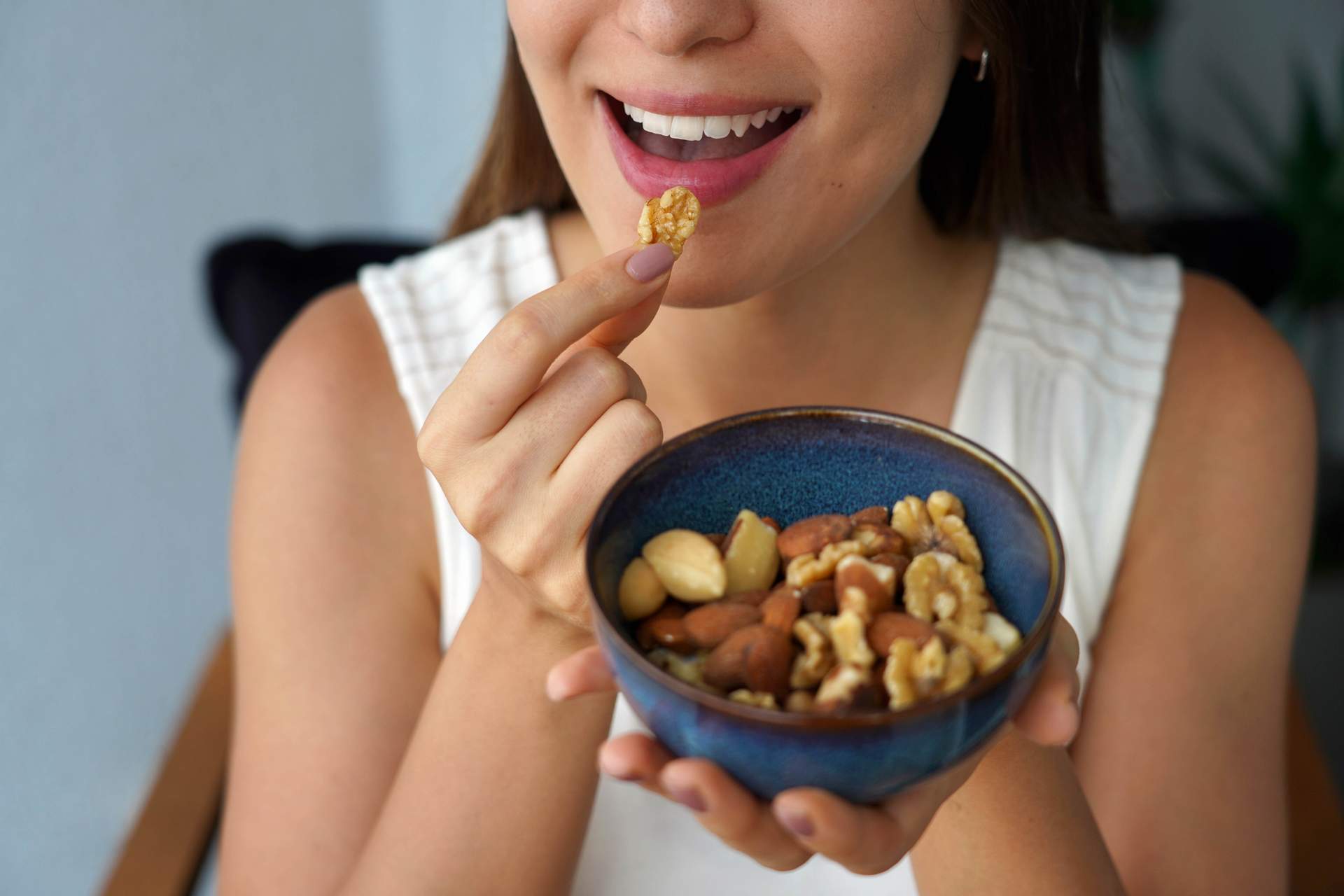
Unhealthy Eating Habits
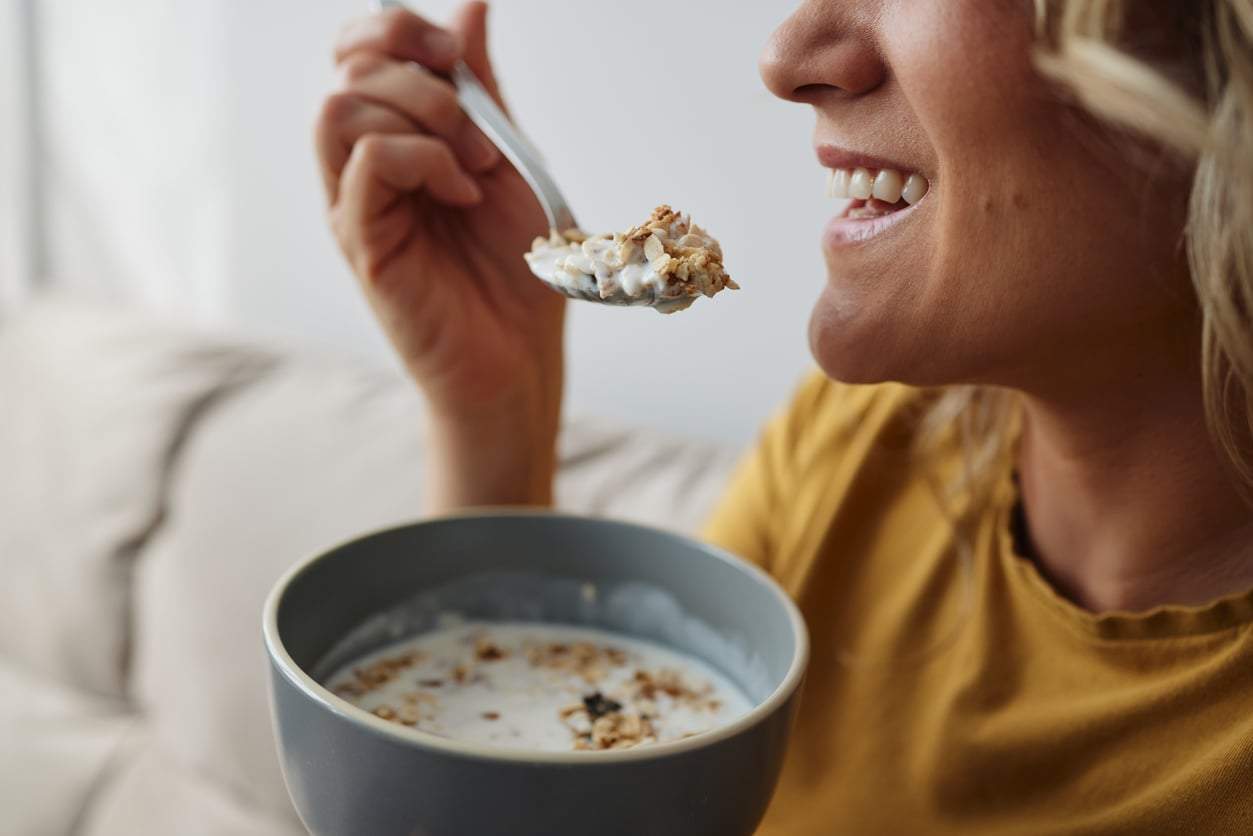
Eating well is key to overall health, so it’s no surprise that what you eat during your period affects how you feel. High-sodium foods, heavily processed snacks, and sugary drinks can cause bloating and water retention, which often worsen menstrual cramps.
To support hormonal balance, aim to include plenty of fresh veggies, fruits, and whole grains in your meals.
Leafy greens like spinach and kale are especially helpful during this time—they’re packed with iron and magnesium, which relax muscles and ease cramps. Staying mindful about nutrition, including drinking enough water, can really soften menstrual symptoms.
Not Drinking Enough Fluids
Water is essential for all living things, and staying hydrated during your period is even more important. Dehydration can worsen cramps because your body struggles to flush out toxins without enough fluids.
Try to drink at least two liters of water daily, and avoid caffeine-rich drinks like coffee and strong tea, which can increase dehydration.
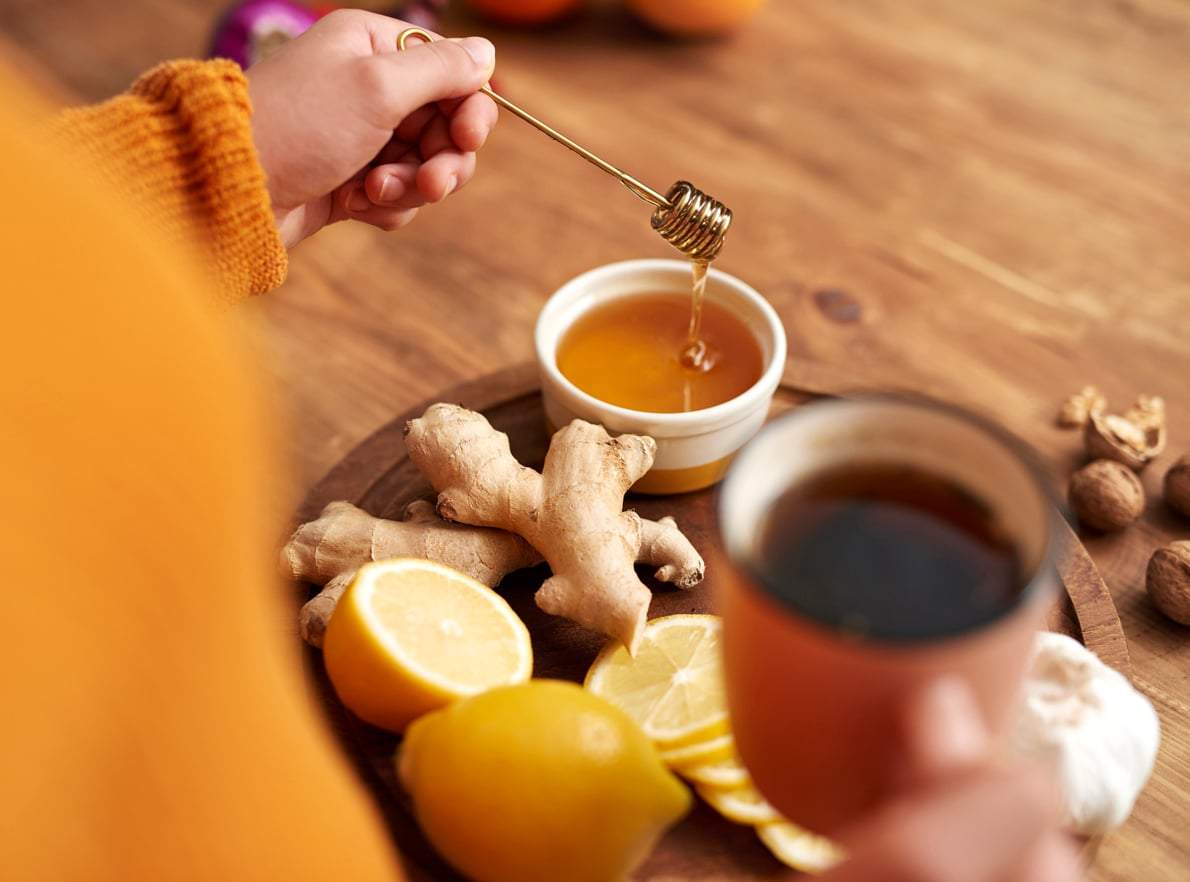
Keep in mind, caffeine not only worsens dehydration but can also increase nervous tension and mood swings. So, if you can, cut back during your period. Herbal teas like chamomile or mint are soothing and may help ease cramps and stress.
Lack of Movement
Pain often makes us want to move less, but gentle, regular exercise can actually help ease menstrual pain.
Physical activity boosts endorphins, your body’s natural painkillers, improves circulation, reduces stress, and lifts your overall mood.
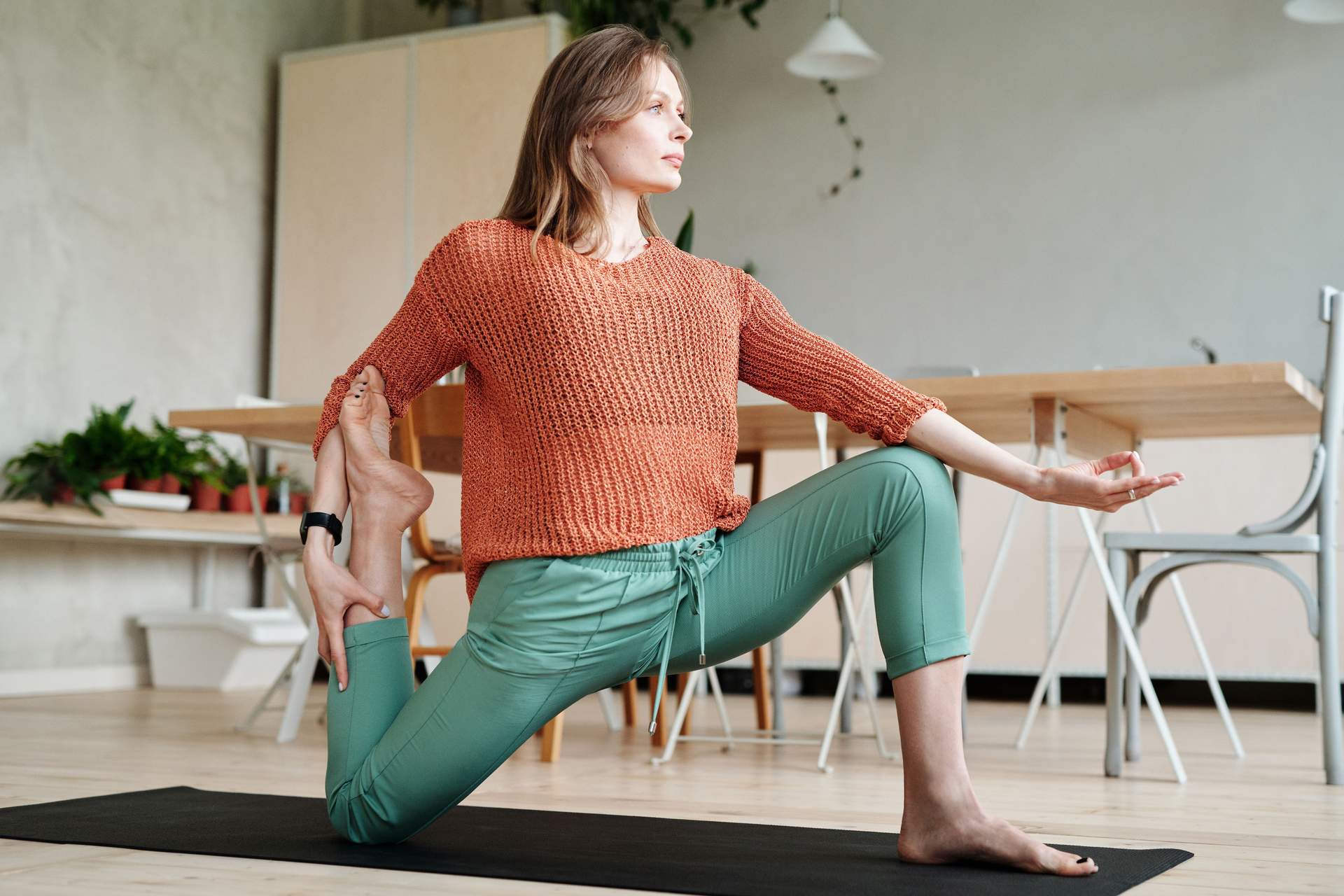
Aim for at least three short but effective workouts a week, like walking, swimming, or gentle yoga. Yoga is especially great because certain poses target abdominal muscles and the spine, helping relieve cramps while promoting relaxation.
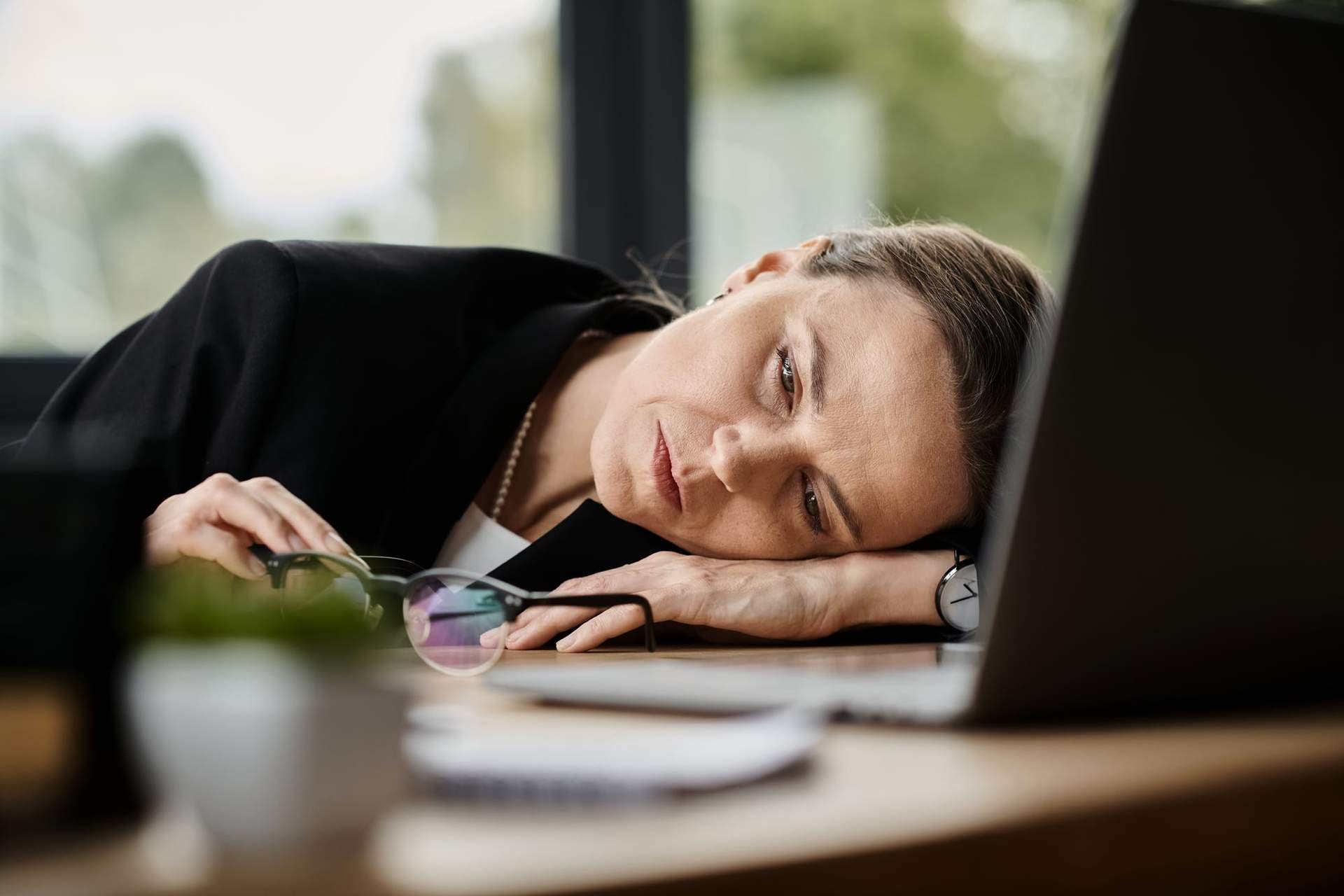
Stress and Sleep Issues
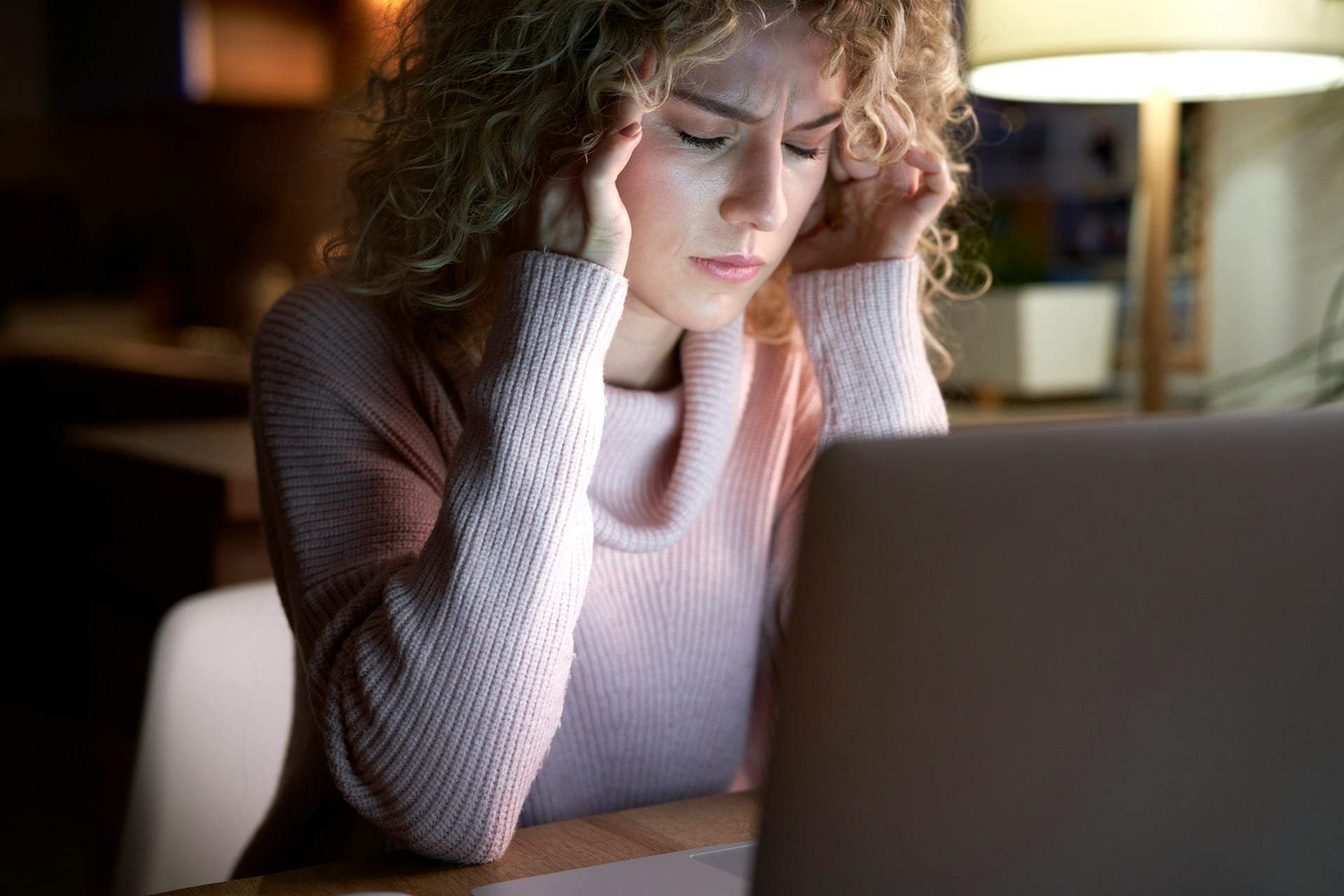
Stress is a regular part of life and can become even more intense during your period. It can seriously worsen symptoms by disrupting hormonal balance and increasing cramps and emotional ups and downs.
Relaxation techniques like deep breathing, meditation, or progressive muscle relaxation are proven ways to lower stress. Also, prioritize good sleep—restorative sleep helps rebalance your mind and body, which is key to easing menstrual pain.
Alcohol Consumption
Alcohol can be a tricky topic, but it’s clear that excessive drinking has many negative effects on the body. During your period, alcohol can be especially harmful because it contributes to dehydration and intensifies cramps.
A glass of red wine might feel relaxing, but it’s best to drink in moderation or skip alcohol altogether during your period. Non-alcoholic options like fruit smoothies or sparkling water are great for staying hydrated and refreshed.
In short, managing menstrual pain depends on many factors, and lifestyle tweaks can make those days much easier. Adjusting your diet, staying hydrated, moving regularly, managing stress, and limiting alcohol all help turn your period from a challenge into a natural, more comfortable part of life.