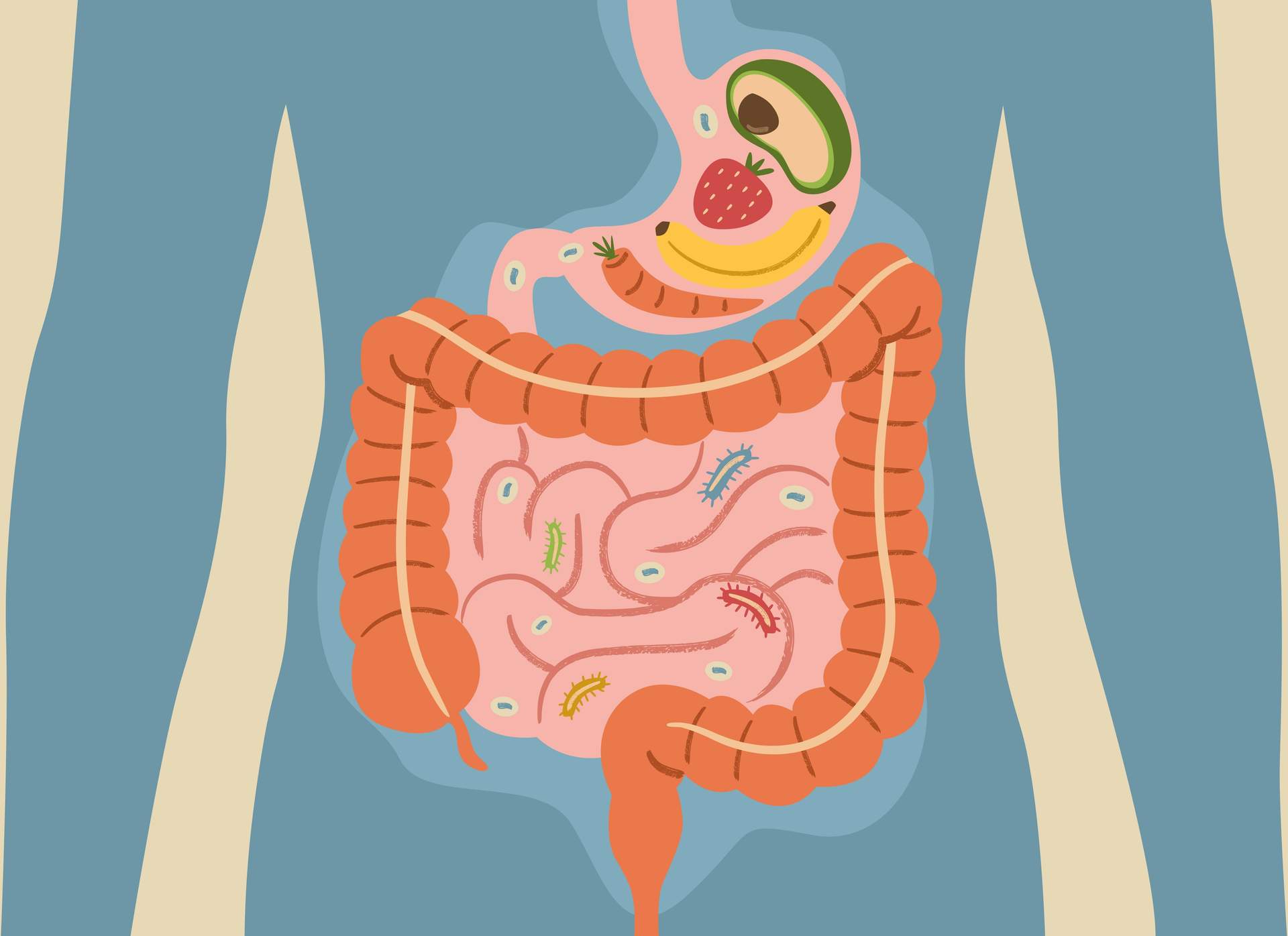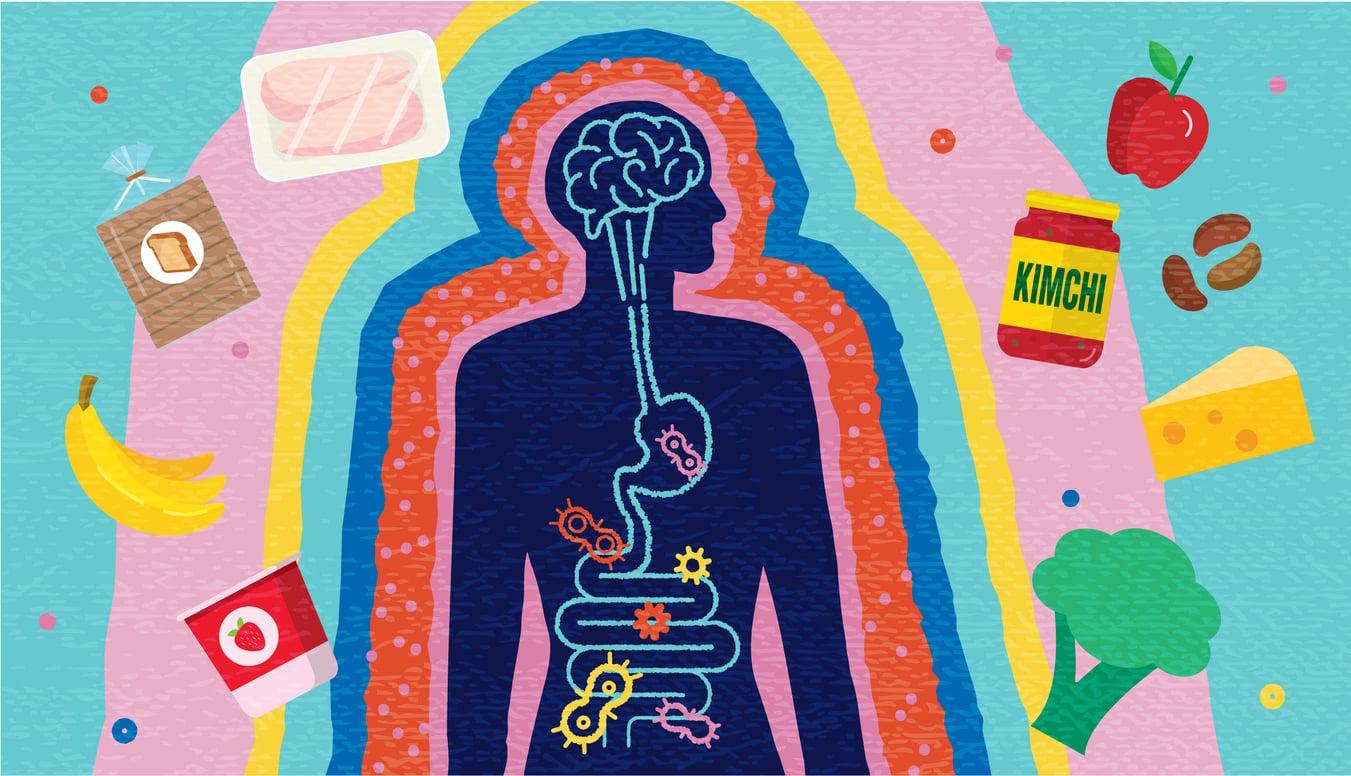
Your gut does way more for you than you might think! It helps digest food, reduces inflammation, and boosts your energy. “A healthy gut flora means a diverse, stable microbiome, smooth digestion, and a body that resists inflammation,” says Janelle Connell, a registered dietitian. “Practically, I know my gut is healthy when I can comfortably enjoy a variety of whole foods without symptoms, have regular digestion, and feel energized.”
Still, we often don’t return the favor to our guts. With help from nutrition experts, we’ve gathered everyday habits that seem innocent but can quietly harm your gut health.
Chronic Stress
“The gut and brain are closely connected,” explains Connell. “Stress hormones like cortisol directly affect this gut-brain axis, slowing digestion and altering gut motility. This can cause discomfort and change the balance of bacteria in your gut. If stress goes unmanaged, it can increase gut permeability, leading to inflammation not just in the gut but throughout the body.”
Managing chronic stress isn’t easy, but mental health practices benefit both your brain and your gut.

Poor Sleep
Like most things, it comes back to quality sleep. “Gut microbes follow a circadian rhythm just like we do,” says Connell. “Irregular or insufficient sleep disrupts these cycles, reduces microbiome diversity, lowers beneficial bacteria, and increases harmful ones. This can interfere with the gut’s overnight repair, making the gut lining more vulnerable.”
Try healthy sleep habits: go to bed at the same time daily and limit blue light exposure.
Overdoing the Same Foods
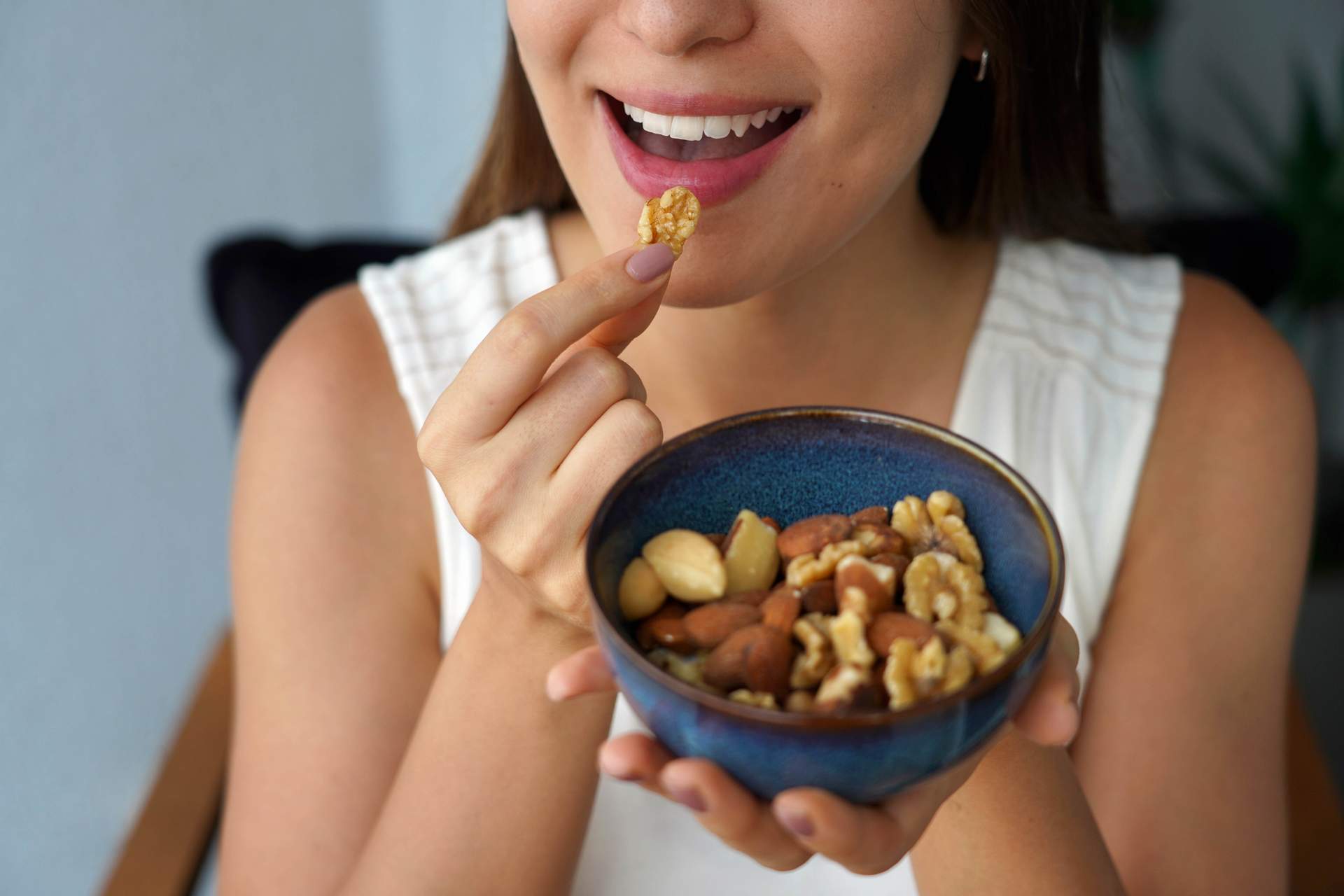
It’s easy to stick to familiar meals, but a monotonous diet can hurt your gut. “Eating the same foods repeatedly—even healthy ones—limits nutrient variety,” says Maggie Moon, a registered dietitian. “Your microbiome thrives and diversifies when you include a range of plant-based foods.”
Try adding a new fruit or vegetable to your diet each week—you might be pleasantly surprised by how much you enjoy it.

Avoiding Carbs
Carbs get a bad rap, but they’re vital for gut health. “Avoiding carbs means missing out on complex carbs that feed good gut bacteria,” says Moon. Don’t be afraid to include carbs in your meals. Let’s be honest—a fresh slice of bread is hard to resist anyway.
Overusing Medications
Connell and Moon agree that too many medications—especially antibiotics and painkillers—can cause lasting gut damage. “NSAIDs like ibuprofen, naproxen, and aspirin are common for pain, headaches, or inflammation,” says Connell. “Used occasionally and as directed, they’re safe, but frequent use can harm the gut lining. These drugs reduce prostaglandins that protect the gut’s mucosa, making it easier for acid and enzymes to cause irritation. Over time, regular use can increase risks of leaky gut, bleeding, or inflammation, and shift the microbiome toward more harmful bacteria.”
Your gut works hard for you and deserves some TLC. Eating a varied diet, getting restful sleep, managing stress, and using medications mindfully all help keep your microbiome balanced. This not only supports digestion but also boosts your energy. Start adding these habits little by little—you’ll be amazed at how gratefully your gut responds.