Bien Logo

5 Phrases to Never Say to Your Child to Keep Their Self-Worth Intact

Isabella Reed2 min read
Share:
5 Phrases to Never Say to Your Child to Keep Their Self-Worth Intact — Family
In this article

Parenting comes with its challenges and sometimes frustrating moments. But some phrases can really hurt your child’s emotional world and are best avoided.

"You never do anything right!"

This phrase can be deeply damaging because it tells your child that everything they do is pointless and worthless.

Kids learn and grow by making mistakes, which are a natural part of their development.

If they feel like they can’t do anything right, they may lose motivation and start doubting their abilities. Instead, praise their efforts and help them see the lessons in their mistakes.
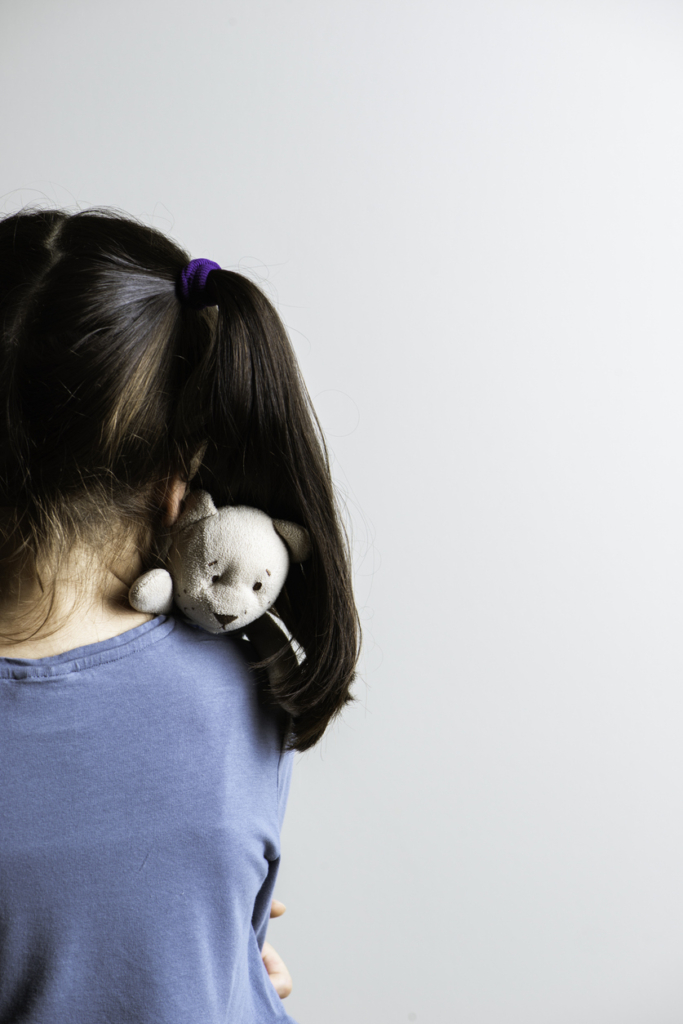
Curly-haired girl standing with her back, plush toy on her shoulder

"I wish you were more like your sibling!"

Comparing siblings can seriously harm a child’s self-esteem. This phrase can make them feel unaccepted for who they are. Constant comparisons can lower confidence and spark rivalry between siblings. Treat each child as a unique individual and focus on their strengths to support their growth.

"Big boys/girls don’t behave like that!"

This phrase often implies that the child’s behavior is unacceptable or shameful. While responsible behavior is important, it’s better to understand your child’s developmental stage and emotions. Showing empathy and guidance helps them learn positive behaviors more effectively than shame.

Sad girl looking through a foggy window

"Just don’t worry about it!"

It’s often easier to say "just don’t worry," but this can make a child feel that their feelings are unimportant or silly. Children’s emotions are just as real as adults’, and they need to feel heard and understood. Help them express their feelings and try to understand what’s causing their worry. Instead, work together to find solutions!

"Why can’t you understand?"

This phrase can suggest your child isn’t smart enough to grasp important things. Such words can lead to long-term self-esteem issues, making the child feel unintelligent. Instead, patiently explain things repeatedly, using different approaches if needed, to support their understanding.

Creating a sensitive, supportive environment is key to healthy emotional growth in children. Offering emotional safety and choosing our words carefully opens the door to growth and development.


Related reads

5 signs you're a people pleaser — and why others take advantage of you for it — Lifestyle

5 signs you're a people pleaser — and why others take advantage of you for it

Always saying yes feels kind — but it could be costing you more than you think. Here are 5 telling signs people love your compliance, not you.

Isabella Reed
This is the adult you become when you didn't get enough love as a child — Family

This is the adult you become when you didn't get enough love as a child

Childhood shapes us more than we realize. If emotional neglect was part of your story, these lasting patterns in love, trust, and self-worth may feel painfully familiar.

Isabella Reed
6 signs you were a child who never wanted to cause trouble — Family

6 signs you were a child who never wanted to cause trouble

If you spent your childhood trying to stay quiet, avoid conflict, and always meet everyone's expectations, it may still be shaping your life today.

Isabella Reed
Does Saying No Make Me Selfish? How I Finally Learned to Set Boundaries — Lifestyle

Does Saying No Make Me Selfish? How I Finally Learned to Set Boundaries

I used to think being a good person meant always being available. Then I realized that setting boundaries isn't rejection — it's self-preservation.

Barbara Lee
Screen-Free Time: Letting Them Get Bored Because This Is How They Truly Learn — Family

Screen-Free Time: Letting Them Get Bored Because This Is How They Truly Learn

As a long school break approaches, the question often arises: how do we keep kids engaged? But boredom isn’t the enemy—it’s a chance to spark creativity and independence.

Elizabeth Carter
Think you're the only normal one in your family? Here's what psychology has to say — Family

Think you're the only normal one in your family? Here's what psychology has to say

Everyone has said it at least once: "I'm the only sane one in my family." But psychology reveals something uncomfortable — and strangely freeing — about that belief.

Margaret Wolf