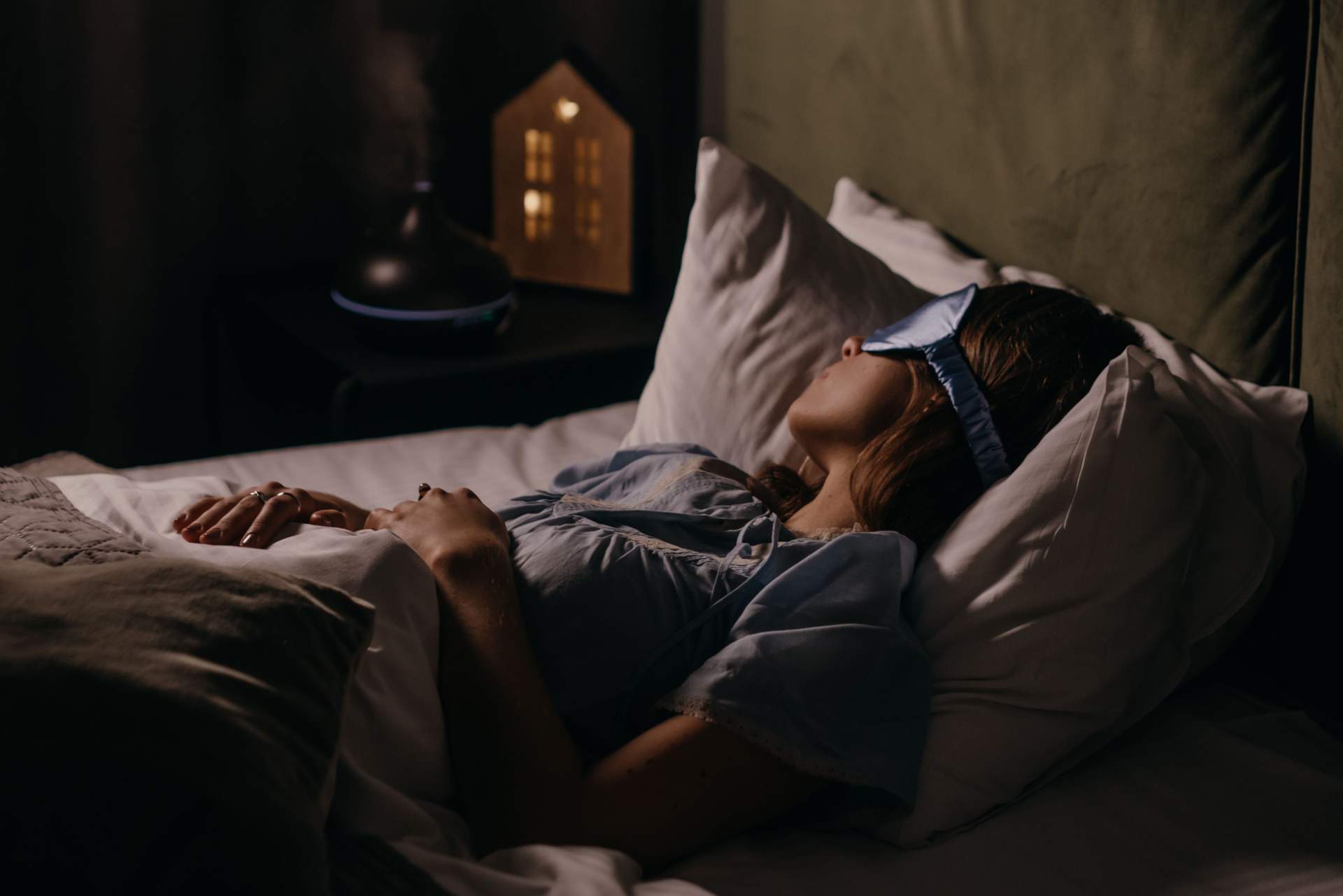
It can easily happen that after a hectic day, you feel that restful sleep is an almost impossible mission. However, if your nighttime rest is not adequate, it inevitably leaves a mark on your next day. The quality of sleep is influenced by various factors, nodding among themselves to daytime stress and constantly swirling thoughts. The physical activity throughout the day, the quality of the food consumed, and the atmosphere of your bedroom are also not negligible. Below, we present five tried and scientifically supported methods that help you feel truly energetic and rested in the mornings.
Stress Reduction with Meditation
Unfortunately, stress is part of almost everyone’s daily life. However, there is a close connection between your nighttime rest and stress levels. Proper stress management can be key to falling asleep easily and ensuring your night provides the most rest possible.
There are many methods worth trying, including meditation or the calming practices of yoga. These tools not only help with relaxation but also more easily eliminate the tensions accumulated during the day.
During meditation, try to apply a simple breathing technique: focus on slow, deep inhales and exhales while releasing the tension gathered throughout the day. Yoga can have a similar effect, especially poses and exercises that help stretch and relax muscles. These all help you fall asleep more easily in the evening and wake up more rested in the morning.
Always Have Some Physical Activity During the Day
Daily physical activity is extremely significant for rest. Physical activity refreshes not only our body but also our mind. Forms of exercise such as running, brisk walking, or even home workouts have beneficial effects on stress management and overall well-being. However, be careful not to perform overly intense workouts right before bedtime, as this can disrupt nighttime rest.
Regular movement also helps regulate your body's internal clock, which contributes to reducing sleep disorders. If you exercise more in the morning hours, it can provide an extra advantage, as the body's energy level naturally increases at this time and lasts throughout the day.
Diet and Sleep
Nutrition greatly affects how you feel in the evening when you go to bed. Heavy and burdensome foods consumed in the evening can hinder sleep, so it is worth choosing lighter, easily digestible dinners. What you eat is at least as important as when you consume your meals.
The ideal time for dinner is two to three hours before bedtime. This way, the digestion of food does not interfere with falling asleep.
It is also advisable to moderate the consumption of caffeinated drinks—such as coffee and certain teas—from the late afternoon onwards. Instead of drinking strong coffee in the evening, try caffeine-free alternatives or prepare a cup of calming herbal tea, like chamomile, which can help with proper sleep.
The Bedroom Setup
Creating the right sleep environment plays a critical role in sleeping restfully. Regulating the room temperature is one of the most important factors; too hot or too cold an environment can disrupt nighttime rest, so maintaining a temperature between 18-20 degrees Celsius is recommended.
Choosing the right pillow and mattress can also determine the quality of your sleep. Use products that support the spine and promote comfortable lying. Don’t forget to darken the room, as complete darkness helps the production of the hormone melatonin, which is essential for the proper functioning of the sleep cycle. If external noise bothers you, a white noise machine or simple earplugs can also help a lot.
Sleep Routine
One of the most effective methods to improve sleep quality is perhaps establishing a regular sleep routine. Creating and maintaining a daily routine, including waking up and going to bed at the same time, helps regulate your internal clock, making it easier to fall asleep and wake up rested.
Calm activities introduced before sleep, such as reading a book or a hot bath, also contribute to more restful nights.
Try to avoid the blue light emitted by screens in the evening hours, as it negatively affects the quality of falling asleep. Keep in mind that although modern technology is tempting, turning off your devices an hour before bedtime can greatly improve sleep quality. These small but effective changes are essential for waking up rested and starting your day energetically.