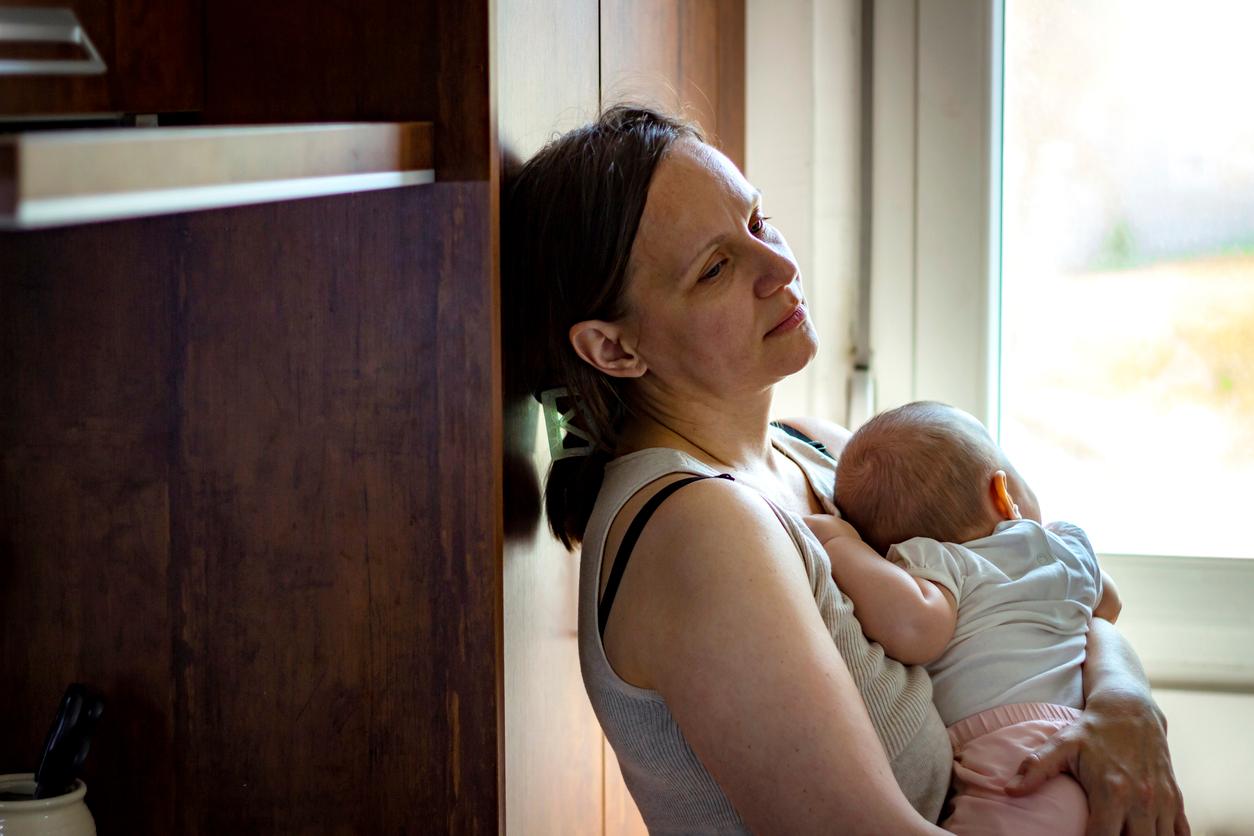
Motherhood is one of the most meaningful things a person can experience — but it can also quietly drain you in ways that are hard to name. Burnout doesn't always arrive loudly. Sometimes it creeps in slowly, disguising itself as tiredness, irritability, or just feeling... numb. If something feels off lately, these five signs might explain why.
Signs you might be experiencing mom burnout
1. You're exhausted no matter how much you sleep
There's normal tiredness — and then there's the kind of bone-deep fatigue that doesn't go away even after a full night's rest. Chronic exhaustion is one of the most common early signs of burnout, and it hits especially hard when you feel like you're carrying everything alone. Research suggests that around 60% of parents experience this kind of persistent fatigue at some point.
If you wake up already tired, that's worth paying attention to.
2. You feel emotionally detached from things you used to love
One of the more painful signs of burnout is emotional numbness. Many moms describe a point where they go through the motions — playing with their kids, attending family events — without actually feeling present. It's not that they don't love their family. It's that the emotional tank is simply empty.
This detachment tends to grow gradually, which is part of what makes it so easy to miss until it's become a real problem.
3. Your confidence has taken a serious hit
When you're constantly juggling the household, the kids, and everything else life demands, self-doubt can quietly take root. The relentless pressure to do it all — and do it well — chips away at your sense of self-worth over time. Studies consistently show that women in high-demand caregiving roles are particularly vulnerable to a loss of confidence during burnout.
You are not failing. You are overwhelmed. There's a difference.
4. You keep getting sick
Burnout isn't just emotional — it shows up in the body too. Chronic stress suppresses the immune system, which means burned-out moms often find themselves catching every cold that comes around, dealing with persistent headaches, or feeling physically run down for no obvious reason.
If you've noticed you're getting ill more frequently than usual, your body may be sending a clear message that something needs to change.
5. Your patience has almost completely disappeared
Snapping at your kids over small things. Feeling irritated by your partner for no real reason. Reacting to minor frustrations as if they were major crises. Growing irritability is a classic sign that your nervous system is overloaded.
It doesn't make you a bad mother. It makes you a human being who has been running on empty for too long.
How to start pulling yourself back from the edge
1. Protect time that is only for you
This isn't a luxury — it's a necessity. Scheduling even 30 minutes a day that belong entirely to you can make a measurable difference. A bath, a walk, a chapter of a book, a coffee in silence. The activity matters less than the intention: this time is yours, and it is non-negotiable.
Start small if you have to. But start.
2. Find your people
Isolation makes burnout worse. Connecting with other mothers who genuinely understand what you're going through — whether in person or online — can be surprisingly powerful for your emotional wellbeing. Knowing you're not alone in this doesn't fix everything, but it lightens the load considerably.
Look for communities, local groups, or even honest conversations with friends who are also in the thick of it.
3. Learn to say no without guilt
Overcommitment is one of the fastest roads to burnout. Saying no to things that don't fit your capacity isn't selfish — it's self-preservation. The same goes for asking for help. Letting someone else handle something doesn't mean you've failed. It means you're being smart about your energy.
You don't have to do everything. You really don't.
4. Try mindfulness — even just five minutes a day
Mindfulness practices like breathing exercises or short meditations have solid evidence behind them when it comes to reducing stress and emotional overwhelm. You don't need an hour of yoga or a silent retreat. Even a few minutes of intentional breathing can help reset your nervous system and bring you back to the present moment.
There are plenty of free apps and guided sessions designed specifically for busy parents — low barrier, real results.
When to reach out for professional support
If you've tried the above and still feel like you're sinking, please consider speaking to a psychologist or therapist. There is absolutely no shame in asking for help — in fact, it's one of the bravest things you can do for yourself and your family.
Burnout is a real, recognized condition. It responds well to the right support. And you deserve to feel well — not just functional, but genuinely well. Your mental health matters just as much as everything else you show up for every single day.