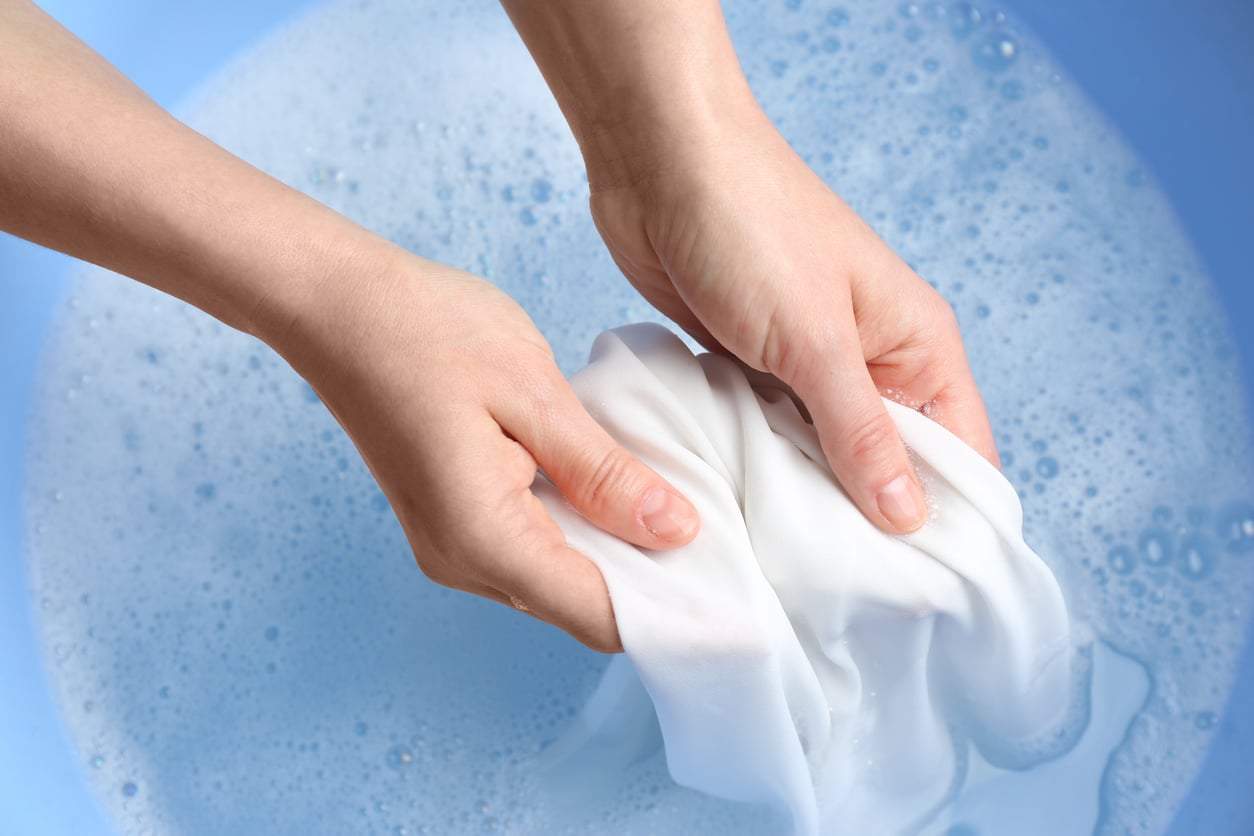
Many swear by cold water washing—it saves energy, is gentle on fabrics, and most detergents today are optimized for it. But here’s a key point we don’t talk about enough: hygiene.
Cleaning expert Ken Doty shared with Southern Living that some garments and textiles simply don’t get properly clean in cold water. In these cases, warm or hot water isn’t just more effective—it’s often essential.
1. Heavily Soiled Clothes
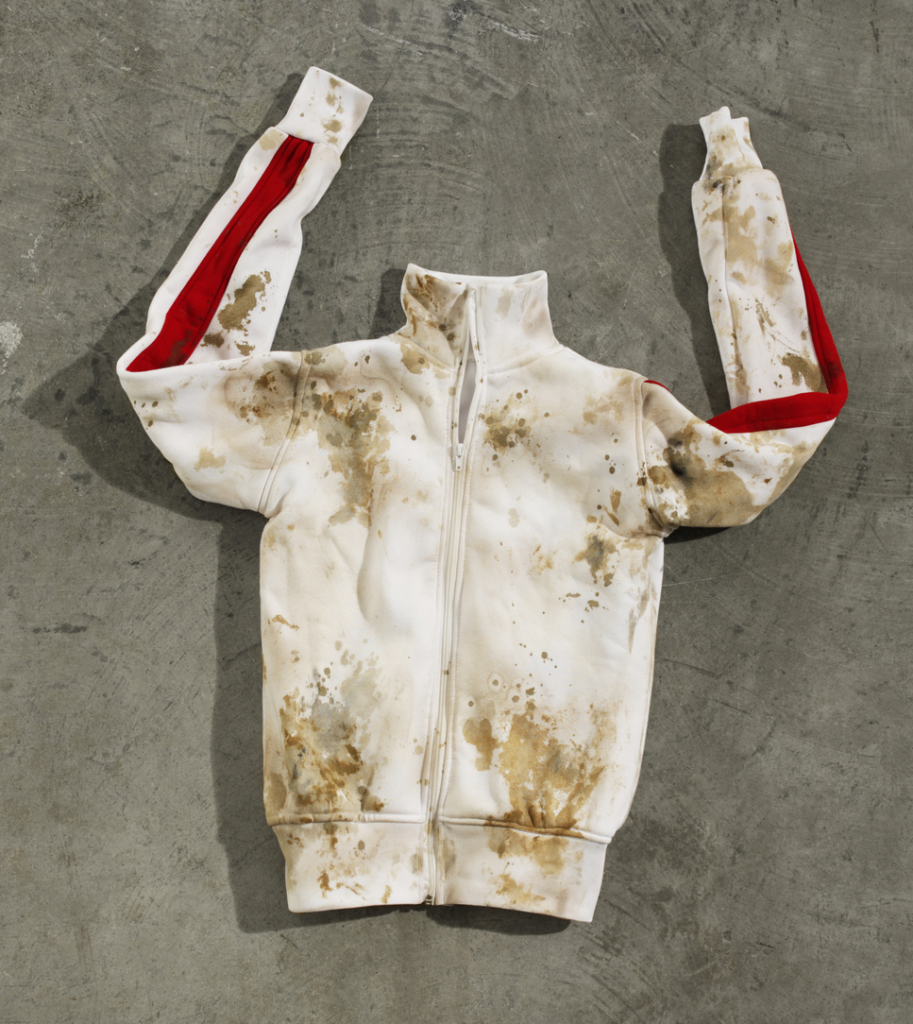
Muddy pants, sweat-soaked tops, oily or food-stained clothes—these are the kinds of items where cold water often falls short. Doty explains that detergent ingredients don’t activate properly at low temperatures, leaving dirt and grease trapped in the fibers.
Warm or hot water loosens grime and helps your detergent truly do its job. When you want more than just a fresh scent—when you want real cleanliness—these clothes usually benefit from a higher temperature wash.
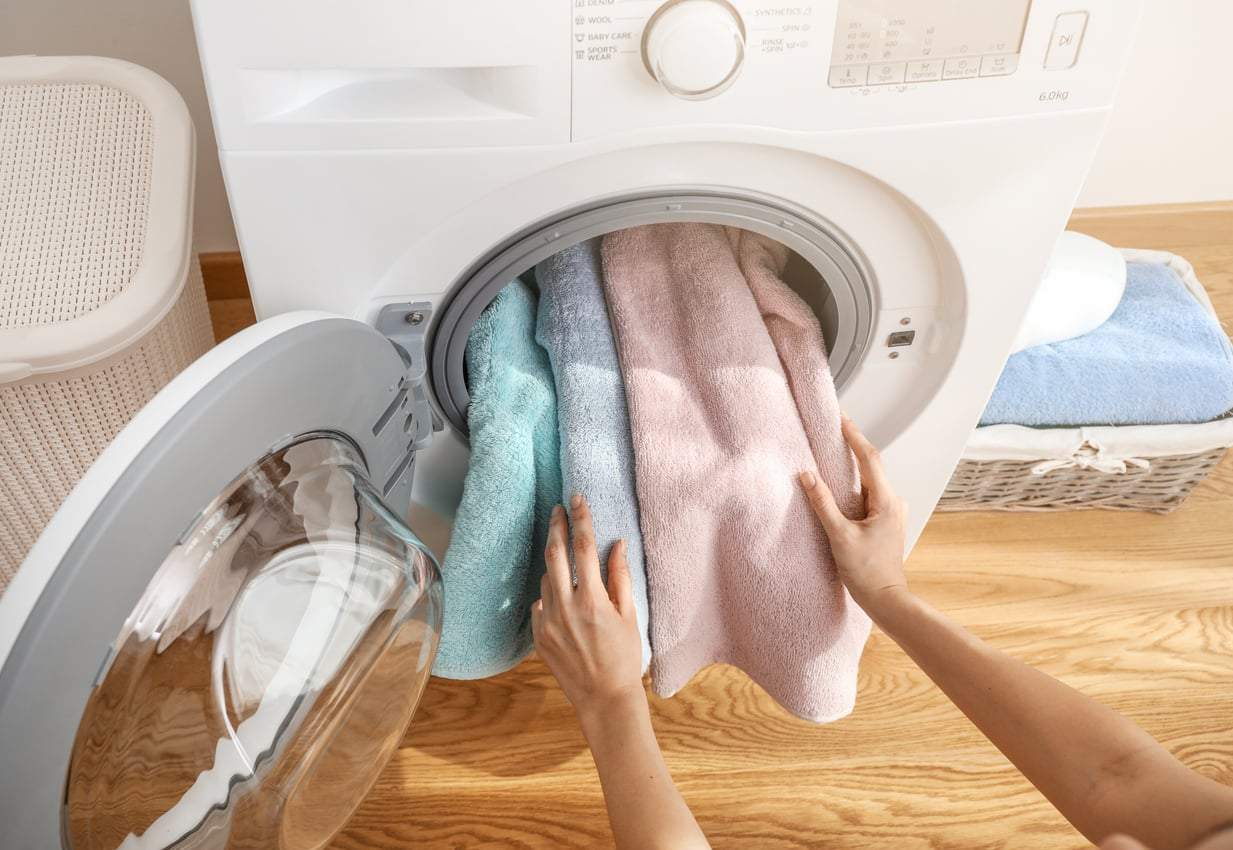
2. Towels and Bed Linens
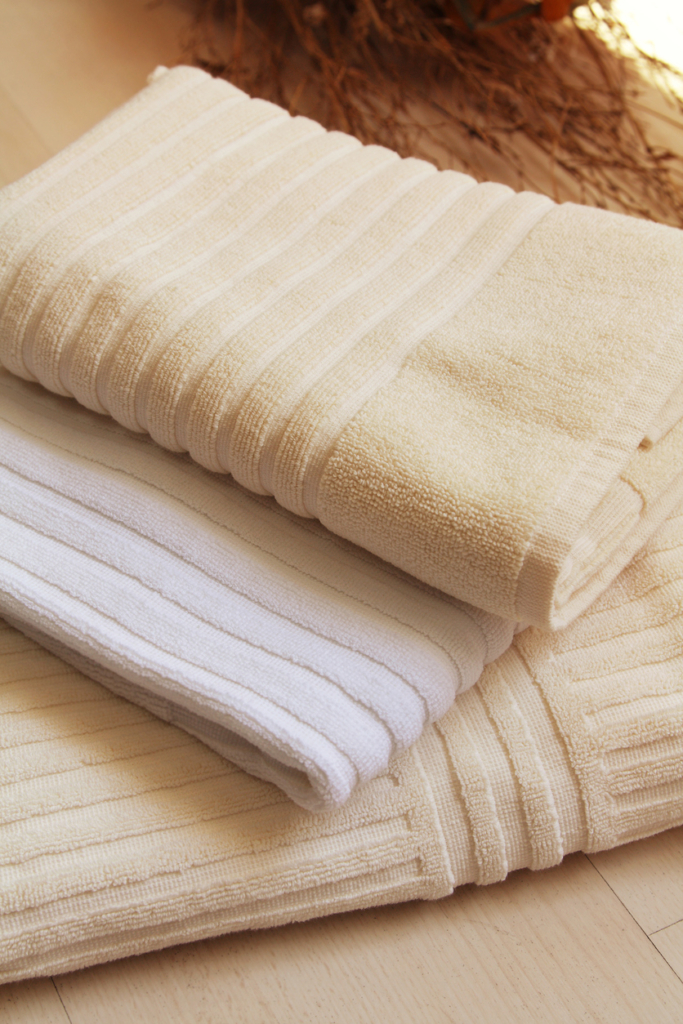
Few textiles get as much daily use as towels and bed linens. They’re in constant contact with our skin, soaking up sweat, moisture, and dead skin cells—creating the perfect home for bacteria and dust mites.
While cold water washing is often praised for saving energy, Doty recommends warm or hot water for these items. This is especially true for new towels and linens, where proper disinfection from the very first wash is key.
3. Textiles Used During Illness

When you’re dealing with a cold, the flu, or any contagious illness, washing isn’t just routine—it’s prevention. Doty stresses that clothes, towels, and bed linens exposed to illness shouldn’t be washed in cold water.
Cold cycles don’t guarantee the elimination of germs, while warm or hot water helps stop bacteria and viruses from spreading around your home.
4. White and Light-Colored Clothes

White tees, shirts, and light-colored clothes are especially sensitive to improper washing. Cold water can cause dulling, and stains may embed unnoticed into the fabric.
Doty says light textiles really shine when washed in warm or hot water because dirt breaks down more easily. If you’re worried about fading, medium heat is a great middle ground: it cleans better while being gentler on fabrics.
5. Knitted and Synthetic Fabrics
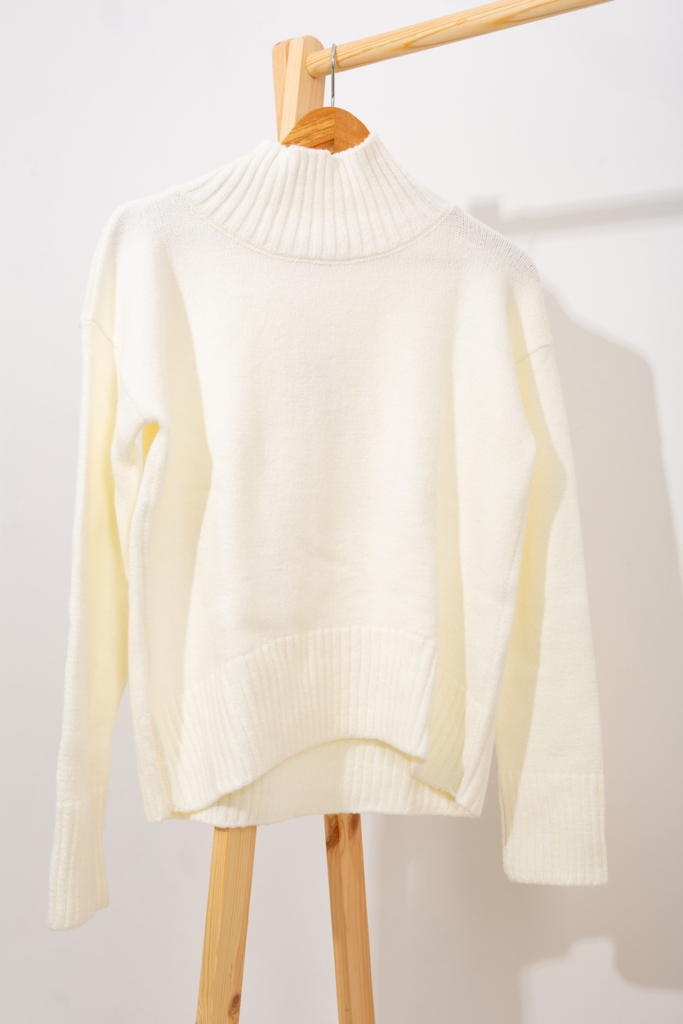
It might surprise you, but the expert says certain knitted and synthetic fabrics don’t do well with cold water washing. Detergent doesn’t dissolve fully, leaving residue between fibers and making clothes feel less clean after washing.
Moderately warm water helps loosen dirt and cleans these fabrics more effectively—always following the manufacturer’s care instructions, of course.
What to Always Keep in Mind
Cold water washing is often practical and eco-friendly, but it’s not a one-size-fits-all miracle. Doty reminds us that for real cleanliness, hygiene, and freshness, warm or hot water is definitely worth choosing for certain clothes.
The golden rule is still to read the care labels and adjust the washing temperature to each item—especially when dealing with heavy stains, light colors, or textiles used during illness.