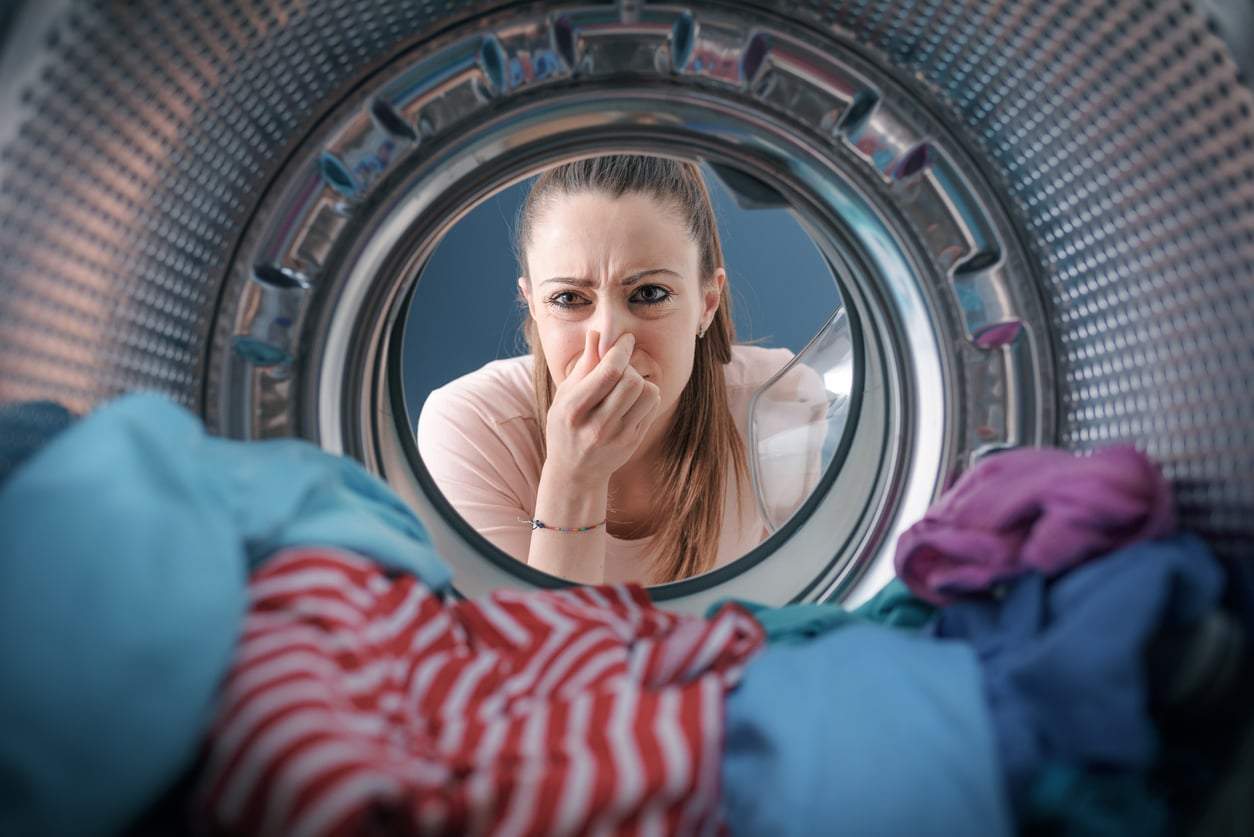
Fabric softener is a staple in most households. It leaves clothes smelling fresh, feels like a small luxury, and has become such a habit that most of us add it automatically to every single wash. But laundry experts say that's exactly where things can go wrong. Certain fabrics and items actually react badly to fabric softener — and over time, using it on them does far more harm than good.
It's not just about the feel or smell. The original function of these items can be permanently compromised, which is especially frustrating when it's something you rely on every day. The truth is, fabric softener is not a universal solution — and in some cases, skipping it entirely is the smarter choice. Here are three categories where experts unanimously agree you should leave it out of the equation.
Towels
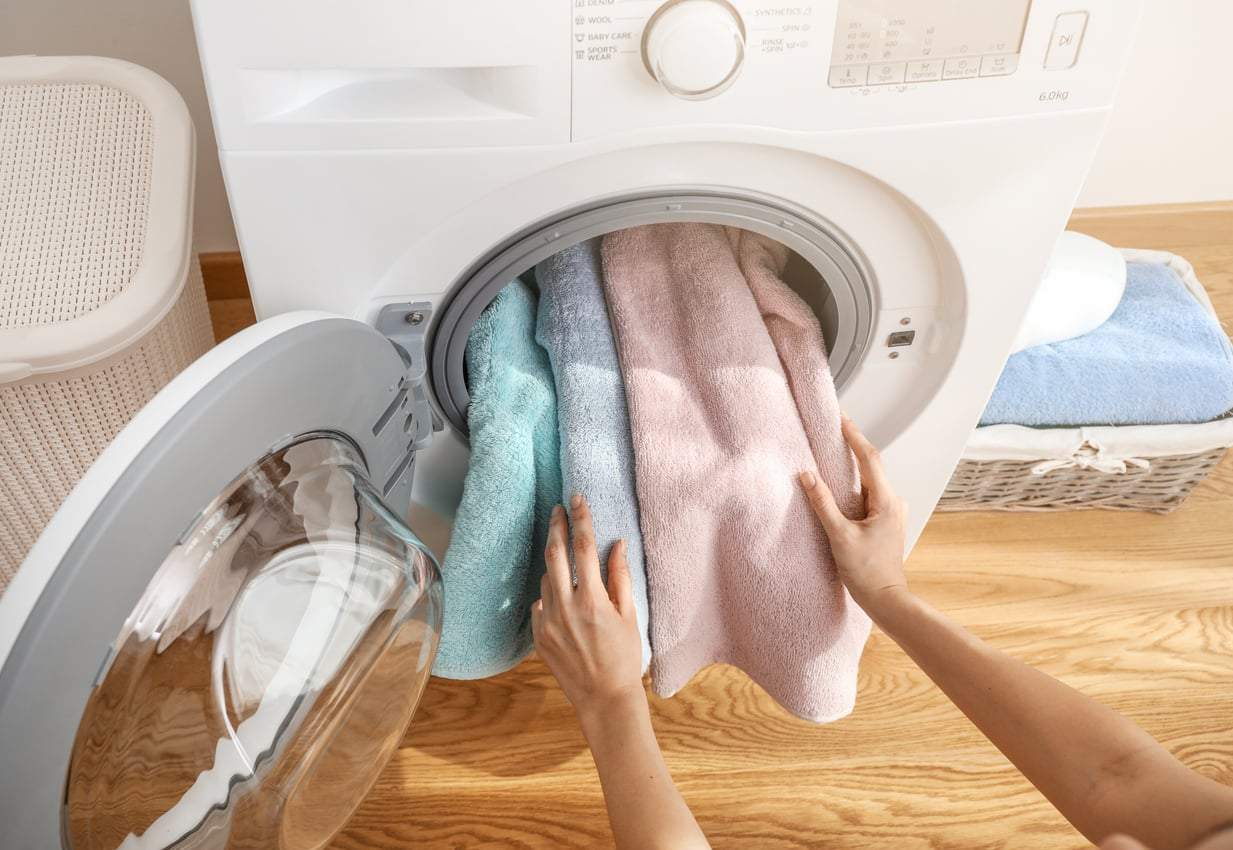
This one surprises a lot of people, but using fabric softener on towels is one of the most common laundry mistakes people make. Yes, it makes them feel softer and fluffier straight out of the dryer — but there's a real trade-off. Fabric softener leaves a thin, waxy coating on the fibres that prevents the fabric from absorbing moisture properly. In other words, your towel ends up pushing water around your skin rather than actually drying you off.
Over time, you may also notice that towels start to smell musty more quickly. That coating traps residue in the fibres and stops them from breathing and rinsing clean properly. Experts recommend swapping fabric softener for a small splash of white vinegar in the softener compartment instead. It breaks down buildup, restores absorbency, and keeps towels genuinely fresh — without any waxy residue left behind.
Sportswear and technical fabrics
Workout clothes are engineered to perform. They're designed to wick sweat away from your skin, dry quickly, and help regulate your body temperature during exercise. That performance comes from a microscopic fibre structure that allows the fabric to breathe. Fabric softener disrupts that structure entirely.
The result? Your activewear becomes less comfortable to wear, slower to dry, and more likely to hold onto odours — the exact opposite of what it's supposed to do. Many people notice that their gym gear starts to smell even after washing, and fabric softener is frequently the culprit. To keep technical clothing performing the way it was designed to, wash it without softener, on a gentle cycle, at a low temperature. Your kit will last longer and actually do its job.
Microfibre cloths
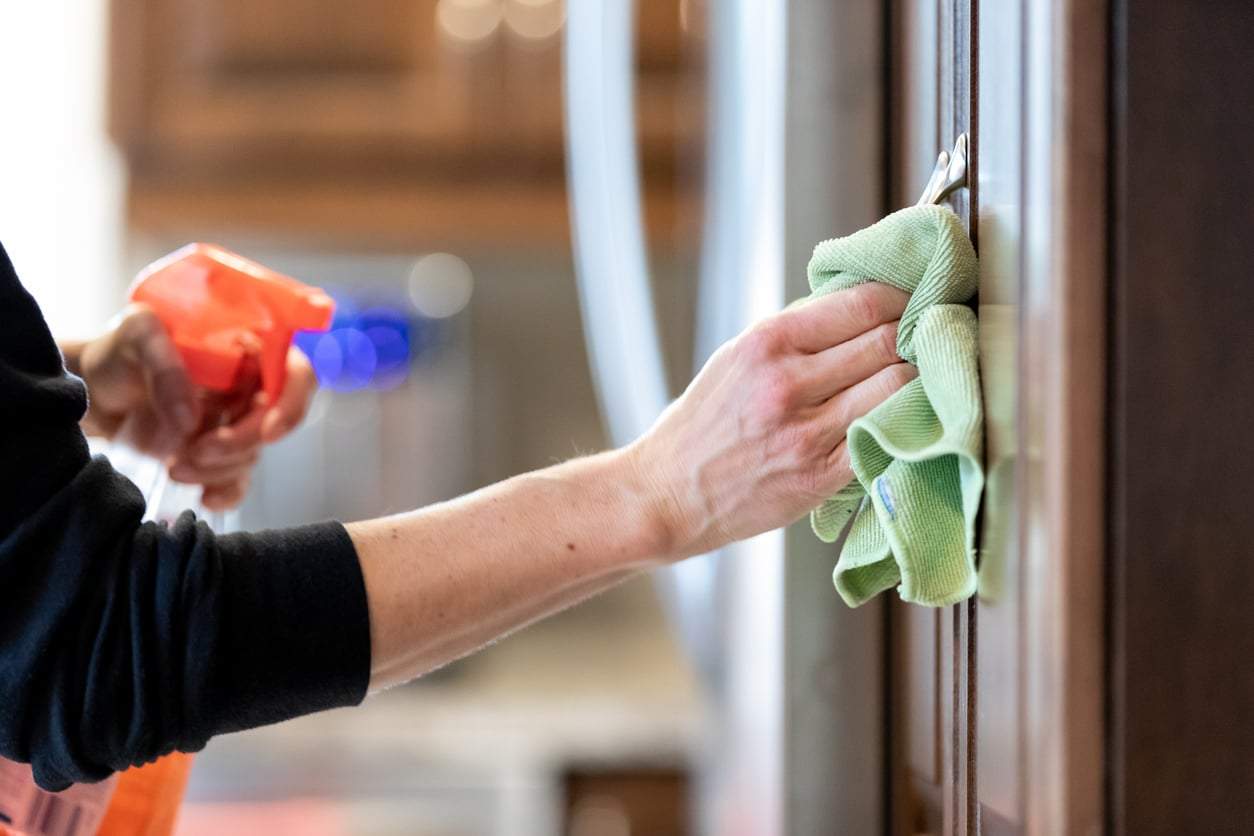
Microfibre cloths are remarkably effective cleaning tools — when they're treated correctly. Their unique fibre structure allows them to attract and trap dust, grease, and moisture without needing any chemical help. But that effectiveness is extremely sensitive to fabric softener. When you use it, a coating builds up over the microfibres and essentially seals them shut.
Once that happens, the cloths lose a significant amount of their cleaning power. They stop absorbing liquid as well, struggle to pick up dirt, and leave surfaces looking streaky rather than clean. If you've ever felt like your microfibre cloth just isn't doing much anymore, this is likely why. Experts are clear on this one: always wash microfibre cloths without fabric softener, and ideally separately from other laundry, to preserve their performance wash after wash.
Laundry is full of small decisions that add up to a big difference over time. Fabric softener isn't inherently bad — it has its place — but knowing when to use it and when to leave it out is what separates good laundry habits from ones that quietly wear your favourite things down. Follow these simple guidelines and you'll find that your towels actually dry you, your sportswear actually performs, and your cleaning cloths actually clean. Sometimes the best thing you can do is simply step back and let your textiles do what they were made to do.